
 Doc Summary

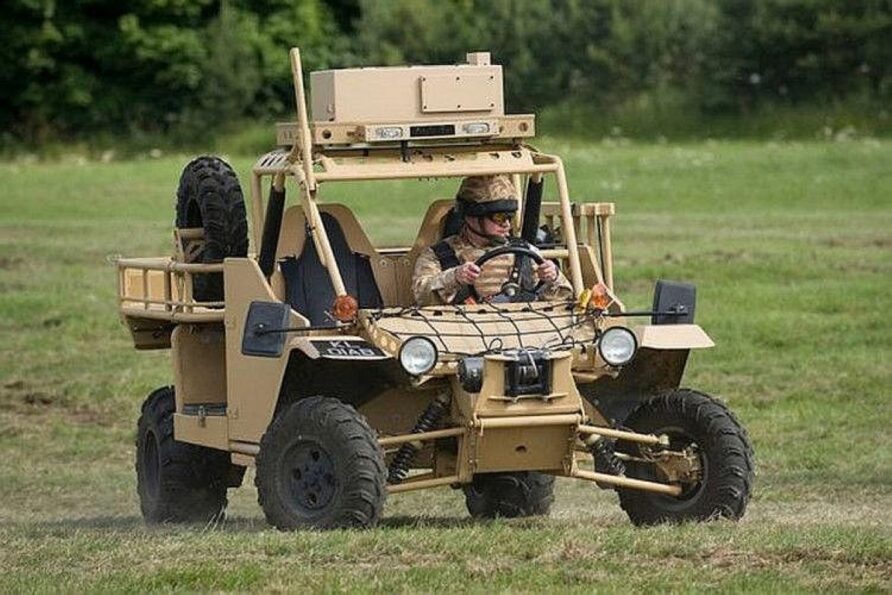
Springer was a short-lived British Army all-terrain vehicle introduced under an Urgent Operational Requirement to support operations in Afghanistan.
It was designed to transport up to one tonne of supplies from helicopter landing zones to forward operating bases.
Springer was a rugged, diesel-powered 4×2 all-terrain vehicle capable of carrying a one-tonne payload in challenging environments.
This article explores the vehicle’s development based on the Tomcar platform, its key features including self-loading capability and light armour, rapid procurement and deployment in 2009-2010,
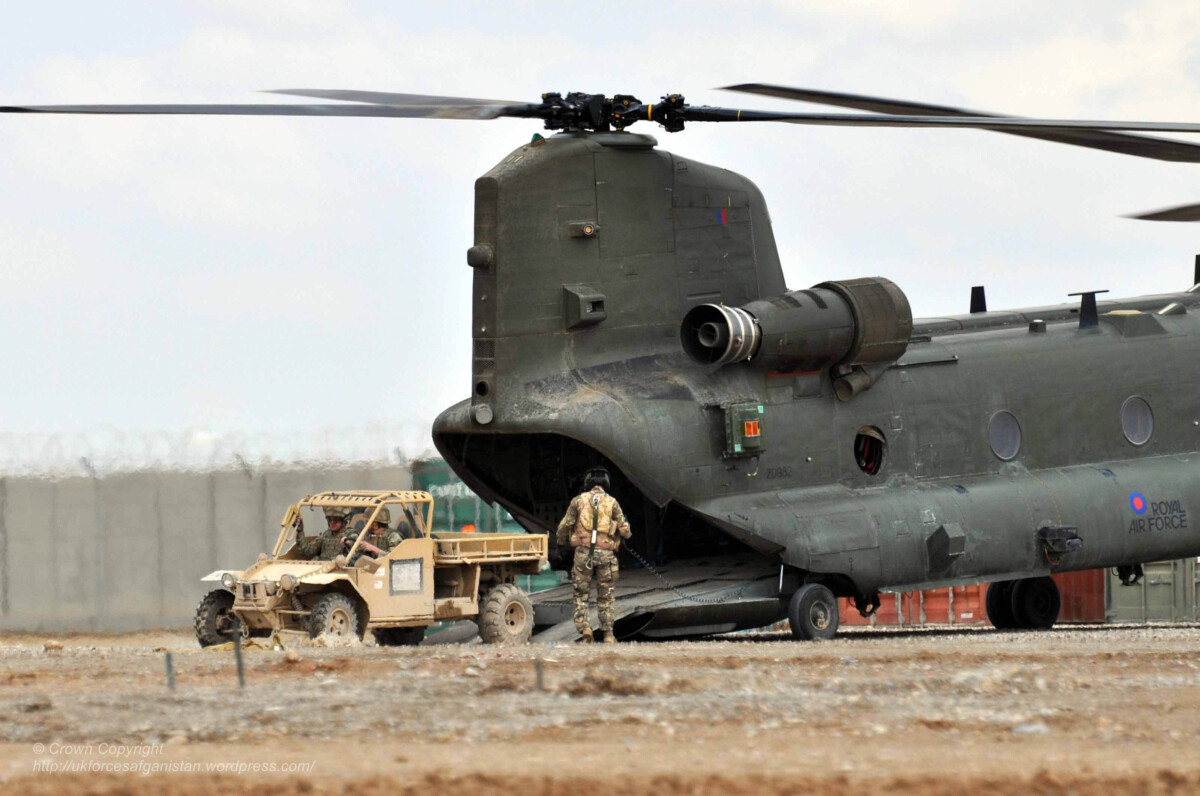
Operational challenges led to its swift withdrawal by 2011.
Springer Development #
In Afghanistan, Supacat ATMP vehicle were used to support C-IED efforts, Apache Attack Helicopter refuelling points and in their traditional logistics role, but due to reliability issues, they were withdrawn.
The MoD then considered further options for the Land Force’s Load-carrying Platform capability, and it was judged that a quad bike and trailer did not have the payload to fulfil the role.
Several manufacturers were asked to ‘express an interest’ including…
Roush (Balter 2)
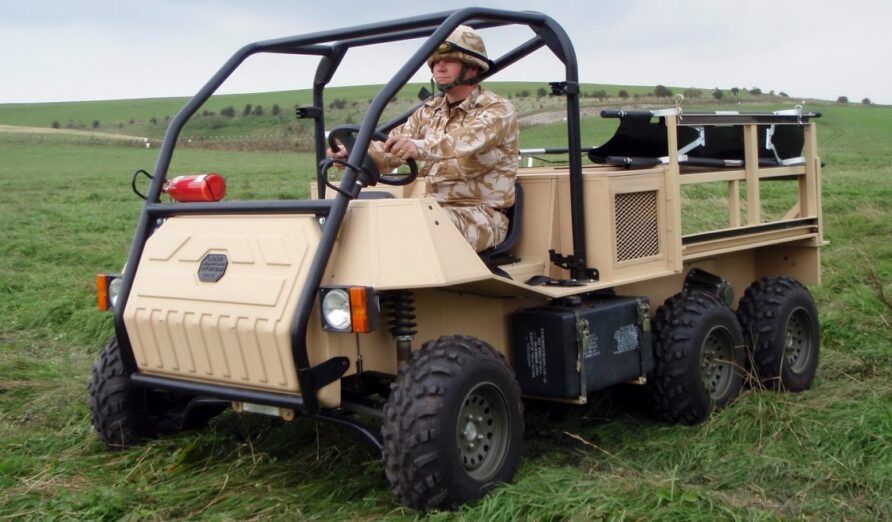
Development Engineering and Enterprise Limited (WVL-C6-AS)
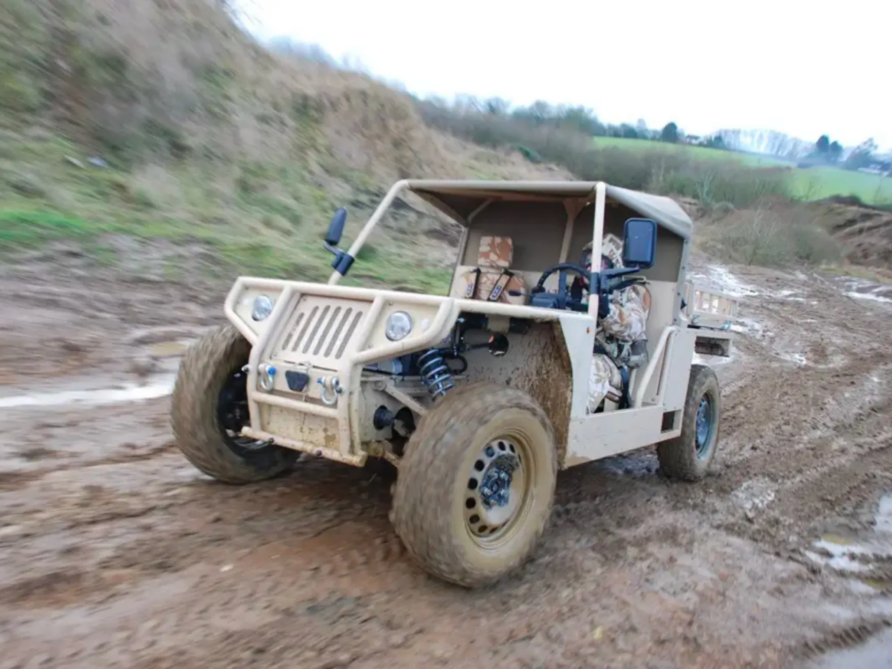
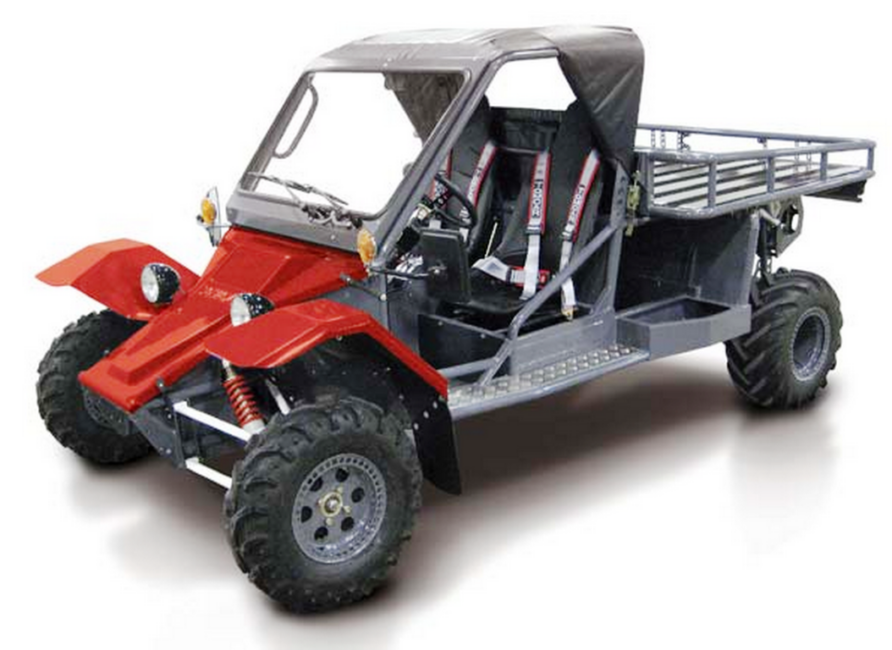
Enhanced Protection Systems UK Limited (Tomcar TN5)
John Deere, Yamaha Corporation, Honda Motor Company Limited and JC Bamford Excavators Limited declined to bid.
In April 2009, Enhanced Protection System was awarded the contract for 78 Springer vehicles at a total cost of £3 million, although other sources have that figure at £7 million.
A Tomcar magazine article stated;
The company’s Business Development Director, John Stoddart, who had just returned from a specialist training area in the Southwest where he had been involved in a driver instructor programme. As a former soldier with 35 years under his belt, first as an infantryman and then commissioned REME, who served out the closing years of his armed forces career in Defence Procurement, there can be few better qualified than Stoddart to carry out this urgent operational requirement through from drawing board to frontline deployment
In what was an interesting turn of phrase, Dr Andrew Tyler (Chief Operating Officer for the MoD’s Defence Equipment & Support) stated;
The Springer dune buggy will be an added capability for the troops
The article went on to state;
EPS, which is primarily known for its supply of ballistic protection to the UK MoD but is also a key supplier in the UAV scene had doubled its workforce to cope and subcontracted out some of the work. In its current configuration Springer is fitted with a 1400cc Lombardini diesel engine although larger options are available.
Taking a quote from the MoD’s website
Lack of armour is a benefit. Armour would be paid for with impaired versatility. In any case, Springer’s main purpose is to carry casualties and cargo between relatively safe helipads and base facilities.
Driver training was established at Leconfield and in Germany.
Springer Service in Afghanistan #
The delivery of 29 Springer vehicles into Afghanistan started in July 2009 and ended with the last batch, consisting of 2 Springer vehicles, received in Afghanistan in July 2010.
Transportation of the Springer vehicles, to and from Afghanistan, was via land and sea. The balance of the fleet was used for training and development purposes.
In September 2009, the Sun reported problems with the Springer fleet that had emerged during initial driver training.
And to add to Mr Brown’s woes, fears have been raised over a £7million fleet of off-road Army vehicles set to be flown to Afghanistan next month. A military source said that despite being passed fit for use, there had been “real problems” with steering during testing of the Springer vehicle. The concern over the 40mph Springer buggies came during tests at the Defence School of Transport at Leconfield, Yorks. Seventy of the two-seater buggies have been bought to help transport casualties between helipads and bases.
One tester of the Springer said the vehicle needed bigger rear tyres and more power. And a senior military source told The Sun the teething problems were worrying.
He said: “We have a real problem with the Springer. This is meant to be a tough go-anywhere vehicle capable of high speed over rugged ground. To have steering columns damaged by a few bad bumps in Yorkshire is of some considerable concern.”
The MoD denied any problems, of course with an MoD spokesman telling the newspaper;
There have been no reports of problems with the vehicle. Springer has successfully passed its trials with the Army, has been declared fit for purpose and is going into service
The deployment continued.
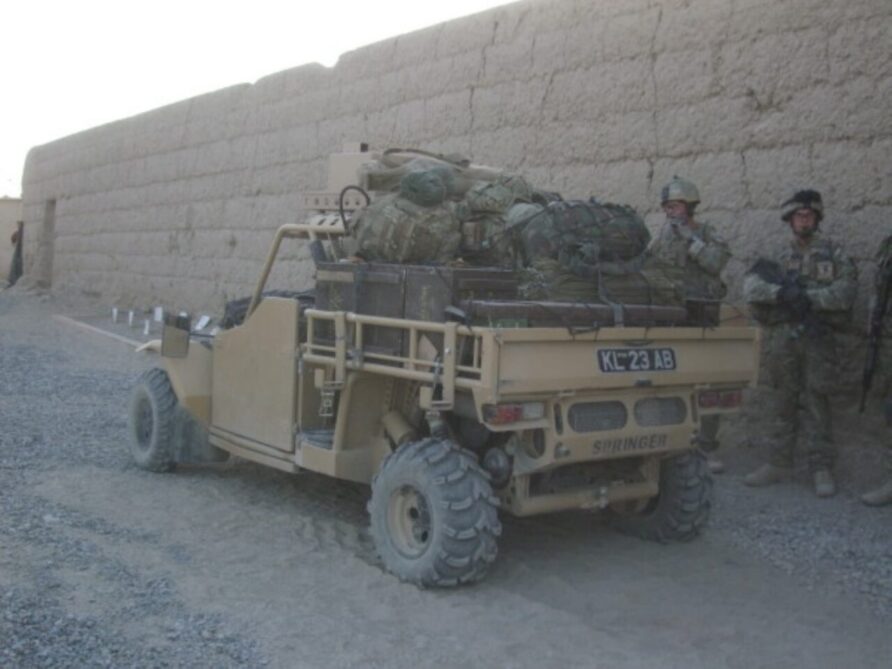
Jane’s also described a Springer 2 revision, retrofitted to existing vehicles as a result of operational experience, but these would not solve the fundamental problems.
Springer Withdrawal #
Springer was removed from service in March 2011, recovered from Afghanistan and declared out of service by September 2011.
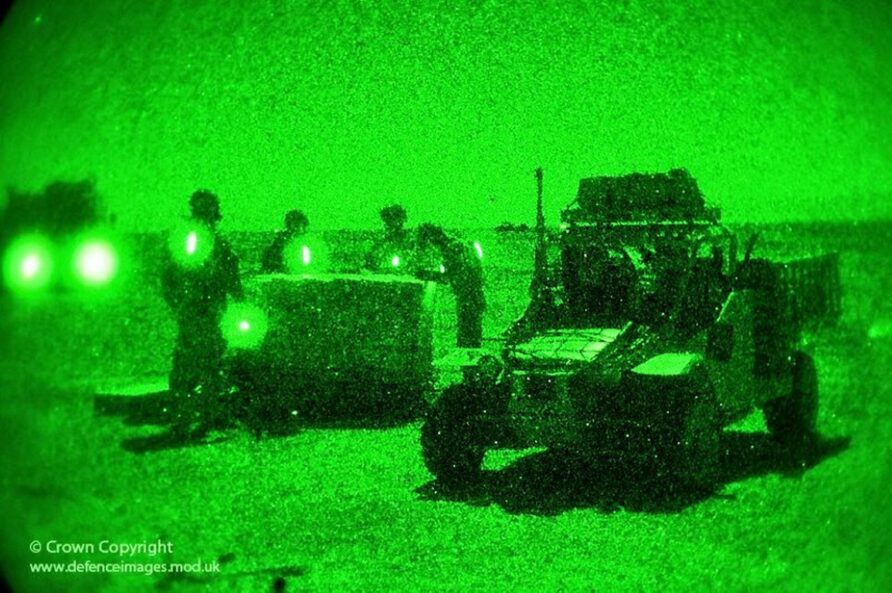
All 78 vehicles were sold to civilian users for about £7-10k each and for the rest of operations in Afghanistan, quads and trailers were used, despite the MoD judging they were unsuitable, the very reason for the Springer acquisition was initiated.
A rare UOR failure
If you found value in this article, help me keep Think Defence going.
Think Defence is a hobby, a serious hobby, but a hobby nonetheless. I have removed those annoying adverts, but hosting fees, software subscriptions and other services add up.
To help me keep the show on the road, I ask that you support the site in any way you can. It is hugely appreciated.
You can click on an affiliate link, Buy Me a Coffee at https://ko-fi.com/thinkdefence, download an e-book at https://payhip.com/thinkdefence or even get some TD merch at https://www.redbubble.com/people/source360/
Youtubers, if you are going to lift content from here, the decent thing to do would credit me


