
 Doc Summary

The Alvis 4 and 8 (often called Mamba) were mine protected vehicles developed for the British Army in the Balkans.
Alvis 4 and Alvis 8 History #
The British Army had for many years used protected patrol vehicles in Northern Ireland and had again developed and fielded a number of different types in response to changing threats.
This, from Colonel James Anderson in the late nineties
The biggest threat to the Army’s mobility – in war and operations other than war – is landmines. Hence, the most important programmes are now counter-mines programmes. This represents a considerable challenge. Of particular concern is trying to shift the balance of the overall programme without upsetting existing capabilities or distorting them too far.
Operations in the Balkans would also turn out to be influential on the protected mobility story.
The images below show the aftermath of a TMA3 mine strike on a Saxon in the hills above Rama Lake, Bosnia, in 1994.
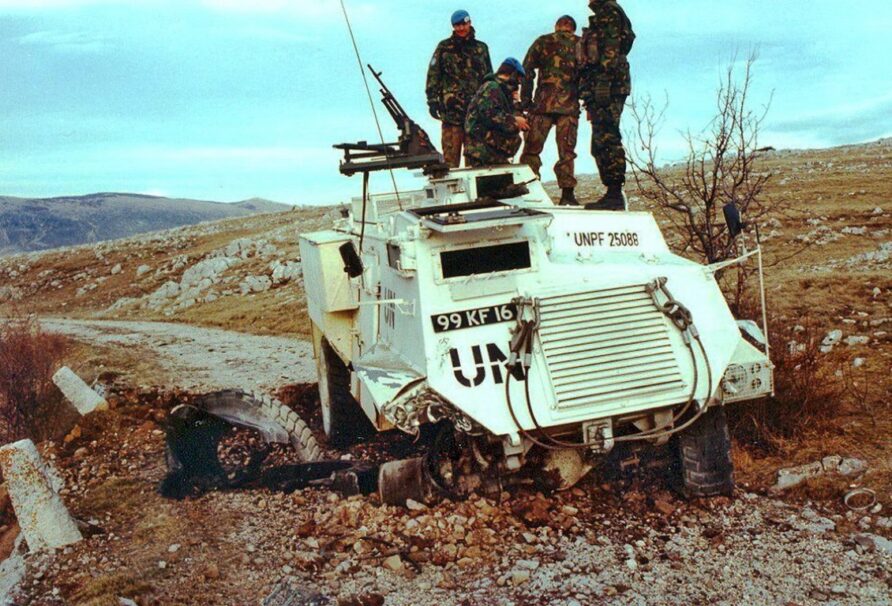
Mine strikes were a common occurrence and whilst all vehicles were as resistant as designed, the subject started to gain increasing attention.
The UK defence industry then started to get involved with South African manufacturers of mine-protected vehicles.
The Mamba 4×4 was a development of the earlier Mamba 4×2 that was created by Mechem, using the South African Army’s old Unimog 416 trucks as parts donors.
A production contract was awarded to Reumech with the basic design licensed from Mechem. Higher-strength steel and multiple design refinements had allowed the manufacturers to flatten the deep V that characterised the earlier vehicles and as a result, create a more practical layout.
The first Mamba 4 x4 prototype was tested in 1993.
In late 1993 two prototype vehicles were sent to Alvis in the UK, who had partnered with both Mechem and Reumech.
The two prototype vehicles were the Iron Eagle scout car and the first 4×4 version of the Mamba 2.9m wheelbase mine-protected vehicle.
Despite a number of problems with both vehicles, Alvis saw some potential and decided to develop them both further.
The Iron Eagle became the Alvis Acorn which then evolved into the Scarab, Scarab 2 and Scarab 3.
One of the key emerging requirements for SFOR was ordnance disposal and, in particular, route proving/clearance. Mines were used liberally by all belligerents.
After a successful trial of the Alvis 8 in 1994, the MoD requested a shorter wheelbase (2.4m) version and this was to become the Alvis 4.
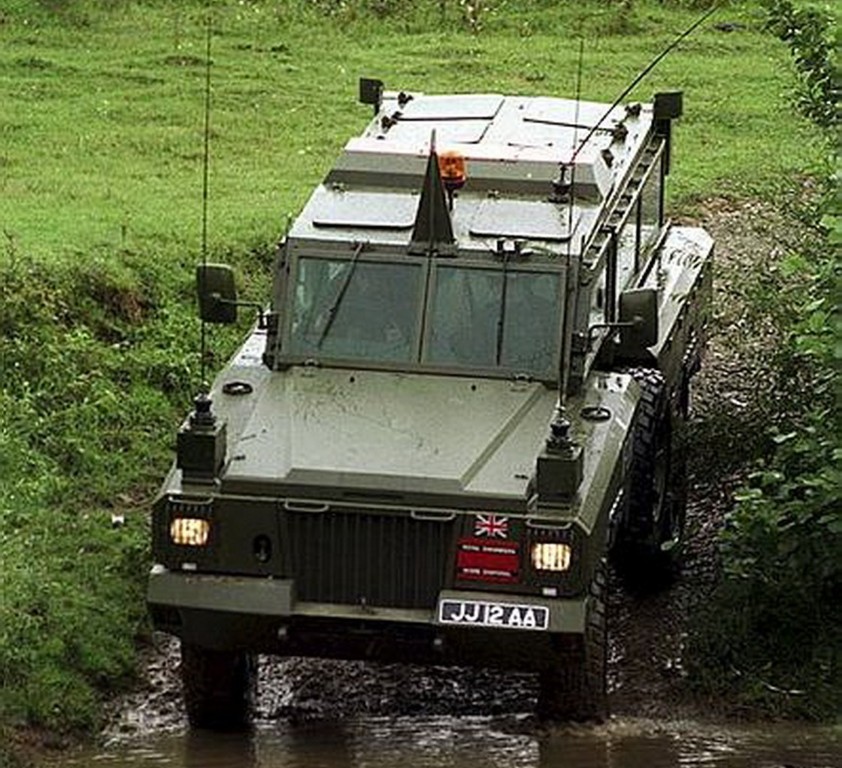
Because of time pressures, Alvis also loaned the MoD a number of Alvis 8’s, the longer wheelbase version with the old-fashioned running gear, so there were both versions in theatre.
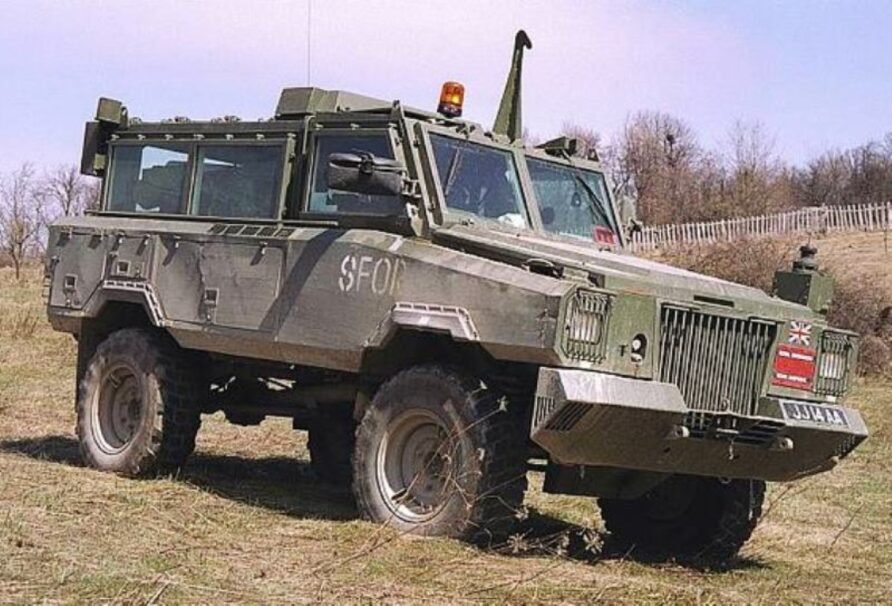
In 1996 three Alvis 4s were procured for operations in Macedonia.
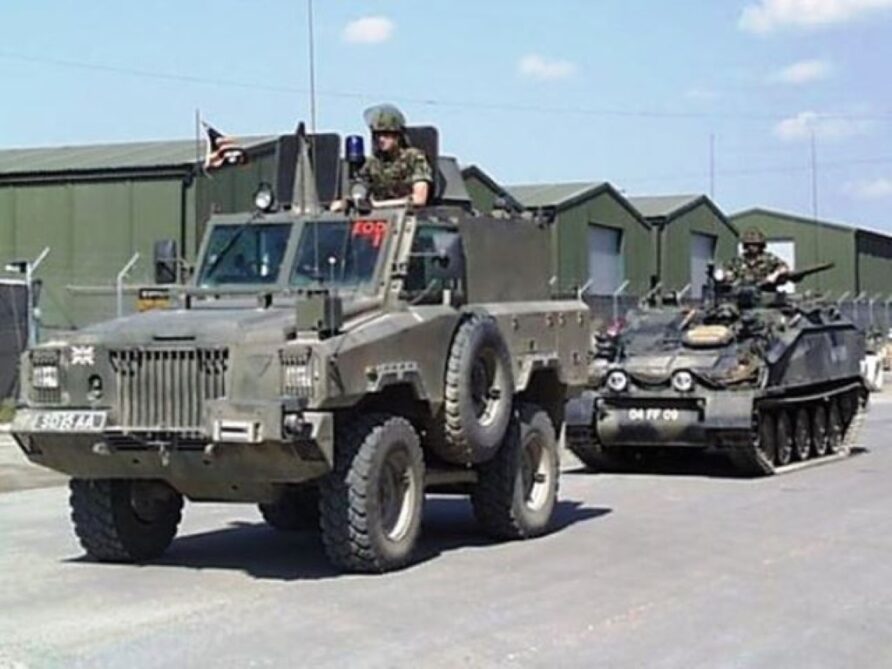
Both the Alvis 4 and Alvis 8 were commonly called Mambas.
The Alvis 4 had a number of modifications including an armour plate to defeat the TMRP 6 mine, stretcher lashing points, and Clansman radio wiring and battery charging systems. The original requirement was for a vehicle that could extract casualties from vehicles that had detonated mines, although they would, eventually, also be used in the route proving role.
Six vehicles were deployed to the Balkans in 1996 for use by the Royal Engineers, costing £1.2 million in total.
The Alvis 4 and 8 vehicles were a success in their primary role, however, the harsh climate and terrain of the Balkans, and the extra weight imposed by additional armour and old-fashioned mechanicals, exposed a number of reliability and safety limitations, so they were withdrawn from service.
Their replacement was not for patrolling, but specific use in high threat areas by the Royal Engineers.
This would eventually go on to become the Tempest Mine Protected Vehicle (MPV)
By the end of 2003, the Alvis 4’s were sent for disposal.
Export and Resale #
9 went to the Estonian armed forces, 4 to a US Security company (Blackwater) and 1 to Singapore.
Total sale value for all 14 obtained by the MoD across multiple batches was £448,000.
Blackwater used theirs for personnel transfer in Iraq.
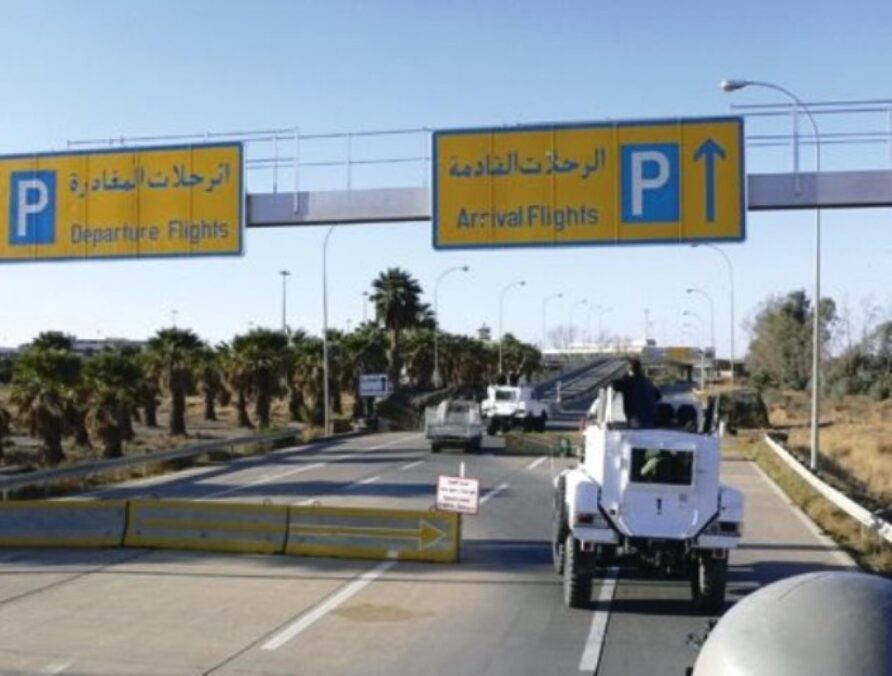
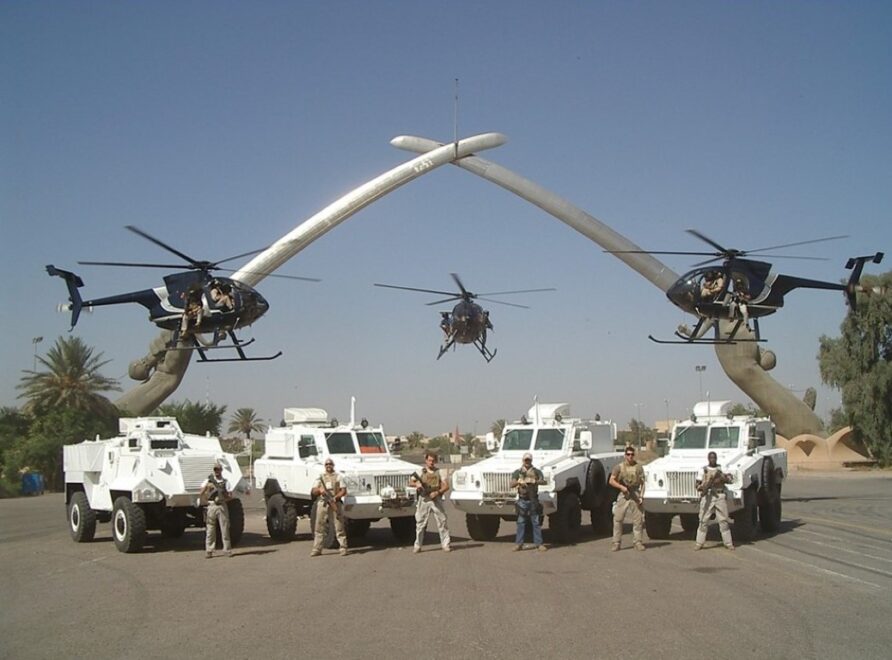
And Estonia eventually deployed them to Afghanistan.
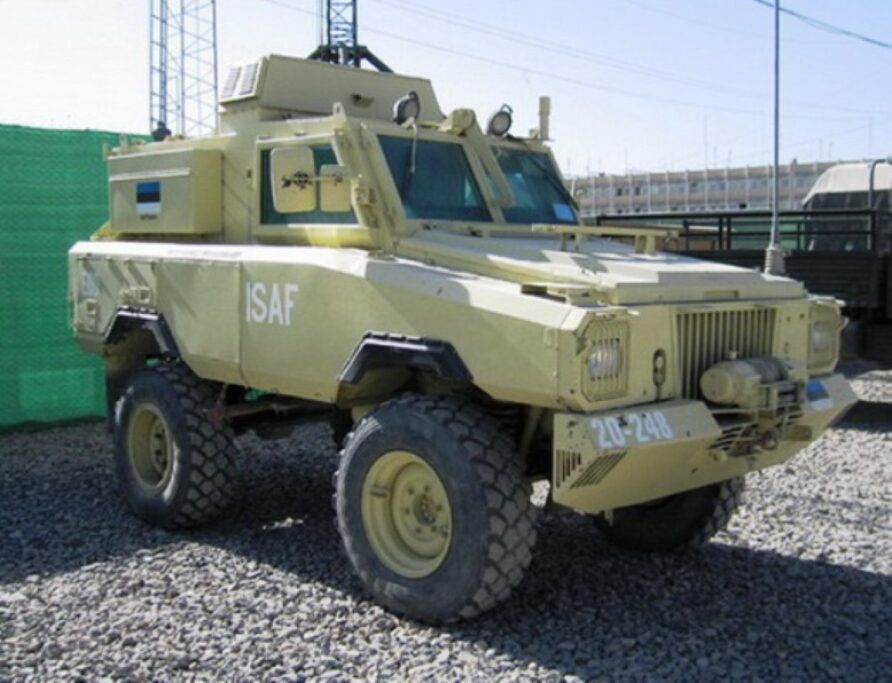
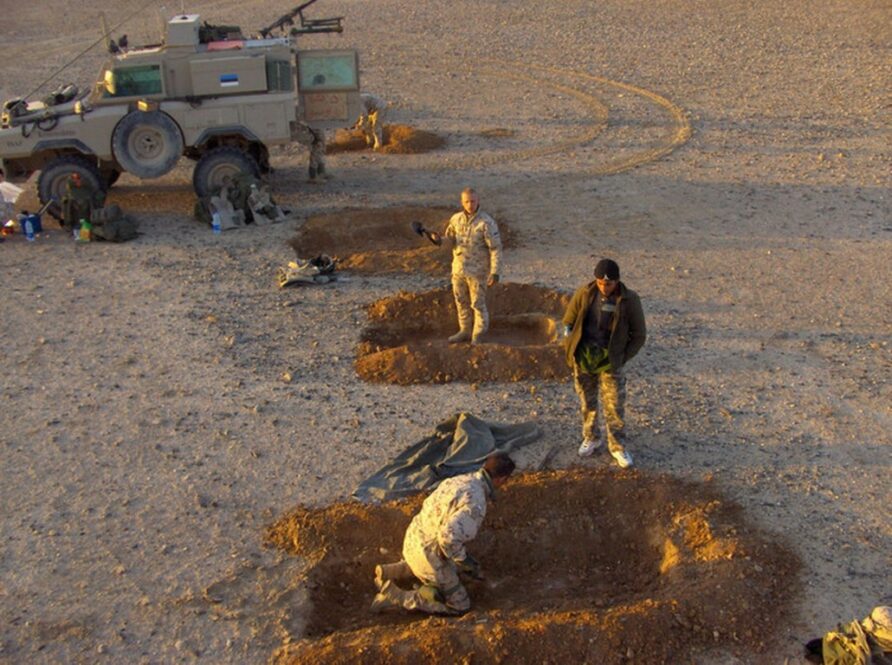
They were mostly used for medical evacuation, shown in the video below alongside British forces with Land Rover W-MIK and Pinzgauer vehicles.
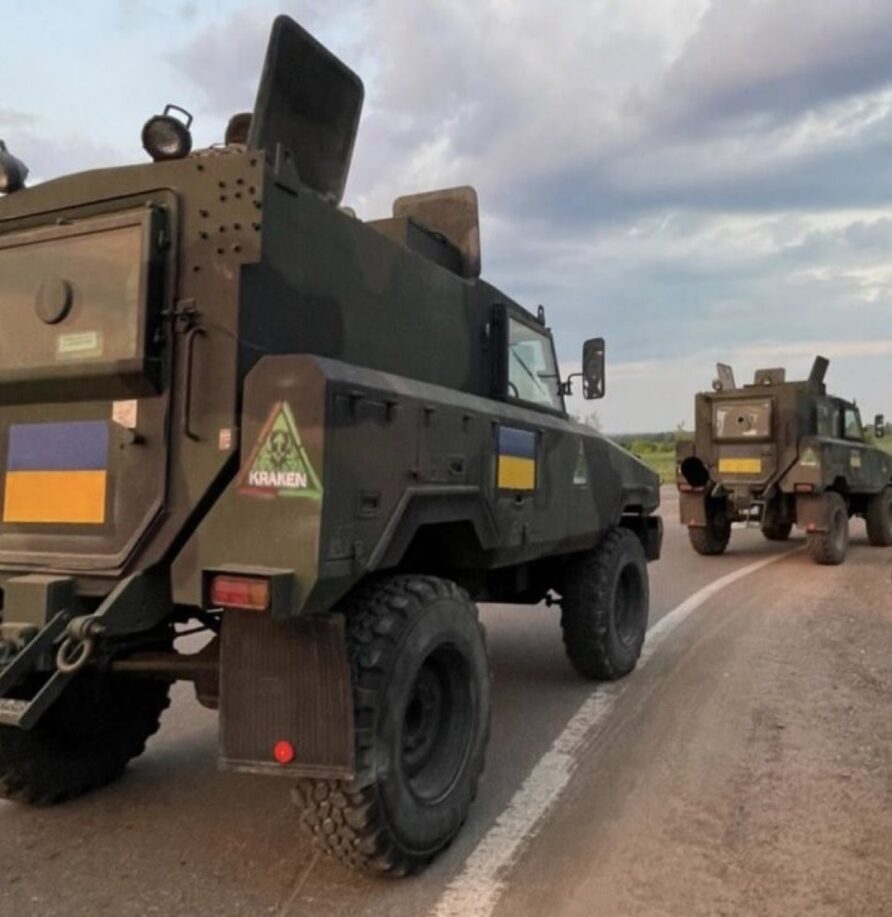
At least 7 of the Estonian vehicles were donated to Ukraine
Video
Specifications #
| Specification | Alvis 4 (Short Wheelbase) | Alvis 8 (Long Wheelbase) |
|---|---|---|
| Wheelbase | 2.4 m | 2.9 m |
| Overall Length | Not separately documented (est. shorter than standard) | 5.39–5.46 m |
| Width | 2.2–2.21 m (shared) | 2.2–2.21 m (shared) |
| Height | 2.43–2.5 m (shared) | 2.43–2.5 m (shared) |
| Combat Weight | 6.2–6.8 t (shared) | 6.2–6.8 t (shared) |
| Base Design | Mamba 4×4 (Unimog 416 chassis donor) | Mamba 4×4 (Unimog 416 chassis donor) |
| Engine | Mercedes-Benz OM 352 6-cyl diesel, 123 hp | Mercedes-Benz OM 352 6-cyl diesel, 123 hp |
| Transmission | 4-speed (Mk2) or 8-speed synchromesh (Mk3) | 4-speed (Mk2) or 8-speed synchromesh (Mk3) |
| Running Gear | Upgraded (standard for production Alvis 4) | Old-fashioned original Unimog (loaned trial vehicles) |
| Max Speed | 102 km/h (road) | 102 km/h (road) |
| Operational Range | 650–900 km (road) | 650–900 km (road) |
| Ground Clearance | ~410 mm (V-hull) | ~410 mm (V-hull) |
| Fording Depth | 1.0 m | 1.0 m |
| Crew / Capacity | Driver + route-proving / casualty-extraction role (up to 2+9 standard Mamba) | Same operational role |
| Protection | V-hull mine-protected (up to 7 kg TNT equivalent); ballistic 5.56×45 mm or 7.62×51 mm NATO | Same |
If you found value in this article, help me keep Think Defence going.
Think Defence is a hobby, a serious hobby, but a hobby nonetheless. I have removed those annoying adverts, but hosting fees, software subscriptions and other services add up.
To help me keep the show on the road, I ask that you support the site in any way you can. It is hugely appreciated.
You can click on an affiliate link, Buy Me a Coffee at https://ko-fi.com/thinkdefence, download an e-book at https://payhip.com/thinkdefence or even get some TD merch at https://www.redbubble.com/people/source360/
Youtubers, if you are going to lift content from here, the decent thing to do would credit me


