
 Doc Summary

The Future Family of Light Armoured Vehicles (FFLAV) programme was a major British Army initiative launched in 1988 to modernise and rationalise its ageing fleet of light and medium armoured vehicles.
Future Family of Light Armoured Vehicles (FFLAV) #
In 1988, FLAV then became FFLAV, the Future Family of Light Armoured Vehicles (FFLAV), with the goal of starting procurement in 1991.
FFLAV examined the vehicle fleet of the Army and arrived at the correct conclusion that there were too many types with overlapping roles. It was recommended that the equipment in service be consolidated through a more coherent approach. It included a wider range of roles and higher levels of protection for some vehicles, changing the weight classifications from FLAV.
As a result, FFLAV was believed to have the potential for over several thousand vehicles.
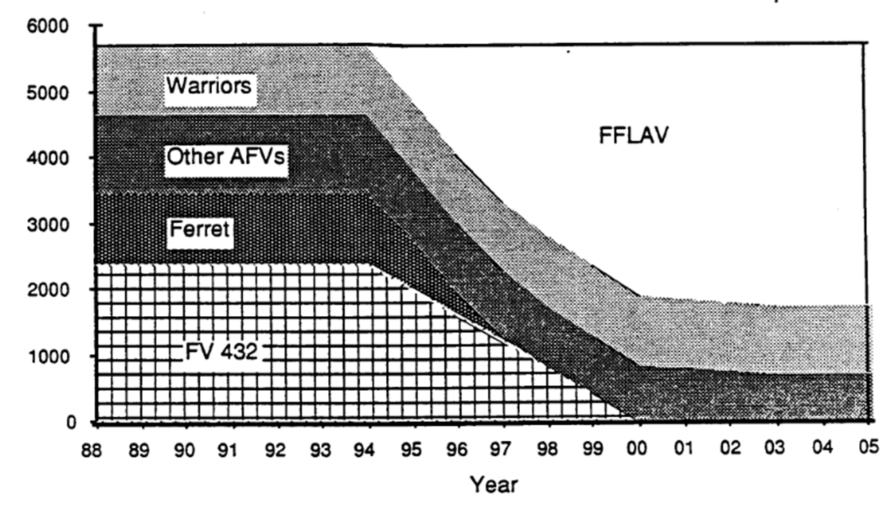
To say the market was excited would be an understatement, but then this happened.
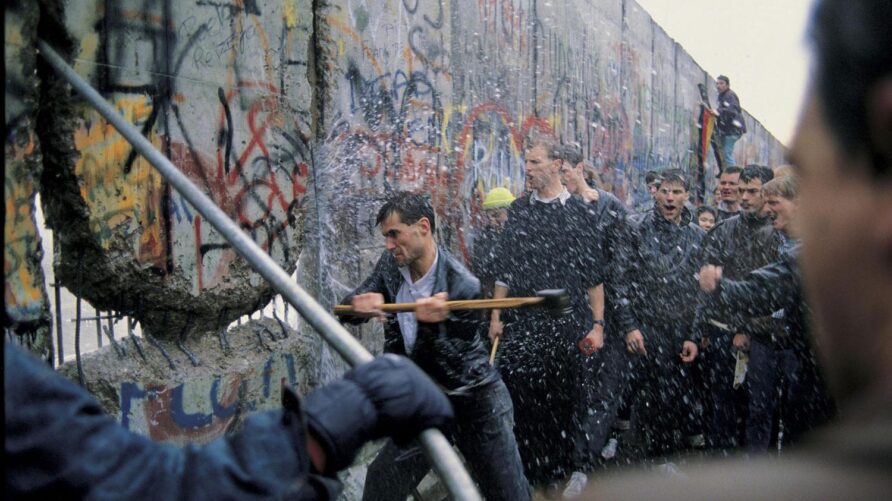
Regardless, the industry carried on.
Alvis #
Alvis, together with Hägglunds AB from Sweden, Panhard from France, and ENASA from Spain, suggested a range of vehicles with wheels and tracks with weights from 3.5 to 24 tonnes.
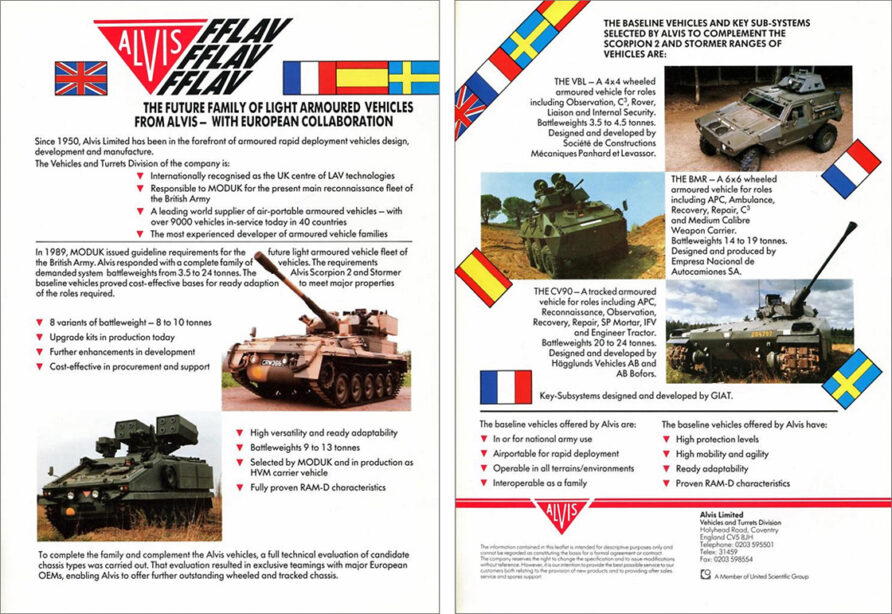
Alvis Stormer and CVR(T) would be further developed to fill the 8–10 tonnes and 9-13 tonnes weight classifications.
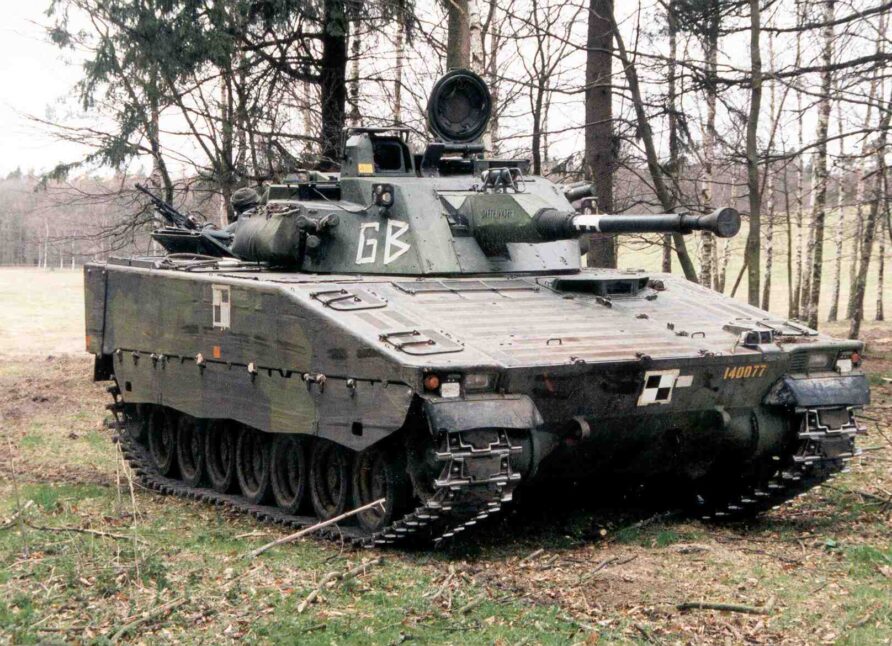
The 20–24 tonnes CV90 would be provided by Hägglunds for the Armoured Personnel Carrier (APC), reconnaissance, observation, recovery, repair, self-propelled mortar, infantry fighting vehicle and engineer tractor requirements.
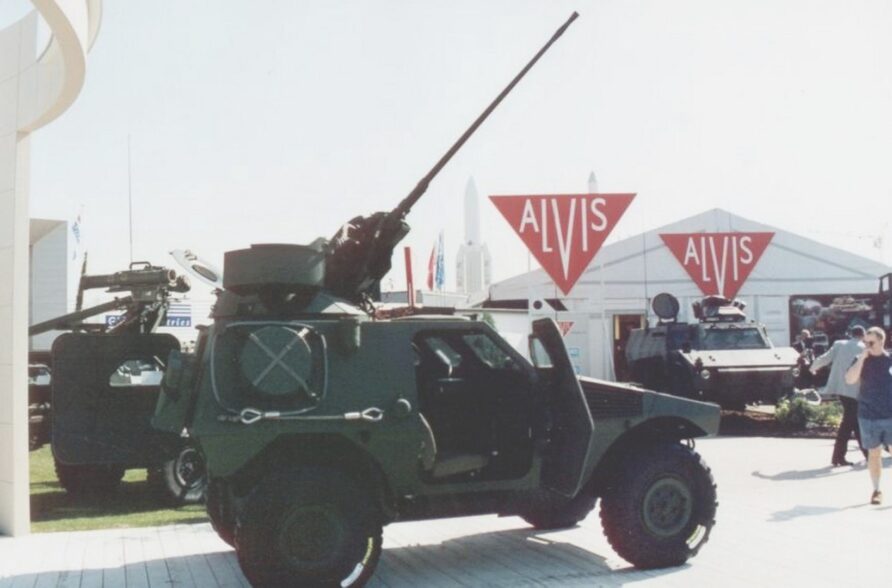
Instead of Ferret 80 in FLAV, Alvis teamed up with Panhard for the Véhicule Blindé Léger (VBL), for the Armoured Personnel Carrier (APC), Ambulance, Recovery, Repair, Command and Control, and Medium Calibre Weapon Carriers.
The 14-19 tonne wheeled requirements would be met by the ENASA (Empresa Nacional de Autocamiones S.A.) BMR-600.
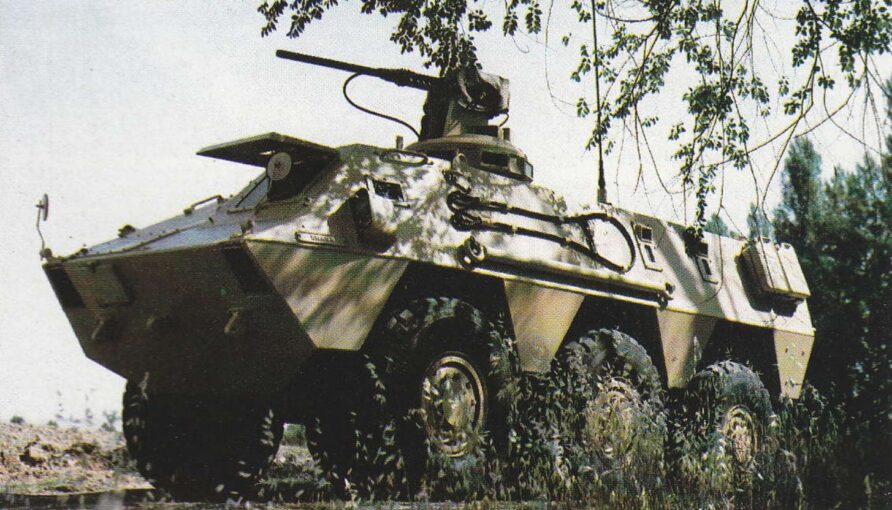
The BMR-600 (Blindado Medio Ruedas) came from a late seventies Spanish army requirement for an armoured vehicle in several variants including a 2+10 APC, ambulance, weapon carrier and repair/recovery vehicle.
GKN #
GKN partnered with Mowag of Switzerland to create the GKN Piranha. They eventually sold these to Oman and Saudi Arabia.
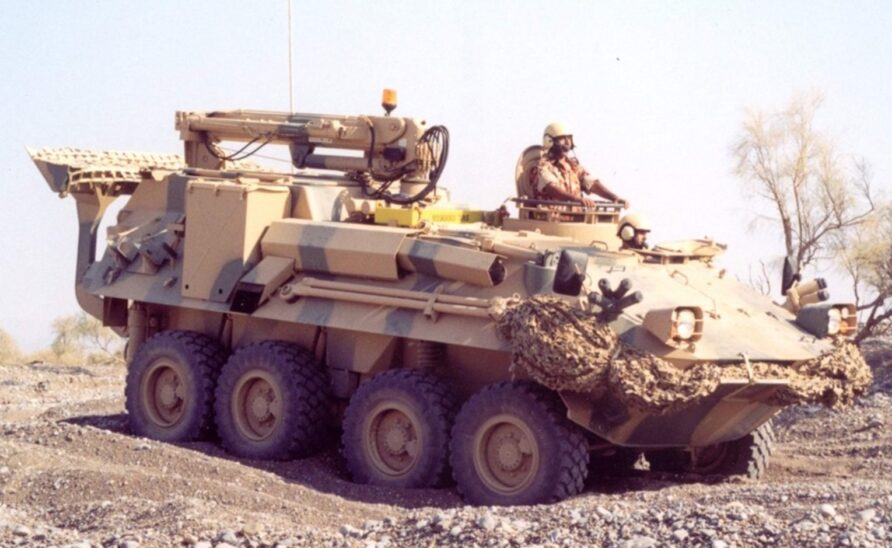
GKN’s Saxon and Simba vehicles met the lighter wheeled vehicle requirements.
As part of its proposal for the FFLAV competition, GKN developed a smaller Warrior, like the 5-roadwheel APC described below. This would eventually be more widely known as Warrior Reconnaissance as it developed further, although the correct term was Defence Reconnaissance Variant (DRV)
The first iteration featured a stabilised turret with an M-242 25 mm Bushmaster cannon and twin TOW ATGW launchers. The vehicle carried 500 rounds of ammunition for the cannon and an additional four TOW missiles in the rear compartment.
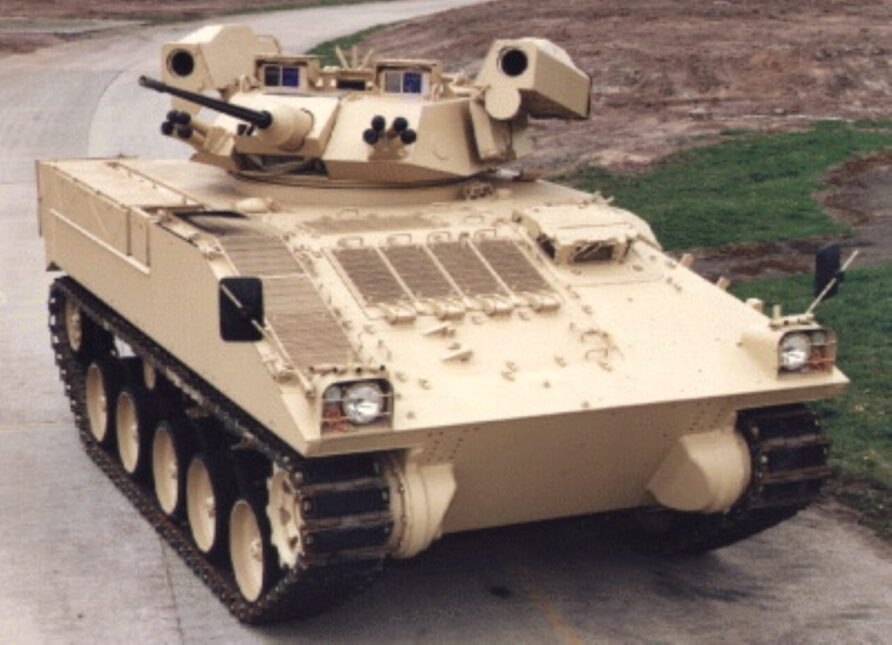
A later version featured new radar-absorbent appliqué panels and was equipped with an elevating sensor mast with a multispectral surveillance system utilising radar, thermal imaging, day/night sights and a laser rangefinder/target designator.
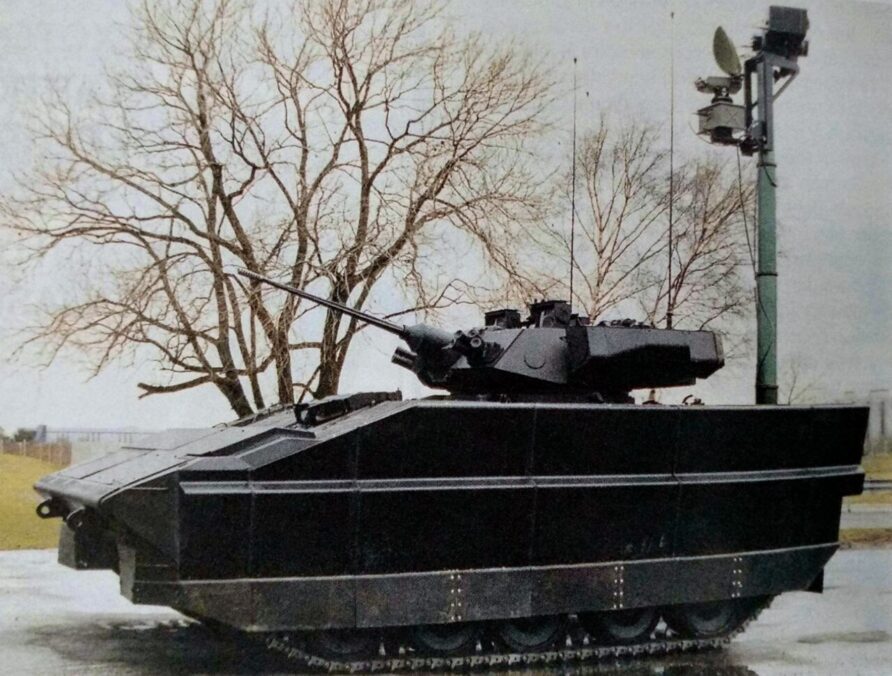
The reduction in size and payload over a normal Warrior, but retention of the same power plant, improved the power-to-weight ratio significantly. Additional communications equipment and an integrated sensor management system completed the specification.
Some of the work on Warrior DRV also spanned FFLAV and TRACER.
Warrior 2000 was subsequently suggested by GKN for the heavier tracked variants.
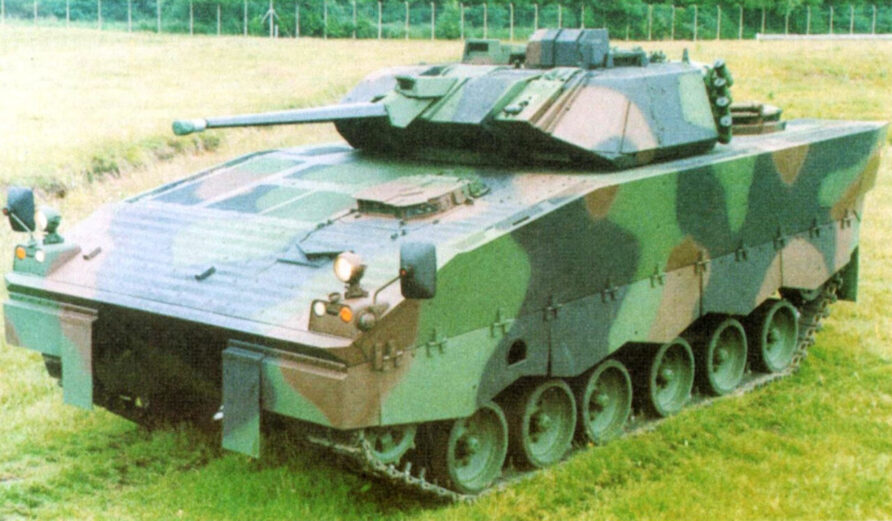
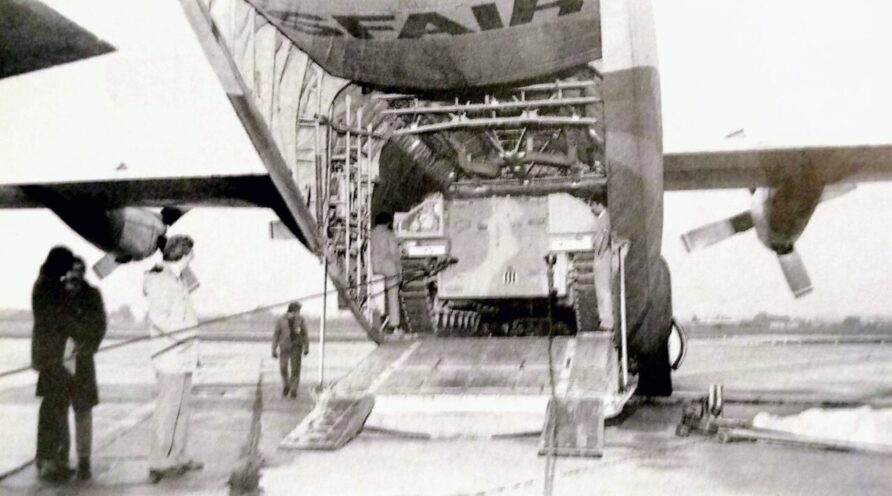
GKN previously created a smaller version of Warrior that was designed to be carried inside a C-130, called Warrior Low Profile. The designation for this version was LOVATT
It still had 6 road wheels, seen below with an ADATS fit.
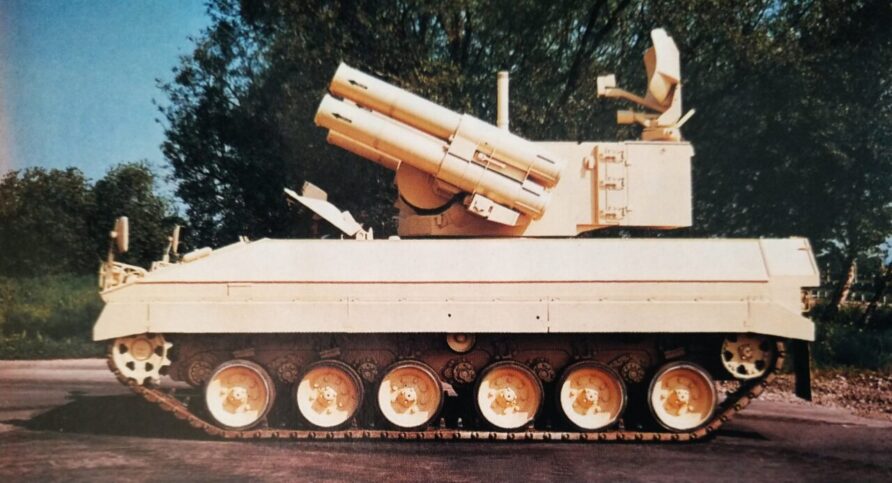
This was a strong proposition that would have resulted in high levels of commonality across the British Army’s tracked fighting vehicle fleet, it would be based almost entirely on Warrior.
Then this happened
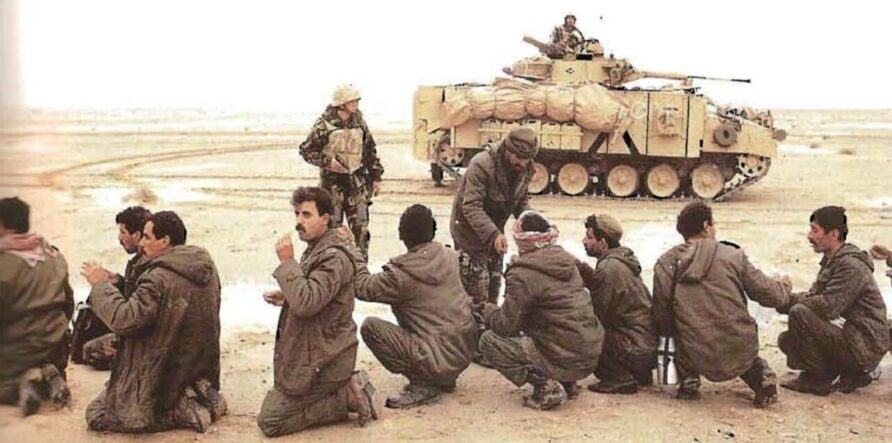
The 1991 Gulf War had shown that the legacy fleet had many shortcomings, especially the ageing FV432 and CVR(T) vehicle families.
Although there was recognition before the Gulf War that replacements were needed, operations in Kuwait and Iraq simply reinforced the basic requirements embodied in the FFLAV study.
Subsequently, FFLAV was cancelled, while CVR(T), Saxon, FV432 and others continued.
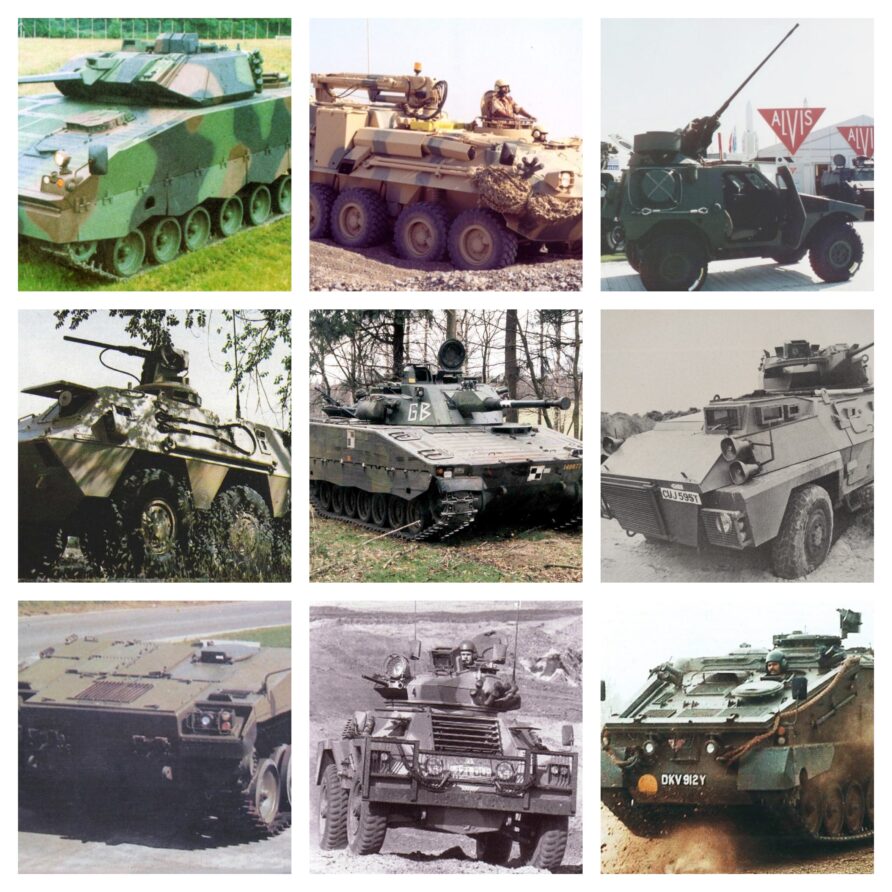
Below is a visual representation of the vehicles that were considered for FLAV and FFLAV, but all were rejected.
After FFLAV, a new Light Armoured Vehicle Strategy was endorsed that split the general requirements into four.
The reconnaissance element would be met with the Tactical Reconnaissance Armoured Combat Equipment Requirement (TRACER).
Protected mobility would be met with the Multi Base Armoured Vehicle (MBAV), with this in two parts. M1P1 would go on to become the Multi Role Armoured Vehicle MRAV (and eventually Boxer) and M2P2 would be described as the Armoured Battlegroup Support Vehicle (ABSV).
Finally, the command and liaison requirement would be met with the Future Command and Liaison Vehicle (FCLV)
If you found value in this article, help me keep Think Defence going.
Think Defence is a hobby, a serious hobby, but a hobby nonetheless. I have removed those annoying adverts, but hosting fees, software subscriptions and other services add up.
To help me keep the show on the road, I ask that you support the site in any way you can. It is hugely appreciated.
You can click on an affiliate link, Buy Me a Coffee at https://ko-fi.com/thinkdefence, download an e-book at https://payhip.com/thinkdefence or even get some TD merch at https://www.redbubble.com/people/source360/
Youtubers, if you are going to lift content from here, the decent thing to do would credit me


