
 Doc Summary

The Mounted Close Combat Overwatch (MCCO) programme forms part of the British Army’s broader Battle Group Organic Anti-Armour (BGOAA) initiative, which seeks to enhance organic fire support capabilities within mechanised and armoured formations
Mounted Close Combat Overwatch (MCCO) Requirements #
Not to be confused with Land Precision Strike, Mounted Close Combat Overwatch (MCCO) is a British Army requirement defined as for…
A long-range system providing anti-armour coverage to the battle group, with concepts carrying multiple missiles weighing up to 50 kg with a range of up to 10 km or more
Mounted Close Combat Overwatch (MCCO) is part of the wider Battle Group Organic Anti-Armour (BGOAA) programme that also includes.
- Close in Self Defence (CISD), portable lightweight munitions carried by the Infantry section (a successor to NLAW and ASM)
- Close Combat Anti-Armour Weapon-Dismounted (CCAAW-DM), capable of destroying armoured vehicles even if hidden from view (A successor to Javelin)
- Close Combat Anti-Armour Weapon-Mounted (CCAAW-M), capable of destroying armoured vehicles even if hidden from view (A successor to Javelin)
In the publicity materials that accompanied the May 2021 concept launch, Lieutenant Colonel Mike Baxter, SO1 Light and Medium Forces, commented that Swingfire, Javelin, ASM and NLAW
These systems were designed in the 90s and 00s, with early 2000s conflict in mind, typically as dismounted systems and not optimised for on-the-move operations. During the lifetime of these systems, they have not really faced a significant armour threat
Obviously, this was before the Russian invasion of Ukraine in early 2022, he went on to say
If we took Swingfire nowadays, the Swingfire missile system would, noting the detectability of the host platform, would not provide anywhere near sufficient range. This is looking at providing an organic battle group anti-armour capability with a range exceeding 10 km. “The idea is MCCO would be in a position to provide dedicated anti-armour support to any user within the battle group… to allow a dismounted force to be able to call in an MCCO-class effector.”
In the comment above, Swingfire was mentioned, it is certainly worth looking at the overwatch role to put MCCO in context.
Before Mounted Close Combat Overwatch (MCCO) #
Guided missile overwatch as a term goes way back to concepts that eventually informed CVR(T) in the early seventies, but the missile used, Swingfire, had an even longer heritage.
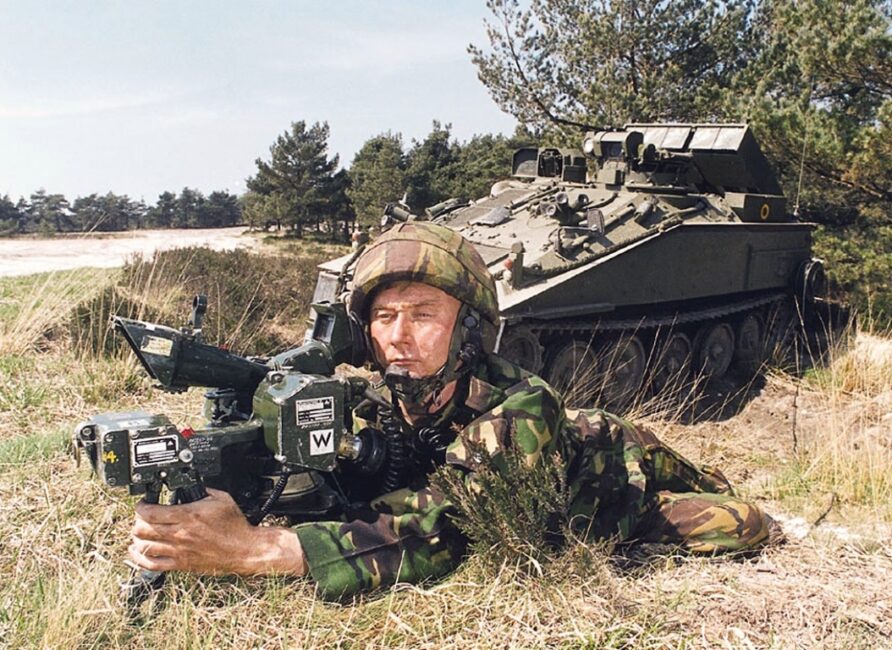
Swingfire was accepted into service in 1969, serving until its withdrawal in 2005, resisting several attempts to replace it in the intervening years.
TRACER and TRIGAT #
Intended to replace Swingfire, the MoD stated an intent to collaborate with France and Germany on the TRIGAT development programme.
In 1983, the Government further outlined their intent
Swingfire, our long-range anti-tank missile mounted on tracked vehicles, has been provided with a thermal imaging sight and an improved warhead. A similar sight, together with an improved warhead, is currently being provided for Milan, and an improved warhead for TOW, our helicopter-borne anti-tank missile, is also now in service.
Research and development work has also started on our next generation of anti-tank missiles to replace Milan, Swingfire and TOW in the 1990s, work on which I am glad to say we are in partnership with France and Germany.
There were planned to be two TRIGAT variants, Medium Range and Long Range.
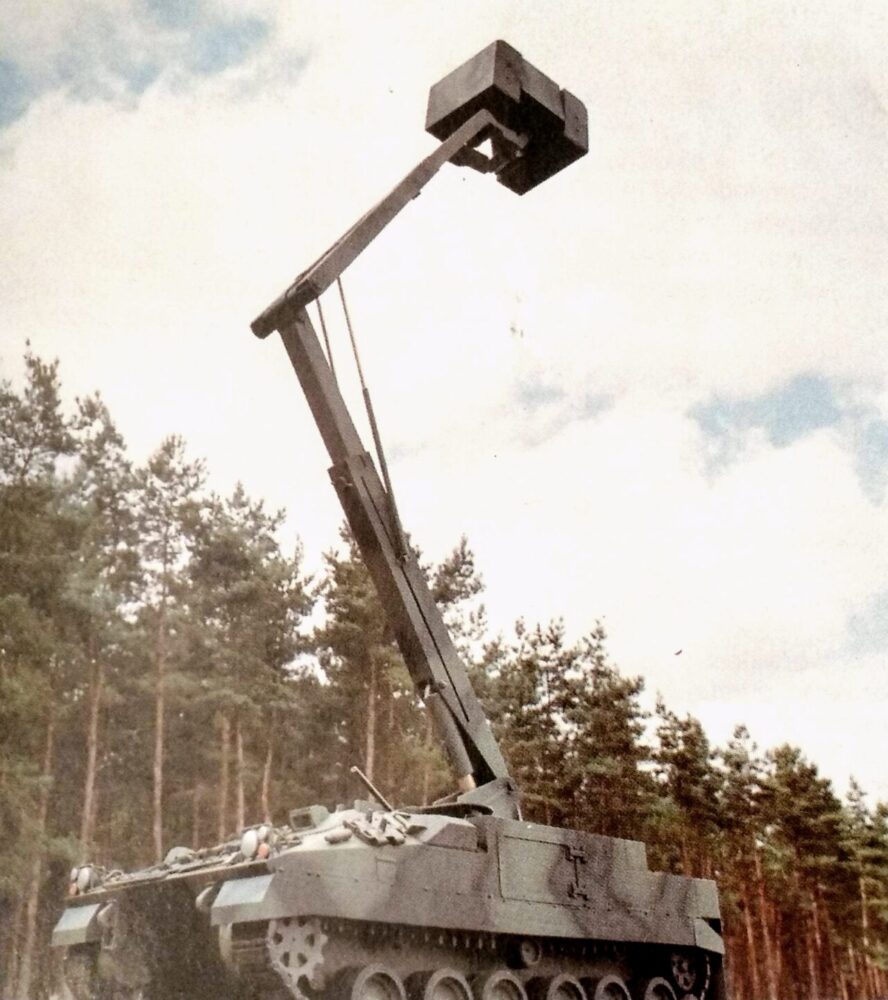
Some of the studies that were looking at TRIGAT-LR as a replacement for Swingfire considered using the Challenger 1 Main Battle Tank.
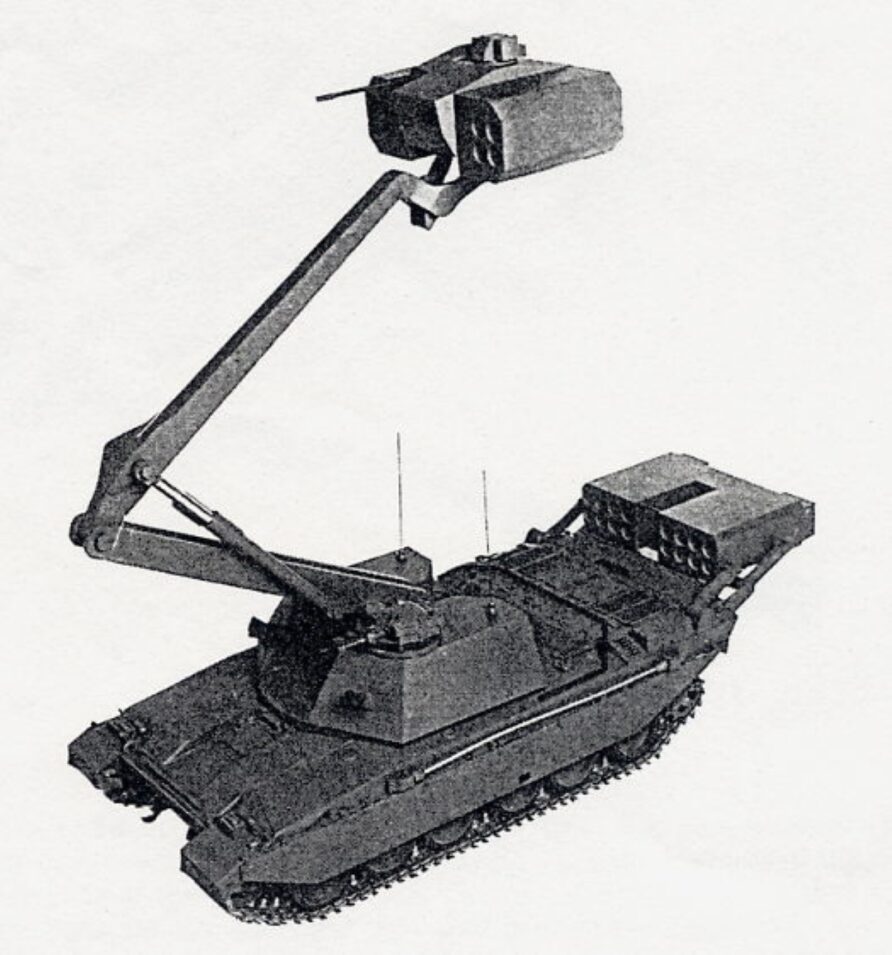
A version of Warrior was also proposed.
In response to the Iraqi invasion of Kuwait in August 1990, a coalition was formed that would see 35,000 British personnel deployed as part of Operation GRANBY. 4th Armoured Brigade, 7th Armoured Brigade and HQ 1st (UK) Armoured Division, and 5,000 vehicles, were all shipped to Saudi Arabia in time for the 1991 start.
Although CVR(T) Strike was still in service, several Warriors were modified with a turret-mounted Milan firing post. Although it could not be used on the move, it did provide much greater mobility for Milan than the FV432s would have.
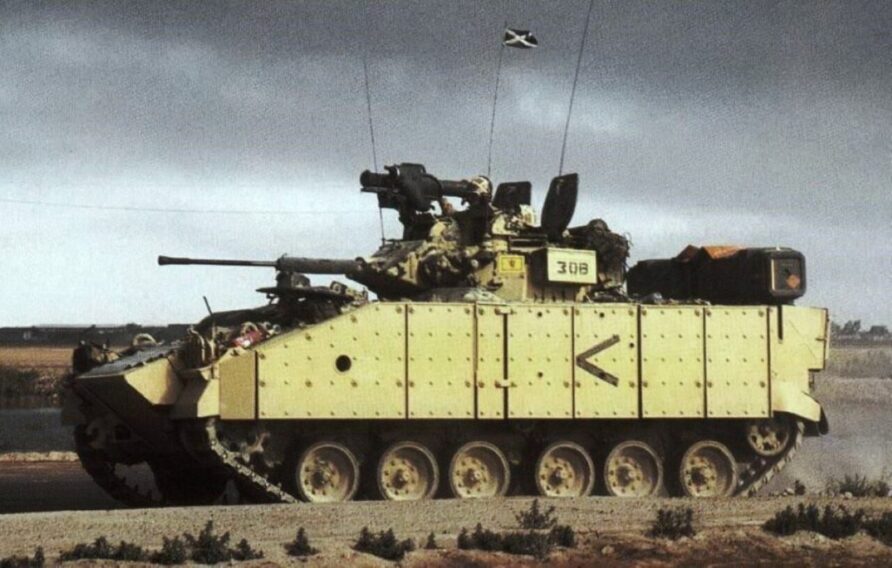
In addition to Warrior with Milan, Striker and FV438 with Swingfire also deployed to the Middle East.
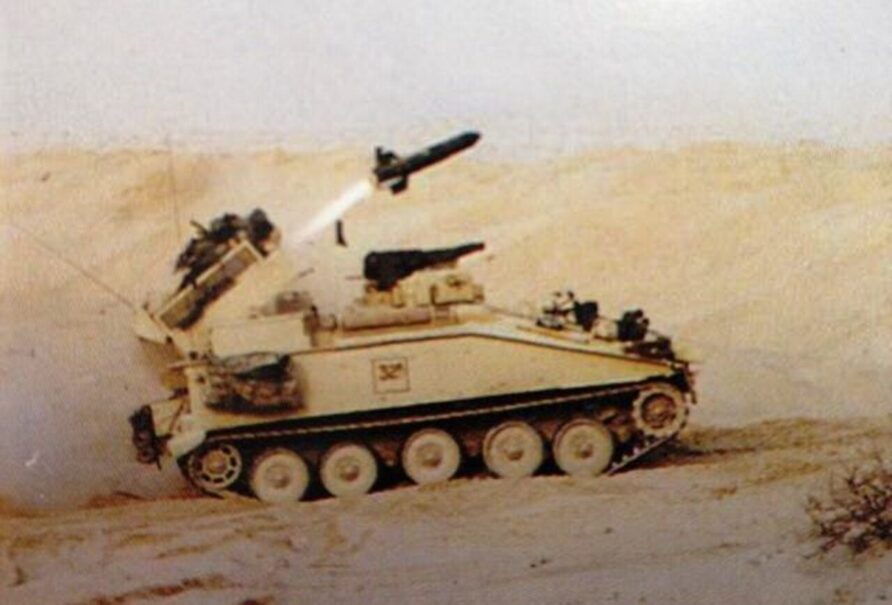
In the 1991 Major Projects Statement, the following update on TRIGAT-LR was provided
Formal notice of the UK’s intention to withdraw from the Long-Range project was given to our French and German partners in September 1991.
A year after Operation GRANBY, in 1992, Staff Target (Land) 4061, more commonly known as TRACER, Tactical Reconnaissance Armoured Combat Equipment Requirement was confirmed to be the CVR(T) replacement.
Read more about TRACER at the link below
Tactical Reconnaissance Armoured Combat Equipment Requirement (TRACER) – Think Defence
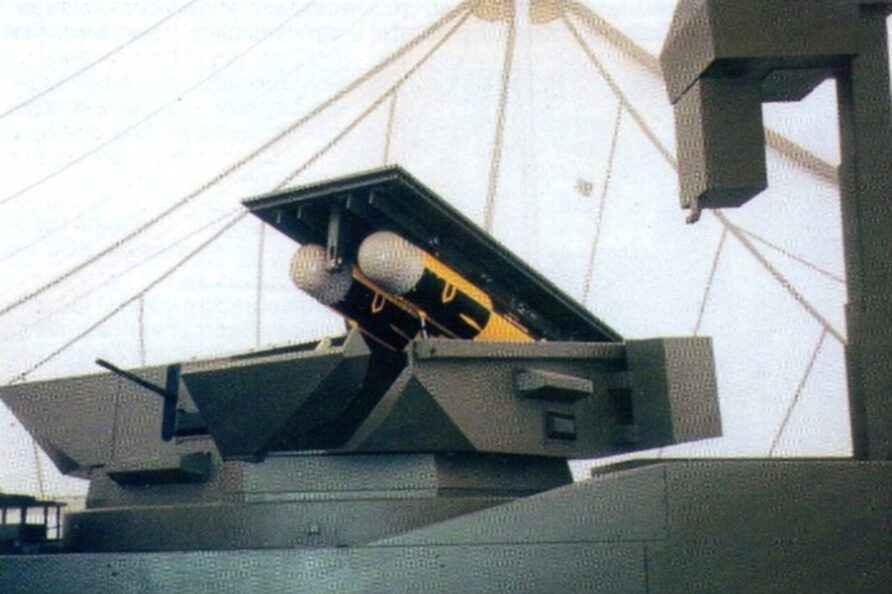
TRACER included an overwatch variant.
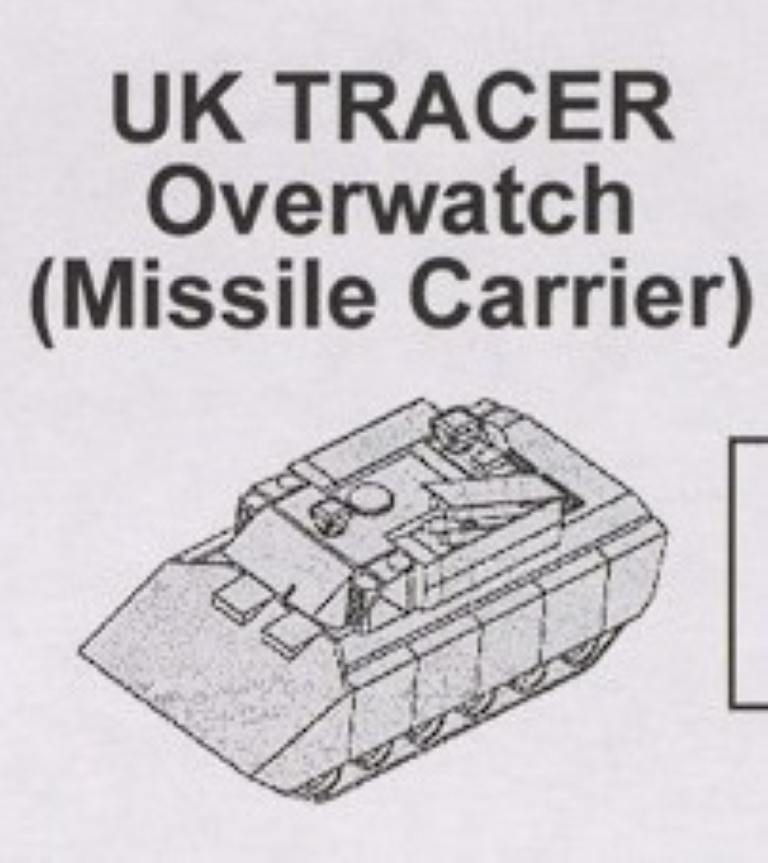
The mockup below showing a four Brimstone launcher turret.
In September 2000, the Government announced the UK’s withdrawal from TRIGAT-MR, with a final forecast cost of £122 million, the final amount rising significantly in the following years.
In 2001, after intent being signalled a couple of years earlier, the UK and France withdrew (finally) from the TRIGAT LR programme, leaving Germany to go it alone, finalising the development of TRIGAT-LR, and bringing it into service in 2013 as PARS-3.
The cost of withdrawal from TRIGAT-LR was exceeding £200 million.
In October 2001, a statement was made to Parliament that in a joint US/UK decision, TRACER would come to a close at the end of the assessment phase in July 2002. The information gained would be used to inform FCS and FRES respectively, both programmes were to absorb TRACER and FSCS.
The total cost to the UK was confirmed at £131 million
The UK would go on to purchase Javelin to fill the TRIGAT MR hole, but Swingfire and Striker soldiered on, having seen off both TRACER with Brimstone and TRIGAT-LR on other vehicles and helicopters.
The original goal to field a single long-range ATGW for both vehicle and helicopter launch was also unrealised.
Future Rapid Effects System (FRES), Iraq, and Ajax #
FRES first emerged in 2001 with the MoD requesting information from suppliers on how they could contribute to a medium-weight force.
Recognising the geopolitical change as a result of the 9/11 attacks, the New Labour government initiated discussions and consultations on a ‘new chapter’ for the 1998 Strategic Defence Review in February 2002. The Strategic Defence Review – New Chapter was published in July 2002.
We must retain the ability rapidly to deploy significant, credible forces overseas. It is much better to engage our enemies in their backyard than in ours, at a time and place of our choosing and not theirs. But opportunities to engage terrorist groups may be only fleeting, so we need the kind of rapidly deployable intervention forces which were the key feature of the SDR.
Despite the 1998 SDR and 2002 New Chapter, the Army went to Iraq with what were its Cold War legacy vehicles, the same vehicles, save for selected improvements, as they did in 1991 in the same location.
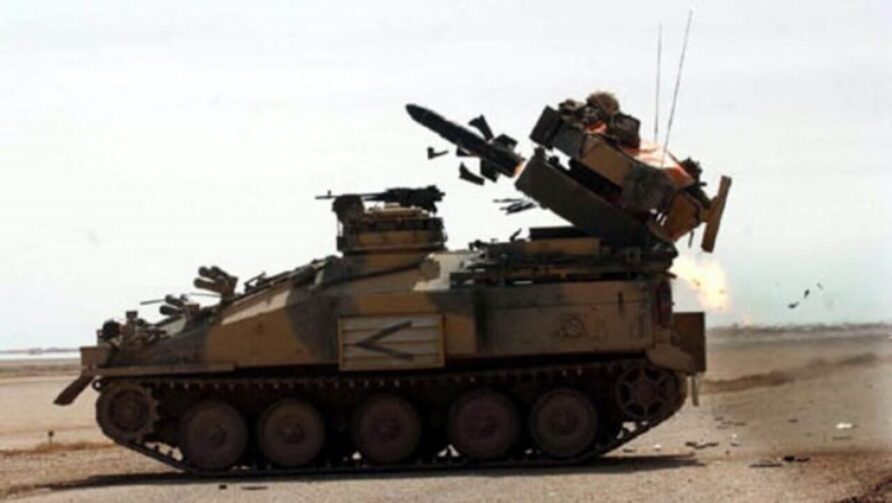
Very long story short, as FRES matured, it did carry over some conceptual frameworks from TRACER and MRAV
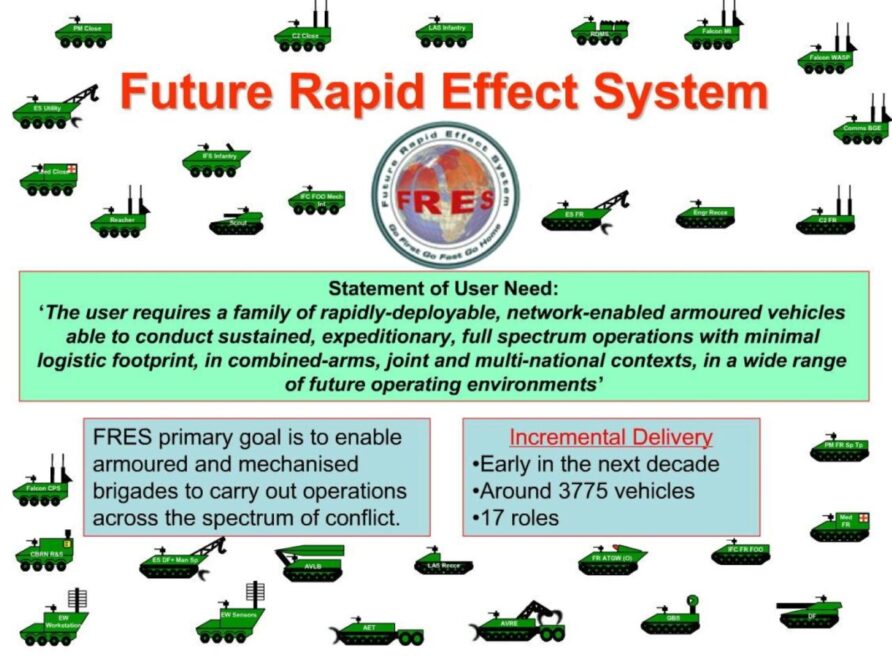
Tucked in that graphic is FR ATGW(O), Formation Reconnaissance Anti Tank Guided Weapon (Overwatch)
Delivering Security in a Changing World – Defence White Paper was published by the government in December 2003.
The Operation in Iraq – Lessons for the Future report, issued by MOD also in December 2003, made over 430 specific observations and recommendations, including that long-range ATGW (beyond 2km) were of proven value and that the Swingfire OSD should be reviewed (TEL.0.304)
5.6 The Swingfire anti-tank guided weapon system, which is fitted to some UK reconnaissance vehicles, was also of great utility during the combat phase. It was the longest-range, integral weapon system available to reconnaissance units and was used in approximately half of their attacks despite representing only a quarter of their main weaponry.
Swingfire and Striker were finally withdrawn in 2005/6, without replacement, at the same time as the Milan Compact Turret on a Spartan.
As FRES developed, Recce Block 3 included a mounted overwatch variant called ‘Formation Reconnaissance (Overwatch)’
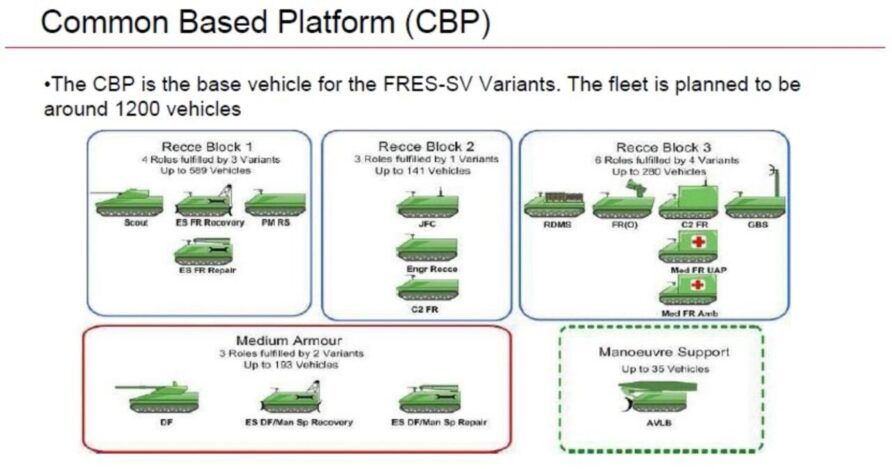
FRES continued, but Iraq and the well-publicised issues of bringing the FRES wheeled variant into service would eventually cause the FRES programme to cease, with the Army going forward with a single programme to replace CVR(T), called Specialist Vehicle (SV), or Scout.
SV would eventually be won by General Dynamics
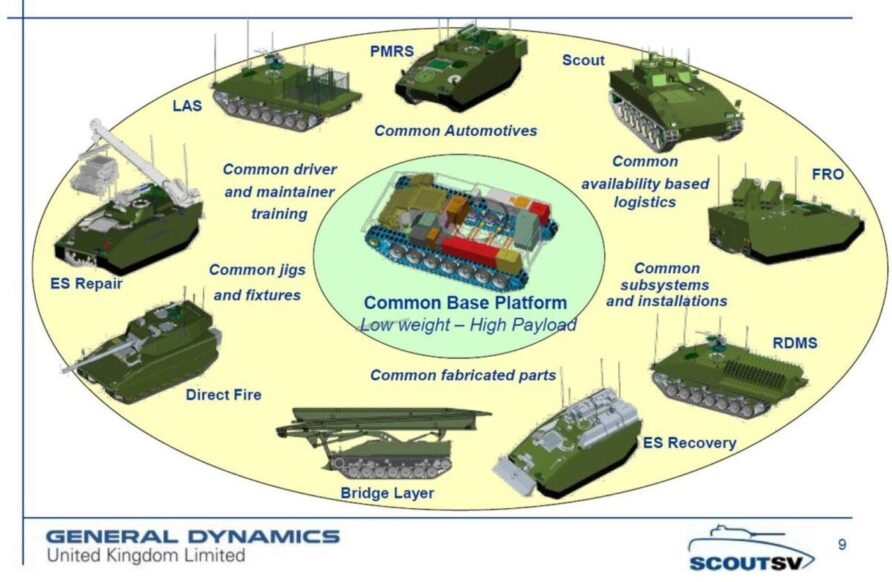
As can be seen in the image above, Formation Reconnaissance Overwatch was still a requirement, held over from TRACER and FRES.
Formation Reconnaissance Overwatch (FRO) was retained within Recce Block 3, but was descoped post SDSR 2010.
The Striker role looked increasingly likely to be covered by dismounted Javelin teams, and until Mounted Close Combat Overwatch (MCCO) enters service, that appeared to be the default position
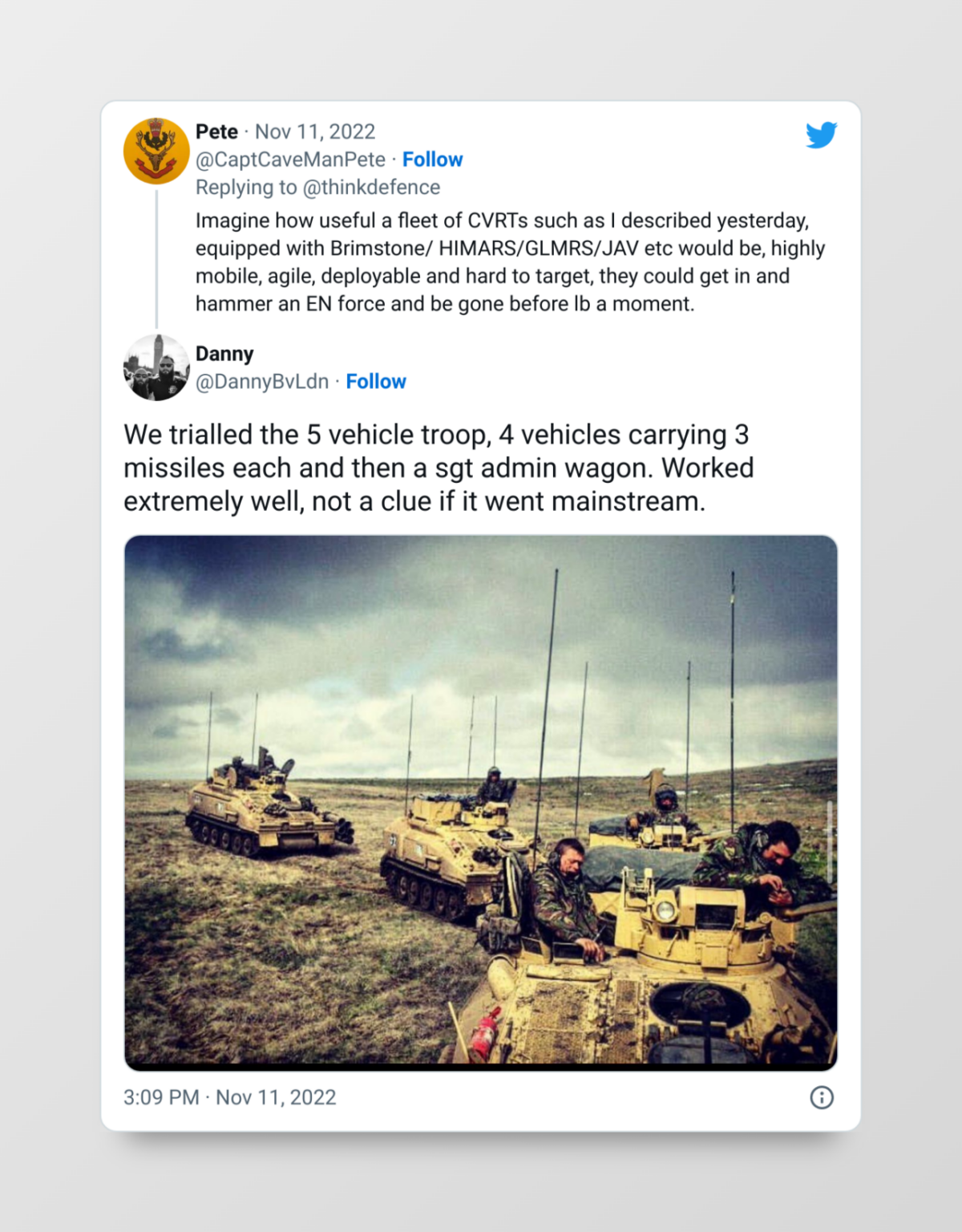
To summarise #
Although Striker and FV438 used the same missile, they were used for slightly different roles, the former staying in service nearly two decades after the latter. Swingfire was certainly of its age, and no doubt debates about relative values between it and TOW, Milan and other missiles will continue, irrelevant, though.
The simple fact is the concept and system were proven on operations, twice.
The ability to fire from defilade positions and concealment, not reproduced by any comparative system, was way ahead of its time, and one might argue many modern systems today cannot do likewise.
Attempts at replacing it failed for various reasons and since it left service in 2005, a vehicle-mounted long-range ATGW has not been in service with the British Army.
A recent Parliamentary Defence Select Committee report took evidence from several witnesses, Ben Barry commented…
“Another firepower differential is the capability to fire ATGW from underneath armour. In the Cold War, the British FV 438 and Striker AFVs could fire Swingfire ATGW from under armour… Between 1991 and 2005 these capabilities were all abandoned… So, when British [armoured forces] are attempting to manoeuvre against the enemy, the only way of rapidly firing Javelin ATGW will be for crews to stand in open vehicle hatches. This will be slower than if the British had ATGW-equipped turrets and the operators will be much more vulnerable to enemy fire … With its aviation brigade due to receive 50 new AH64E Apache helicopters, the British Army will have a powerful rotary wing ATGW capability… But the aviation brigade’s effectiveness will be limited by two “inconvenient truths”. The first is that the Russian Army has a much greater air defence capability than the British army. Secondly, enemy AFVs fitted with active protection will be much less vulnerable to Hellfire missiles … Russian indirect fire is likely to outgun, outrange and outnumber indirect fire available to UK and NATO formations … This will place their opponents at a considerable disadvantage, increasing the chance of artillery fire damaging AFVs, and destroying light armoured vehicles. This increases the importance of replacing the remaining FV432 and CVR(T) vehicles in the Army. It also increases the importance of modernising the Army’s artillery, an enhancement that does not appear to be funded.”
Setting up a discussion on MCCO is a multi-decade story of problems and waste.
Mounted Close Combat Overwatch (MCCO) — Options #
The publicly available materials on MCCO were relatively vague, as would be expected at the early stage.
DSTL was working within Weapon Systems Research Framework and with prime contractors, Lockheed Martin, MBDA and Thales.
In pre-concept publicity materials, they describe a number of additional high level-characteristics of MCCO.
- Non line-of-sight capability
- Third-party/remote targeting and control
- New sensors to overcome active protection systems and defeat the enemy’s electronic or electro-magnetic defences
- Capable of engaging targets up to 10 km away
- Missiles weighing up to 50 kg
At this stage, there were no publically released detailed on the following.
- Warhead effects
- Attack angle
- Speed
- Environmental constraints
- Sensor and Effector integration
- Offboard cueing and inflight re-targeting
- Simultaneous engagement of multiple targets
- Guidance modes
- Vehicle integration
But there were some obvious potential options for the effector part of the requirement, and their manufacturer marketing teams released some early concepts.
Joint Air to Ground Missile (JAGM) #
The Lockheed Martin Joint Air to Ground Missile (JAGM) is a replacement for the Hellfire, Maverick and TOW missiles, based on Hellfire.
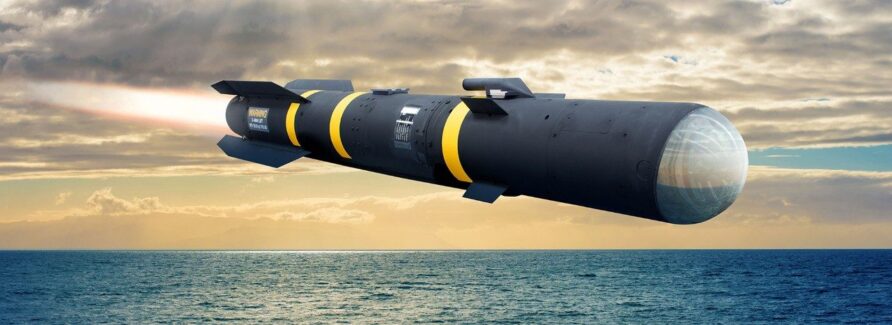
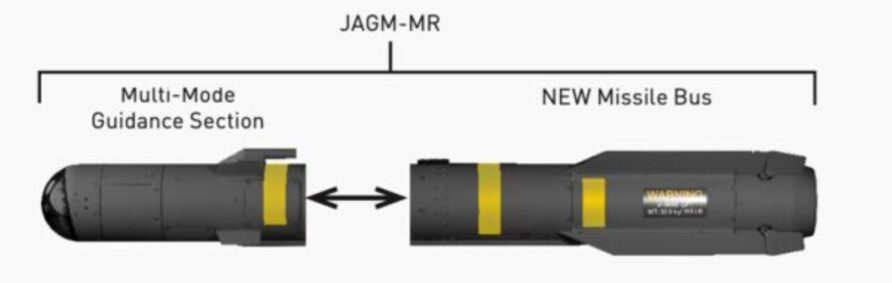
JAGM has been selected by the British Army to equip its AH-64E Apache attack helicopters over Brimstone 3. The missile retains the Hellfire propulsion and warhead assemblies, with a new dual-mode seeker.
A new Medium Range variant was developed to include a new tri-mode seeker and propulsion section to enable a 16km range, keeping the weight in the 50kg class.
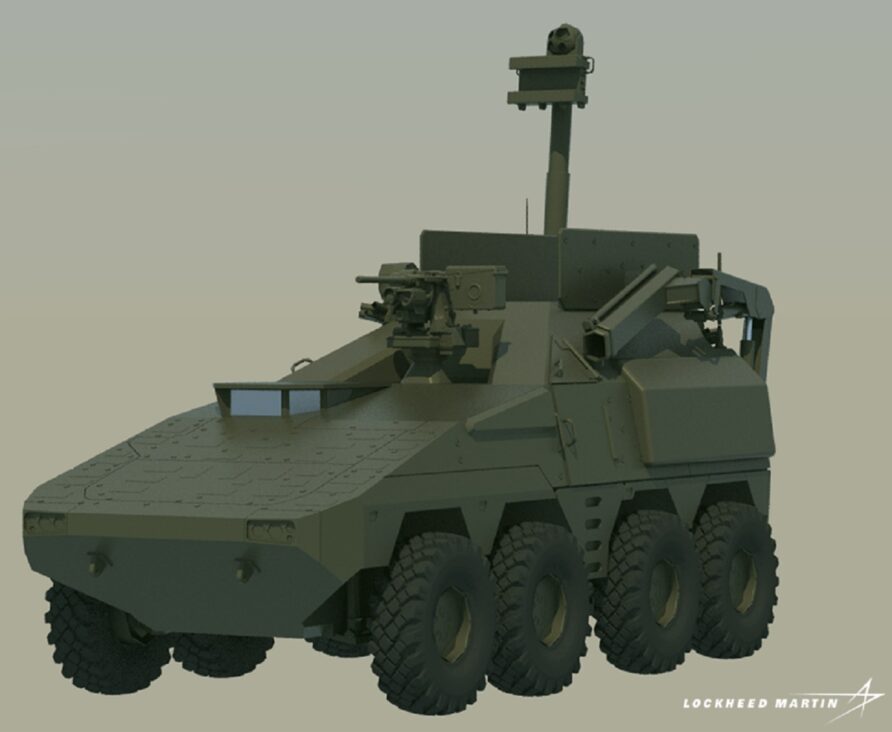
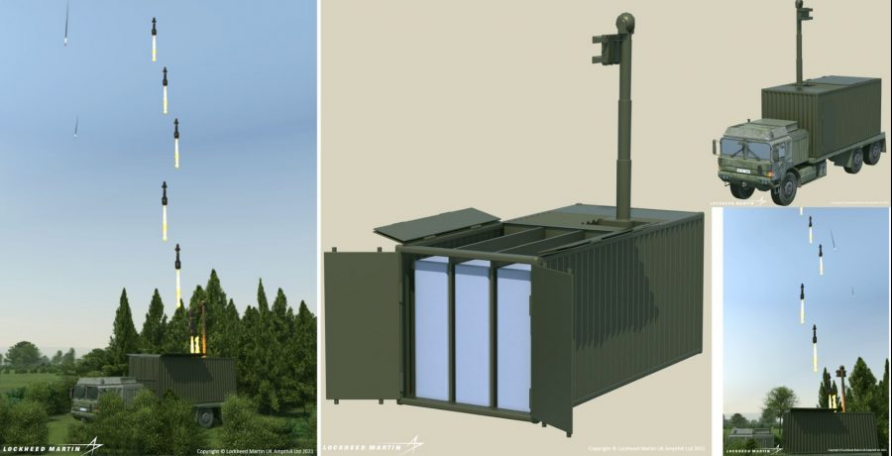
The Lockheed Martin JAGM concept for MCCO appears to show a high-roof Boxer module with a Vertical Launch System, integral sensor/data link mast and hydraulic loader.
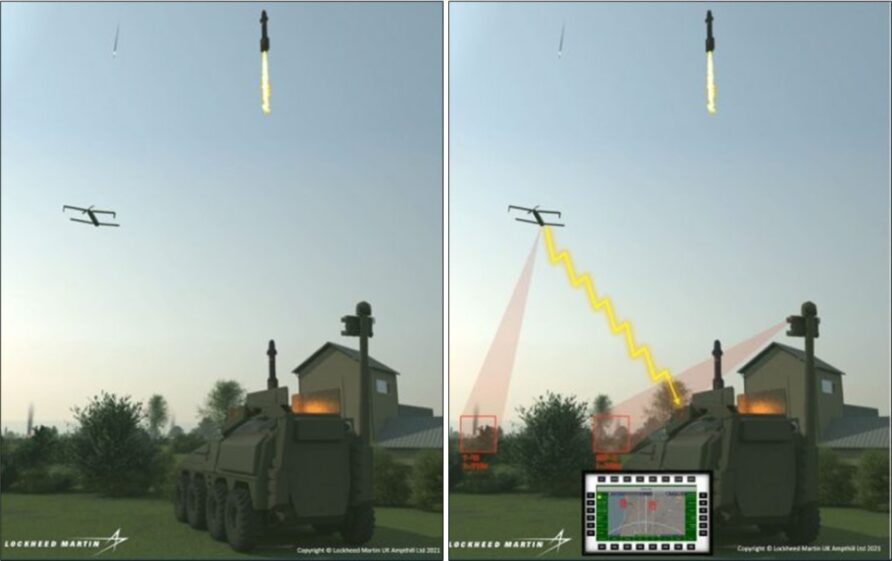
Another interesting aspect of the Lockheed Martin solution is what appears to be a data link to a UAS (likely the UK-developed LM Outrider).
A final image shows a containerised version carried on a MAN SV truck, able to carry up to 50 missiles (or about $16m worth)
UVision Hero 120 Loitering Munition #
Fixed-wing designs tend to have a longer range and larger warhead, and most designs have only limited re-arm and re-use capability. Hero 30 and Warmate are good examples, although the AeroVironment Switchblade 300 is better known.
It is unlikely these small systems have the warhead capacity for use against modern heavy-armoured vehicles, so there are a smaller number of larger devices available that might potentially meet the MCCO requirement.
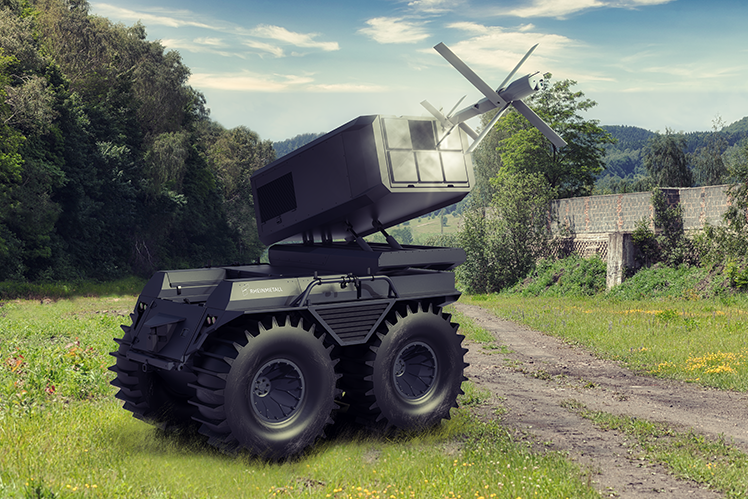
One example is the UVision Hero 120, also offered by Rheinmetall.
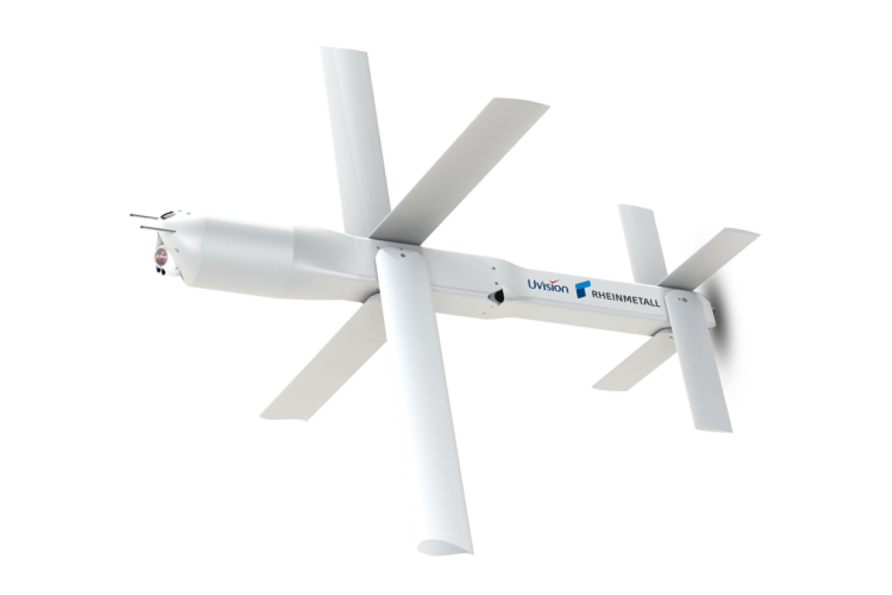
Hero 120 weighs 12 kg, with a 4.5 kg warhead and a range of 40 km. Hero 120 has been purchased by the USMC and demonstrated to the Royal Navy as part of their Percy Hobart Fellowship. The USMC version of Hero 120 was also selected to meet the requirements of its Organic Precision Fire Mounted (OPF-M) programme, using the same warhead as fitted to Javelin. Mistral inc will deliver the programme.
The Hero 120 is certainly not a missile, and its range far exceeds that of the MCCO requirement. Guidance options are also different to either JAGM or Brimstone.
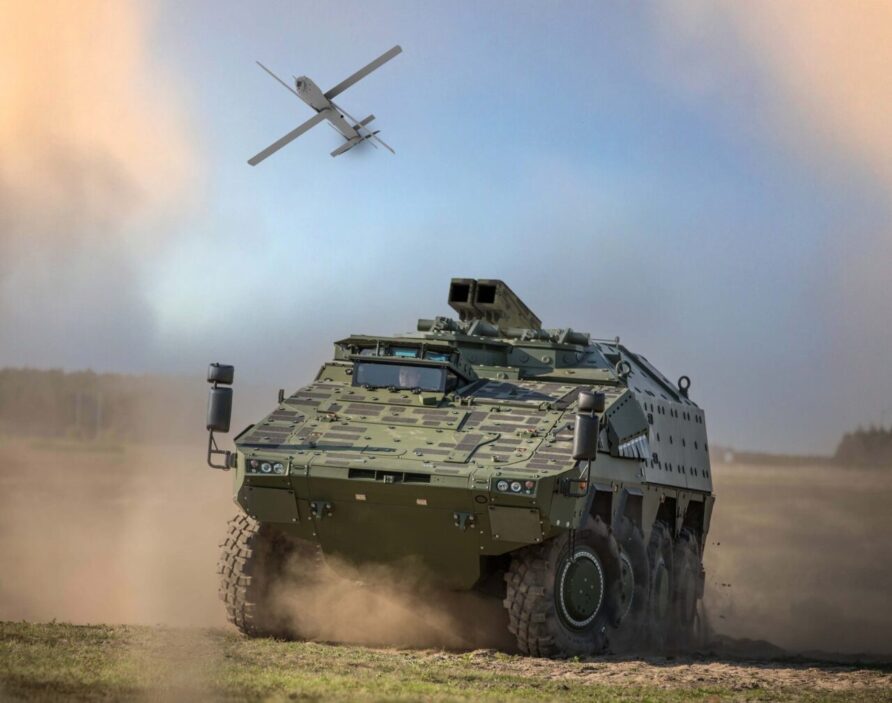
Only a single concept image at the minute, from Rheinmetall and UVision.
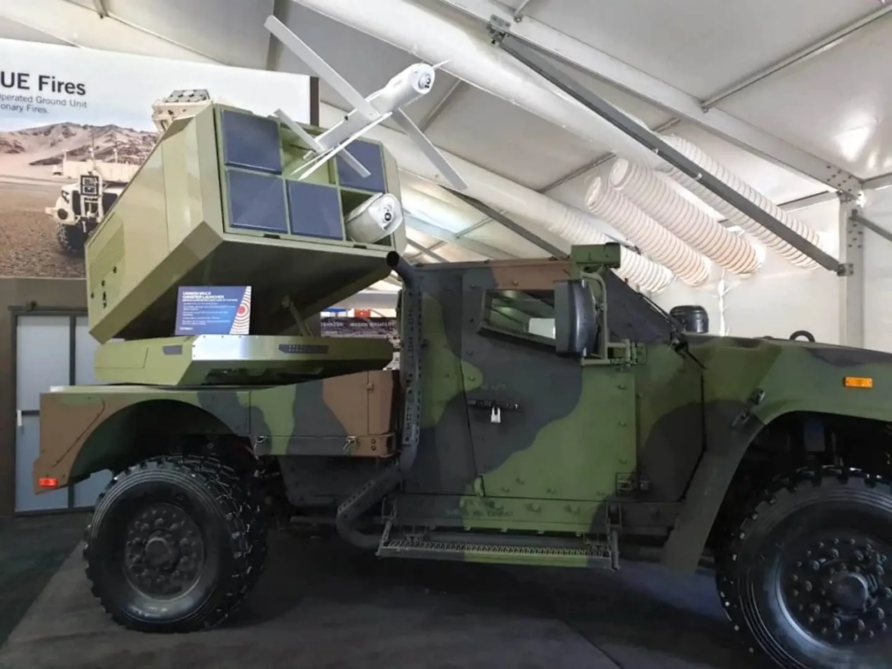
A JLTV mock-up.
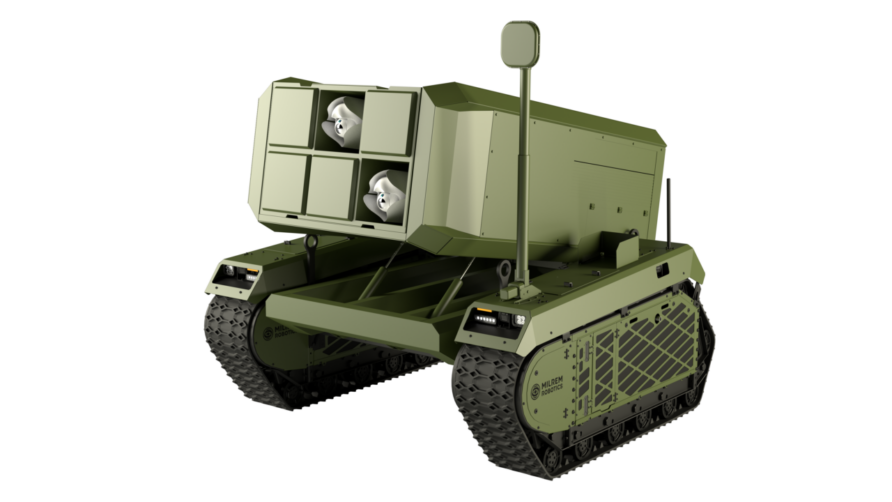
And if UGV options are required.
MBDA Brimstone #
Brimstone 3A retains all the critical components from Brimstone 2
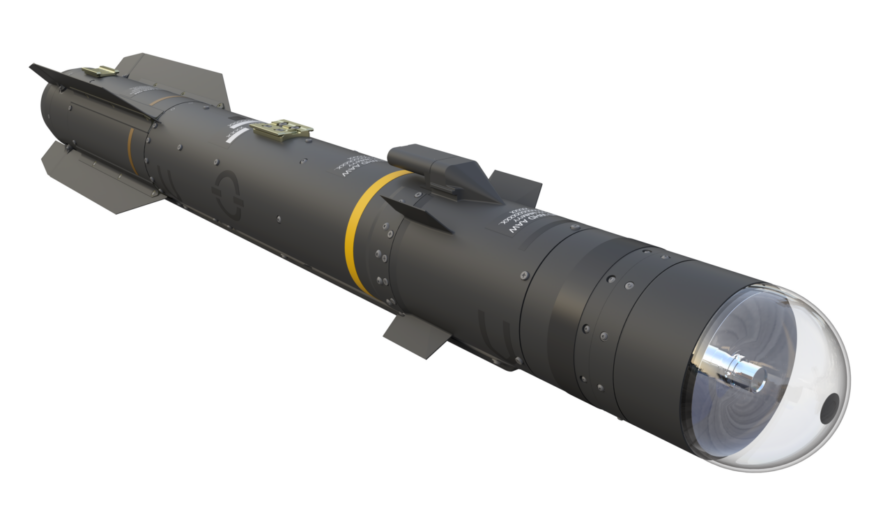
Brimstone 3 is also in the 50 kg weight class as JAGM and the range is comparable with the MR variant. (see my long read on Brimstone for more details on its range)
Brimstone has been shown on Boxer, Ajax, Supacat HMT, and various UGVs.
The initial materials released on MCCO didn’t specify any particular launch platform or vehicle, but as manufacturers have started to market their proposals, the obvious contenders have been shown in mock-ups or illustrations.
Certainly, in their marketing materials, MBDA has emphasised the potential for multiple types carrying the same vehicle.
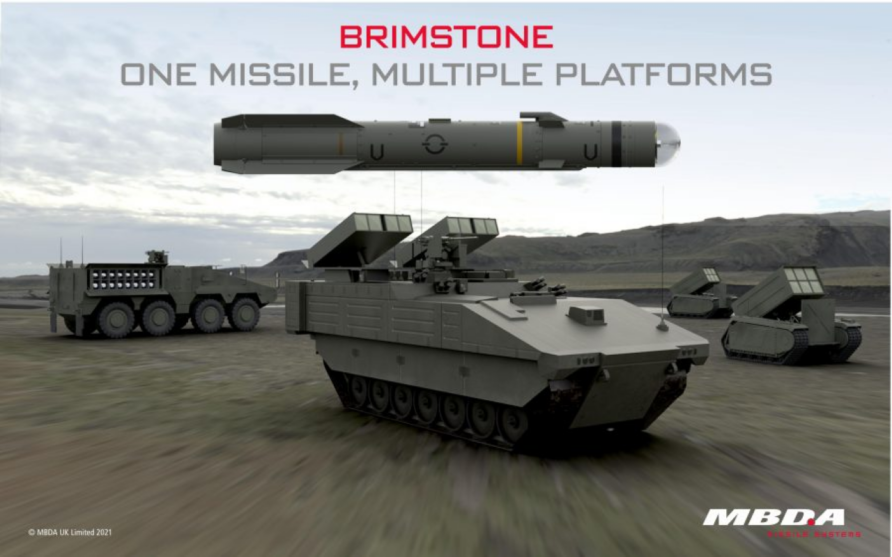
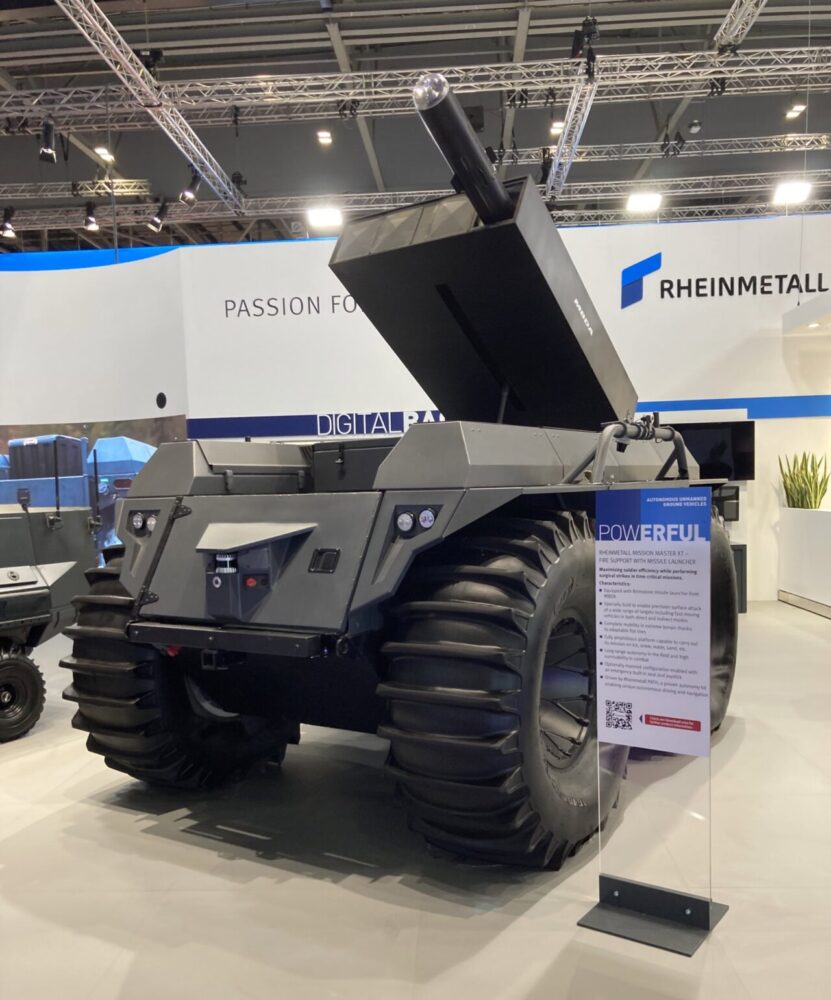
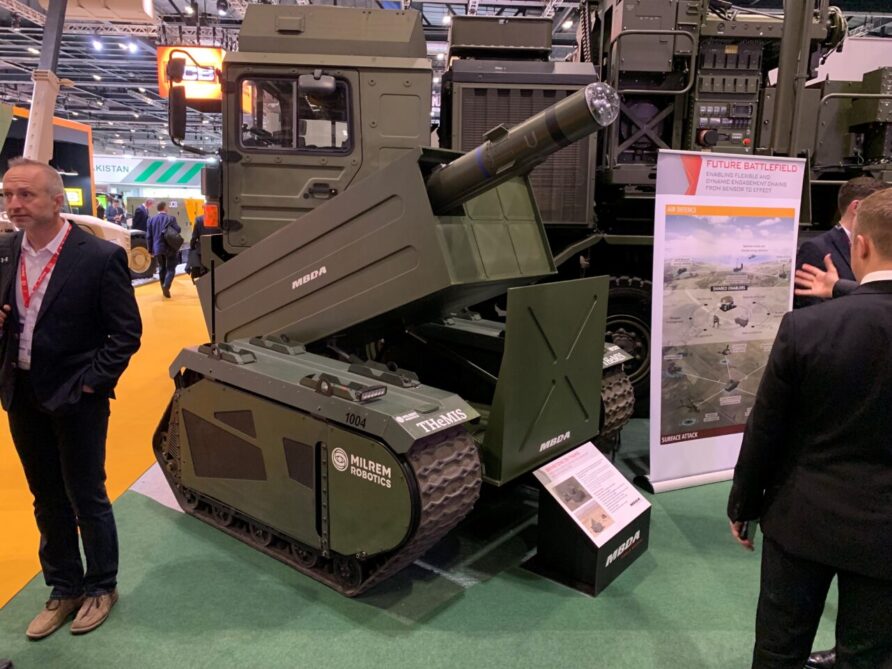
RBSL, MBDA, Supacat and General Dynamics have shown three base vehicles with Brimstone.
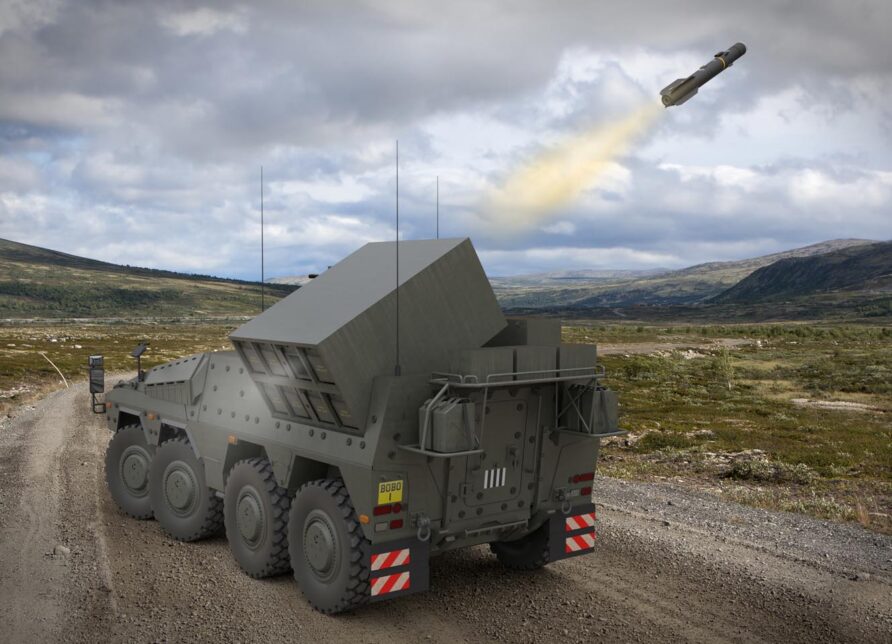
The Boxer variant uses a 2×4 elevating transverse box launcher, this being slightly different as the first version seemed to indicate a 2×8 configuration in a non-elevating configuration.
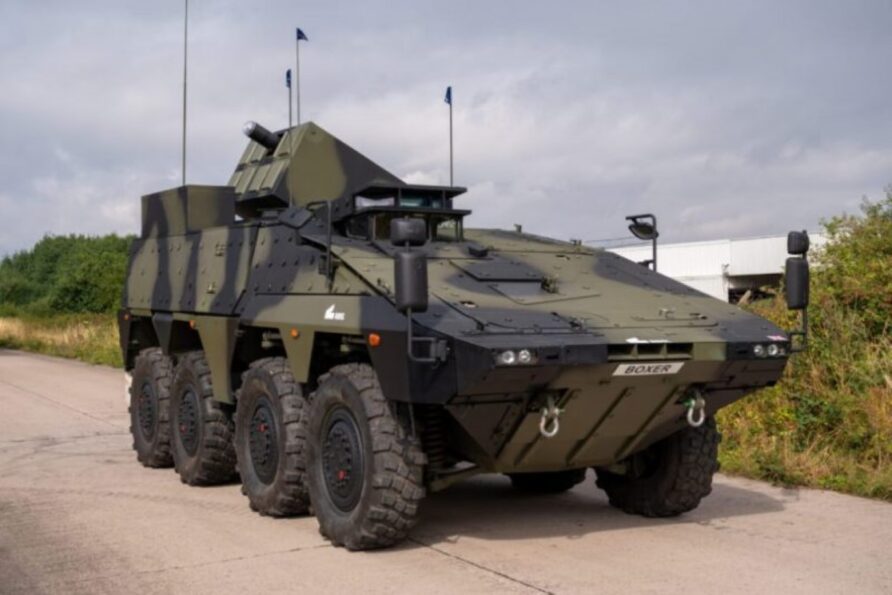
The Ajax/Ares variant uses two elevating longitudinal 1×4 box launchers in a non-penetrating mount.
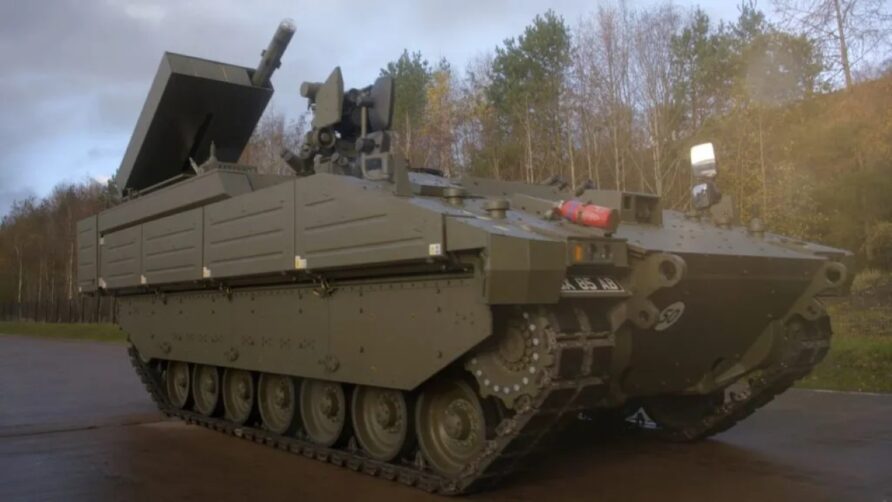
It is not known if either of these carries additional reloads in the hull.
The HMT 600 vehicle from Supacat has been shown with what appears to be the same 2×4 launcher as those on Boxer.
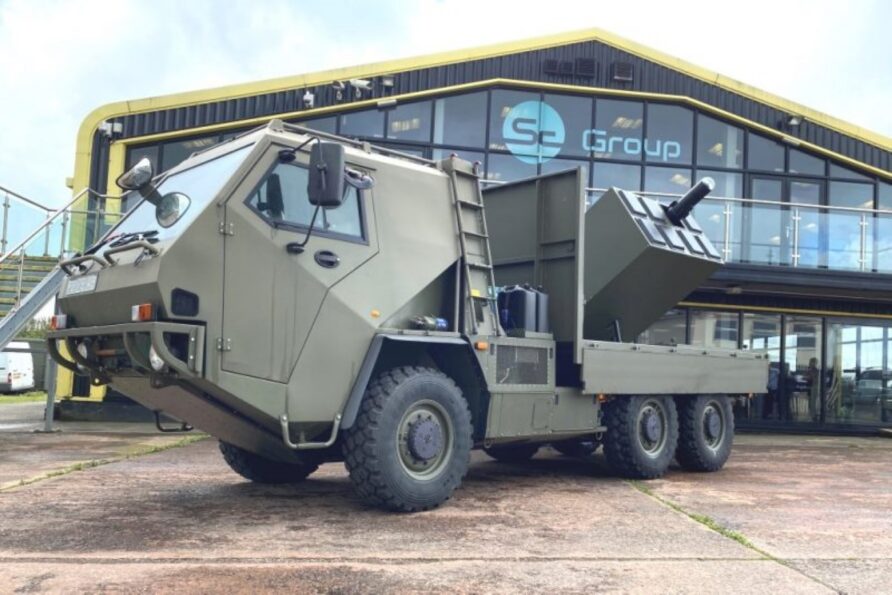
This is aimed at lighter forces and for Chinook transportability, shades of LIMAWS(R), and developed as a separate rapid effort called Project Wolfram.
Interestingly, Moog showcased their RIwP with Brimstone and HVM, and a GPMG and M230 30 mm automatic cannon.
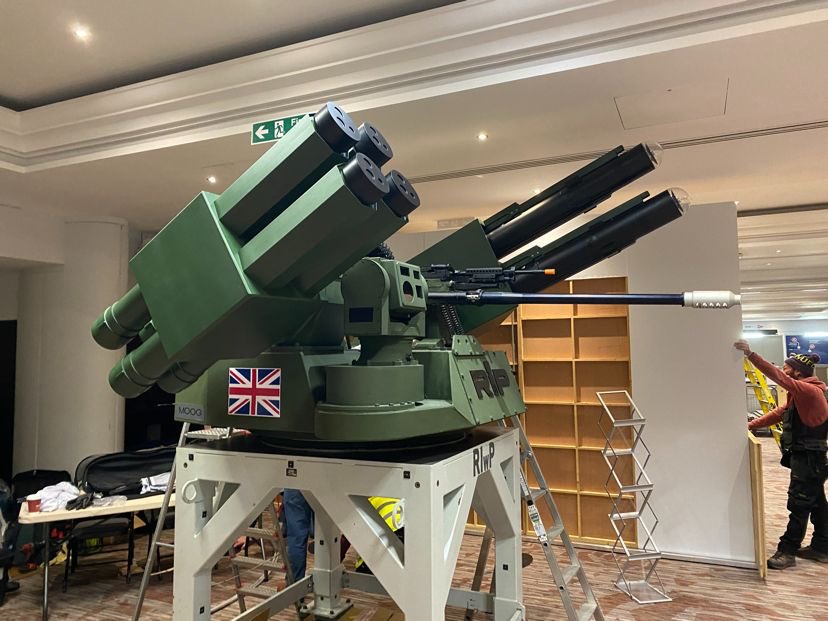
This configuration has been shown on Foxhound and Boxer.
A later demonstration from Moog showed an 4 Brimstone variant, with the missiles enclosed.
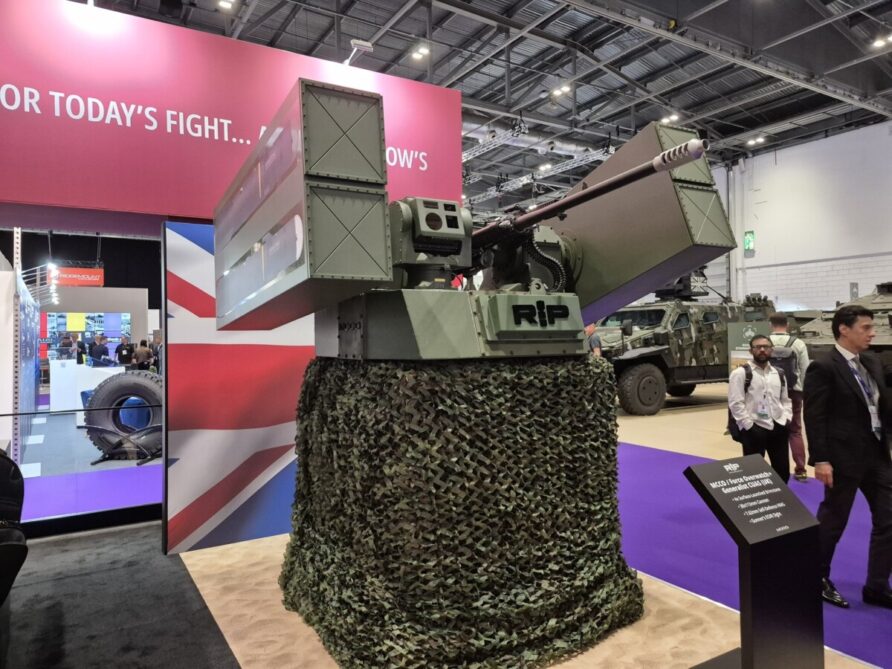
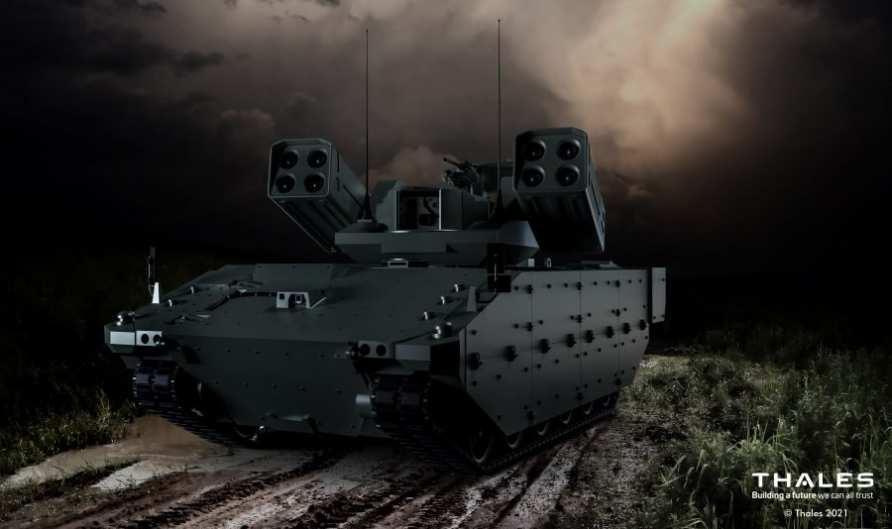
Thales were contracted to complete concept work on a non petetrating turret, although it doidn’t specifically mention Brimstone or any of the othe rmissiles.
MBDA Akeron #
Although not seen in any of the initial materials, it might be worth considering Missile Haut de Trame (MHT) or Akeron Longue Portée (LP), also from MBDA.
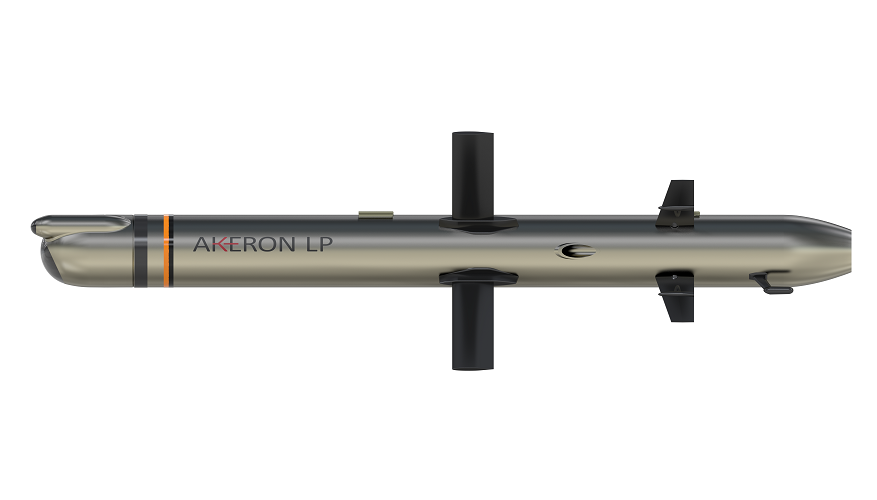
Akeron LP is still in development but will likely be slightly lighter than JAGM or Brimstone, but will have a comparable range and range of guidance options.
Akeron LP will arm the Euro Drone medium-altitude long-endurance (MALE) unmanned aerial vehicle (UAV) and, potentially, French and Spanish Tiger MkIII helicopters.
Current Status #
Mounted Close Combat Overwatch (MCCO) appears to still be in early concept stage, with no official information from the MoD indicating contract awards, but the Boxer pipeline information indicates a version on that vehicle coming into service in 2033, nearly three decades after Striker and Swingfire were withdrawn.
If you found value in this article, help me keep Think Defence going.
Think Defence is a hobby, a serious hobby, but a hobby nonetheless. I have removed those annoying adverts, but hosting fees, software subscriptions and other services add up.
To help me keep the show on the road, I ask that you support the site in any way you can. It is hugely appreciated.
You can click on an affiliate link, Buy Me a Coffee at https://ko-fi.com/thinkdefence, download an e-book at https://payhip.com/thinkdefence or even get some TD merch at https://www.redbubble.com/people/source360/
Youtubers, if you are going to lift content from here, the decent thing to do would credit me
Read more (Affiliate Link)


