
 Doc Summary

The Thales Lightweight Multirole Missile (LMM) is called Martlet in Royal Navy service.
It is described by Thales as;
LMM is a low cost, lightweight, precision strike, missile, which has been designed to be fired from tactical platforms including fixed or rotary winged UAVs and surface platforms. The system is designed to provide a rapid reaction to a wide range of the surface threats from wheeled or tracked vehicles, towed artillery or static installations; naval threats from small ships and fast inshore attack craft and an air threat from light aircraft
In UK service, it will arm the Royal Navy Wildcat helicopter.
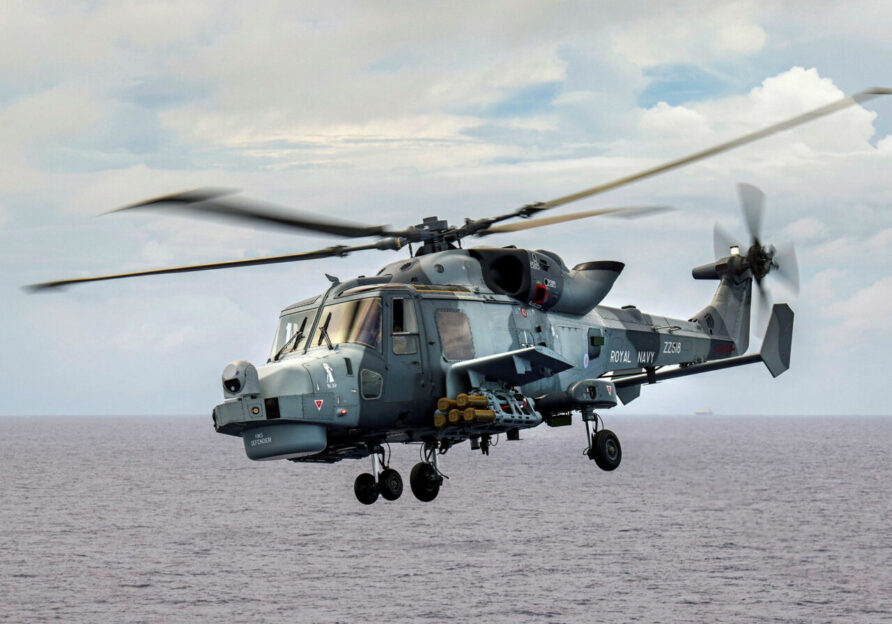
Martlet (LLM) meets the Future Anti-Surface Guided Weapon (Light) requirement, FASGW(L)
Martlet LMM History #
If Sea Skua was a response to a missile-armed Soviet fast attack craft, Martlet is a response to the fast inshore attack craft (FIAC) threat as characterised by those operated by the Iranian Revolutionary Guard.
2008 saw the FASGW(L) requirement emerge for the Royal Navy to counter the fast inshore attack craft (FIAC) threat.
The paper ‘Iran’s Naval Forces – From Guerilla Warfare to a Modern Naval Strategy‘ published in 2009 by the US Office of Naval Intelligence was seen by many as a significant point for Western forces’ appreciation of the threat but the Royal Navy and others had already started work and defined several requirements, FASGW(L) being one of them.
Helicopters would continue to provide force protection but instead of the longer range and larger systems like Sea Skua or Hellfire/Brimstone, a smaller missile was required with pinpoint accuracy that could be used in typically restrictive Rules of Engagement environments.
The FN Herstal M3M 12.7 mm HMG, BAE Q-SIGHT GRSS and DRS Thermal Weapon Sight were also introduced to improve force protection and provide an element of ‘graduated response
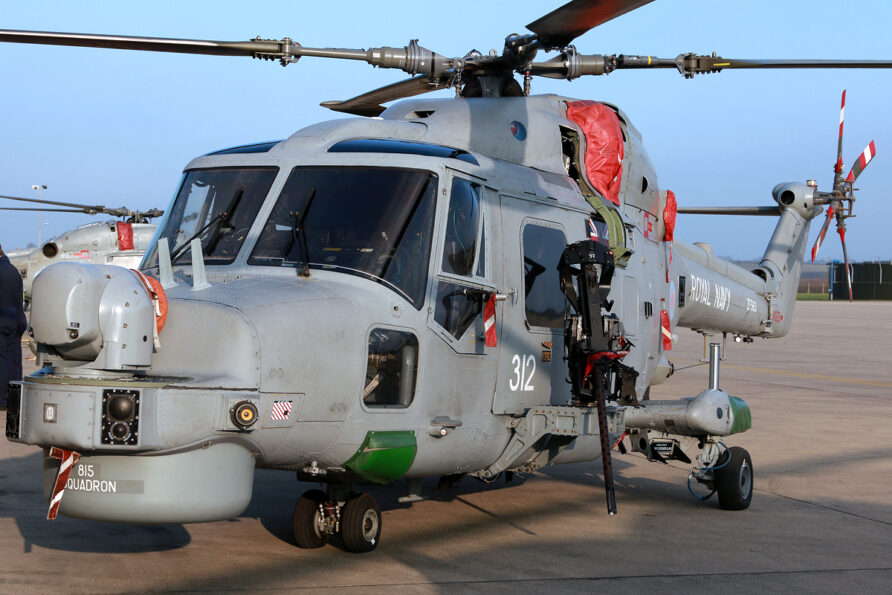
Whilst the M3M and sighting improvements were relatively easy and quick to integrate, the FASGW(L) would take longer.
Several alternatives were investigated including guided 70 mm rockets but one of the significant issues with this approach was their lack of manoeuvrability against a rapidly moving target and the Semi-Active Laser (SAL) seeker typically used had issues with low reflectivity targets, i.e. black rubber boats.
After starting negotiations in 2005, in 2009, the Air Defence Availability Project (ADAPT) saw the MoD, Thales and MBDA agree on an availability contract that would see HVM/Starstreak and Rapier FSC to its out-of-service date in 2020.
This contract also included the provision for a new fire control and target tracking system.
The Thales part of the contract was worth £200 million, and MBDA, £156 million.
Concept work continued with FASGW(L) and it became clear that the Semi-Automatic Command Line of Sight (SACLOS) Starburst missile would form an ideal candidate.
The laser beam-riding guidance system is impossible to jam and works with low-reflectivity targets.
In 2011, Thales issued a press release;
Thales UK and the UK Ministry of Defence (MoD) have today announced an innovative approach to contracting under the principles of Team Complex Weapons (TCW). The two parties have agreed to ‘re-role’ previously contracted budgets to facilitate the full-scale development, series production and introduction of the Lightweight Multi-role Missile (LMM) into service for UK Armed Forces.
“This is a clear demonstration of MoD and industry working in partnership…”
Specific activities covered under this contract amendment include:- design, development and qualification of the laser beam rider version of LMM, production of an initial delivery quantity of 1,000 LMM, precision-guidance system that will deliver a highly accurate performance against static and mobile targets and with low-collateral damage
The multi-role aspects of LMM mean that the UK will have the ability to use a single family of weapons to take on a variety of roles, including: maritime role – LMM will be integrated as the Future Anti-Surface Guided Weapon Light FASGW(L) missile on the new Wildcat Lynx helicopter platform under a parallel programme with the UK MoD. Ground-to-ground role – the dual-effect warhead of LMM (blast fragmentation and shaped charge) makes it suitable for a wide range of ground targets including light/medium armour; air-launched role – the modular design of the missile permits the future development and introduction of alternative warheads, seekers including a semi-active laser (SAL) version for precision strike surface attack roles;
Speaking at the announcement, David Beatty, Managing Director of Thales UK’s Belfast facility, where LMM will be manufactured, said: “This is a clear demonstration of MoD and industry working in partnership to ensure that we deliver the products that our Armed Forces require in a timely and affordable manner.”
“This contract also helps broaden our UK design, development and manufacturing capabilities that specialise in lightweight and short-range missiles, such as our Starstreak and VT1 air defence products and the NLAW anti-armour weapon.”
“LMM is unique in that it’s the first lightweight weapon family to be specially designed to have a wide range of operational roles. We firmly believe that this is what Armed Forces require now and in the future as it not only can provide adaptability in the battlefield but also major benefits in whole life costs by having one weapon family with a highly cost-effective associated logistic support.”
“We have already conducted preliminary marketing of LMM and I can confirm that there is a very high level of interest in this new family of missiles. The main interest is coming from land, sea and air platform suppliers who are keen to have the lightweight, low cost and operational versatility that LMM can deliver. This contract shows Thales delivering the innovation intended by Team CW. ”
Alan Nicholl, Director Weapons at the MoD’s Defence Equipment and Support organisation, said: “This is an excellent example of the objectives of Team CW at work. Such an innovative approach taken by Thales and the MoD to lightweight modular weapons will enhance the UK complex weapons industrial capability with a family of products designed to meet the requirements of both the UK and this dynamic export market sector. It is an excellent example of the UK’s export led industrial policy in action.”
This was the MoD making a value judgement about funding priorities, by shifting money already committed to Starstreak/HVM, it was judging the threat to Royal Navy shipping as a more significant and more imminent risk than that of threats against the British Army.
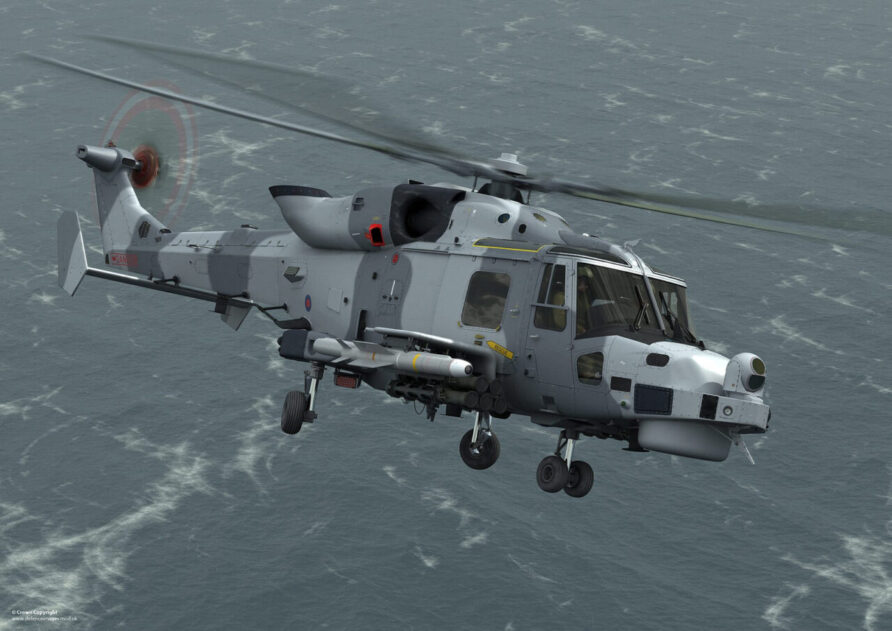
The MoD awarded a £90 million contract to Agusta Westland in 2014 to test, integrate and install both FASGW Light and Heavy missiles onto the Royal Navy’s 28 Wildcat helicopters.
The contract covers the development, qualification, and integration of the FASGW(L) system – which comprises a five barrel launcher and a laser guidance system – for the Agusta Westland AW159 Wildcat helicopter, and provision of deployable test equipment.
Also in 2014, the £48 million Design and Manufacture contract for FASGW(L) LMM went to Thales, to complete development activity.
Thales was recently awarded a contract worth £48 million from the UK Ministry of Defence (MoD) for the demonstration and manufacture of the Future Anti Surface Guided Weapon (Light), or FASGW(L), system.
In addition to the helicopter-launched variant for the MoD, Thales has been actively exploring other options. LMM has been seen on various UAVs and in 2014, a tripod-launched variant was tested in the Ground to Ground role.
Thales also partnered with MSI and integrated a multiple-round LMM launcher with the 30 mm Bushmaster cannon, the Seahawk SIGMA.
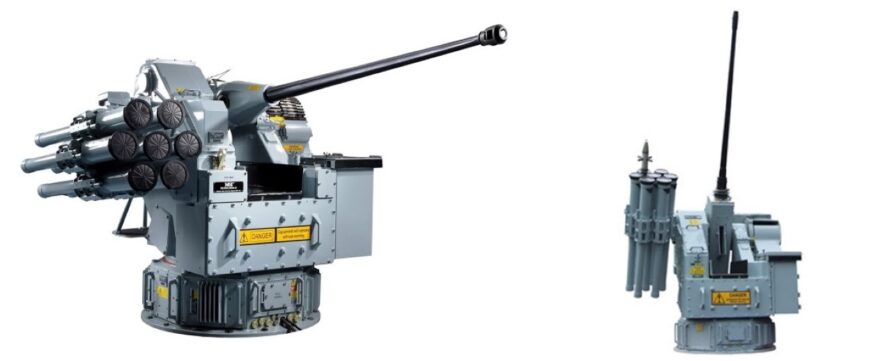
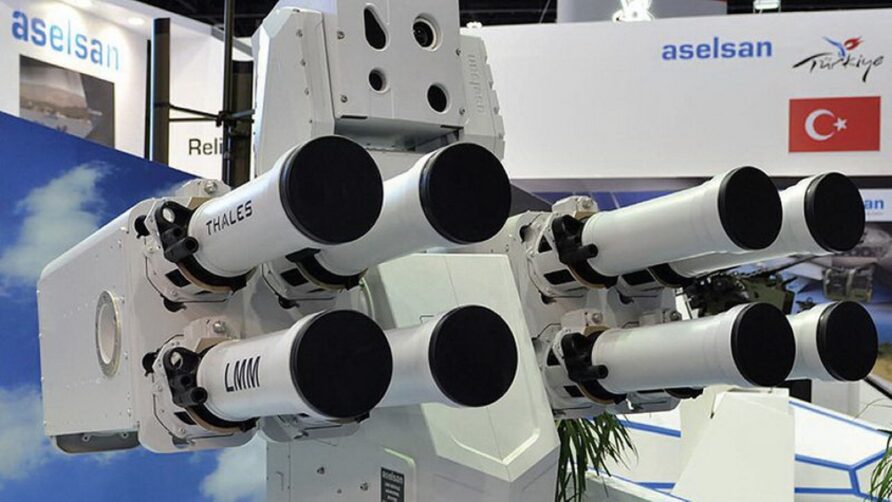
The Turkish defence manufacturer, Aselsan, also has a partnership agreement with Thales. They have created a number of different naval pedestal launchers for LMM.
To meet the requirement for a small precision munition for arming tactical UAVs, Thales initiated some work on a free-fall version of LMM and has developed the concept, showing it at various defence exhibitions on light aircraft and UAVs.
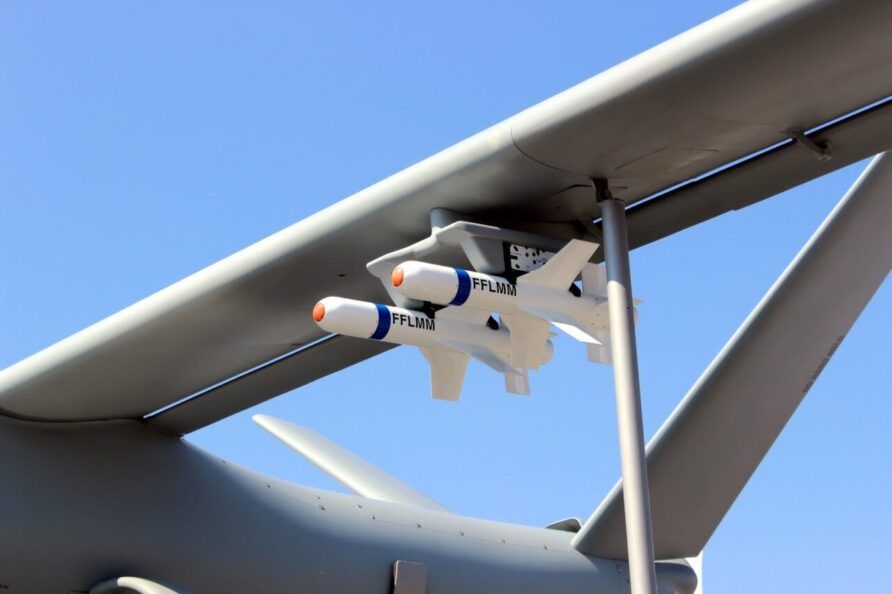
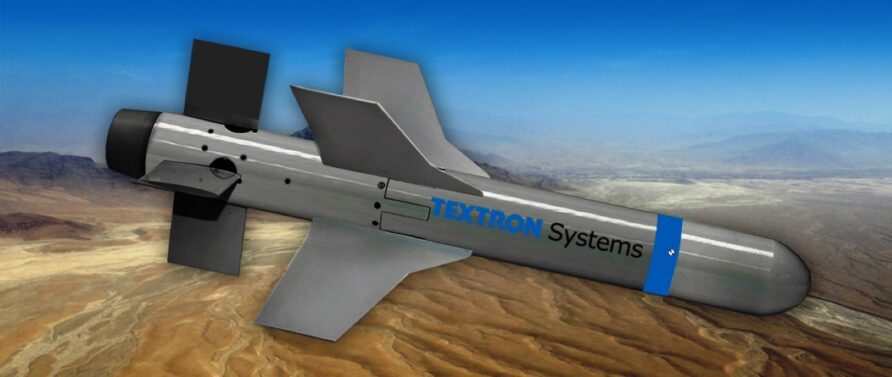
In another partnership arrangement, Textron was marketing free-fall LMM as the Fury.
In July 2016, Leonardo Helicopters awarded a contract to General Dynamics to upgrade the Stores Management System on Wildcat to enable control of Martlet and Sea Venom.
The scope of the contract included;
- Develop new safety-critical software to control the complex MIL-STD-1760 missile interfaces.
- Implement plug-and-play software architecture, which will significantly reduce the cost of integrating future weapons.
- Introduce hardware design changes to the existing SMS design to support two additional weapon stations on the helicopter.
- Design and manufacture a handheld test set to allow the helicopter electrical interfaces to be rapidly tested with the SMS Built-in-Test capability.
- Re-test and certify the overall SMS functionality in accordance with UK safety standards DEF-STAN 0055/56.
- Update the existing in-service SMS equipment to the ‘FASGW standard.
Also in July 2016, the MoD announced financial support to MBDA and Leonardo to integrate Martlet and Sea Venom on legacy Lynx aircraft to enhance export opportunities.
Initial trials were planned to commence in Q4 2016 with an in-service target of 2018.
Thales recently conducted firing trials at Royal Artillery Air Defence Range at Manorbier as part of the Integration testing phase of the Future Anti Surface Guided Weapon (Light), (FASGW(L) programme. The FASGW(L) programme includes testing of all parts of the weapon system including the Lightweight Multirole Missile (LMM), the launcher system and all key equipment of the Wildcat helicopter.
The LMM, which the Royal Navy will call Martlet when it enters service in 2020, will provide an enhanced level of protection for both service personnel in the Royal Navy and vital assets at sea, such as the Queen Elizabeth Carrier.
The trials consisted of 6 LMMs being fired from the Thales designed Launcher system at a small boat target at sea at a distance of 4.5kms. All missiles were test rounds with no warhead, but were fitted with telemetry software enabling data to be gathered to analyse the launcher, the guidance system and missile performance.
Thales released a video of these test firings.
Those with a keen eye might note the frame used for the trials is of the same design as that used for Brimstone.
It was announced that the British Army would integrate LMM with their Starstreak launch systems, namely the single canister launcher, Lightweight Multiple Launcher (LML) and FV433 Stormer vehicle.
Thales will also integrate LMM with their Rapid Ranger vehicle mount and has proposed this for Warrior and Ajax.
In 2018, an additional £93 million contract was awarded to Thales for ongoing HVM and lightweight Multi-Role Missile (Martlet) support;
The project will enhance the High Velocity and Lightweight Multi-role Missile systems which are designed to intercept a wide range of air and surface threats such as enemy drones, helicopters and armoured vehicles. The upgrades include thermal imaging which ensures the High Velocity Missile system can be used 24 hours a day and ‘Friend or Foe’ identification, which will maximise intelligence on potential threats and targets.
In July 2019, the Royal Navy announced a successful series of test firings of the Martlet LMM from a 30 mm gun mount, the Seahawk Sigma, described below.
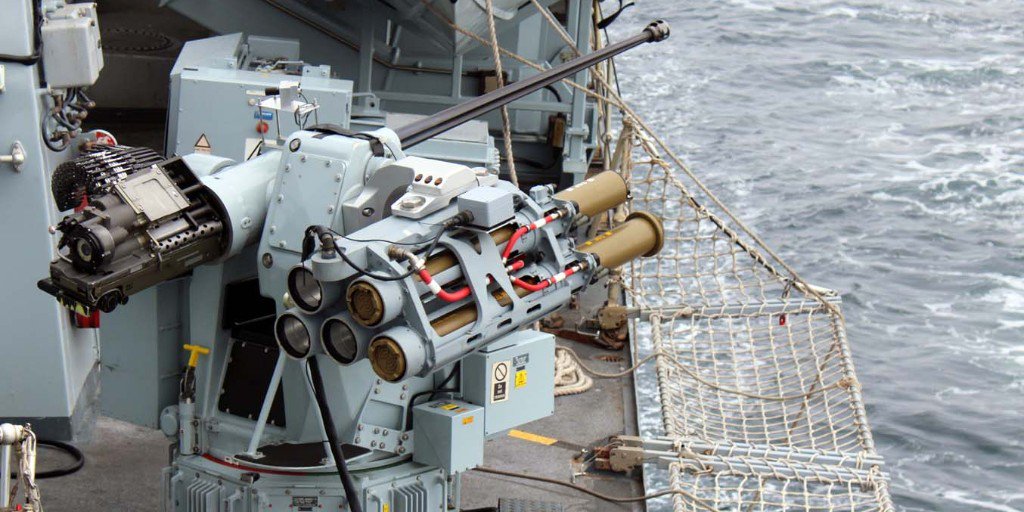
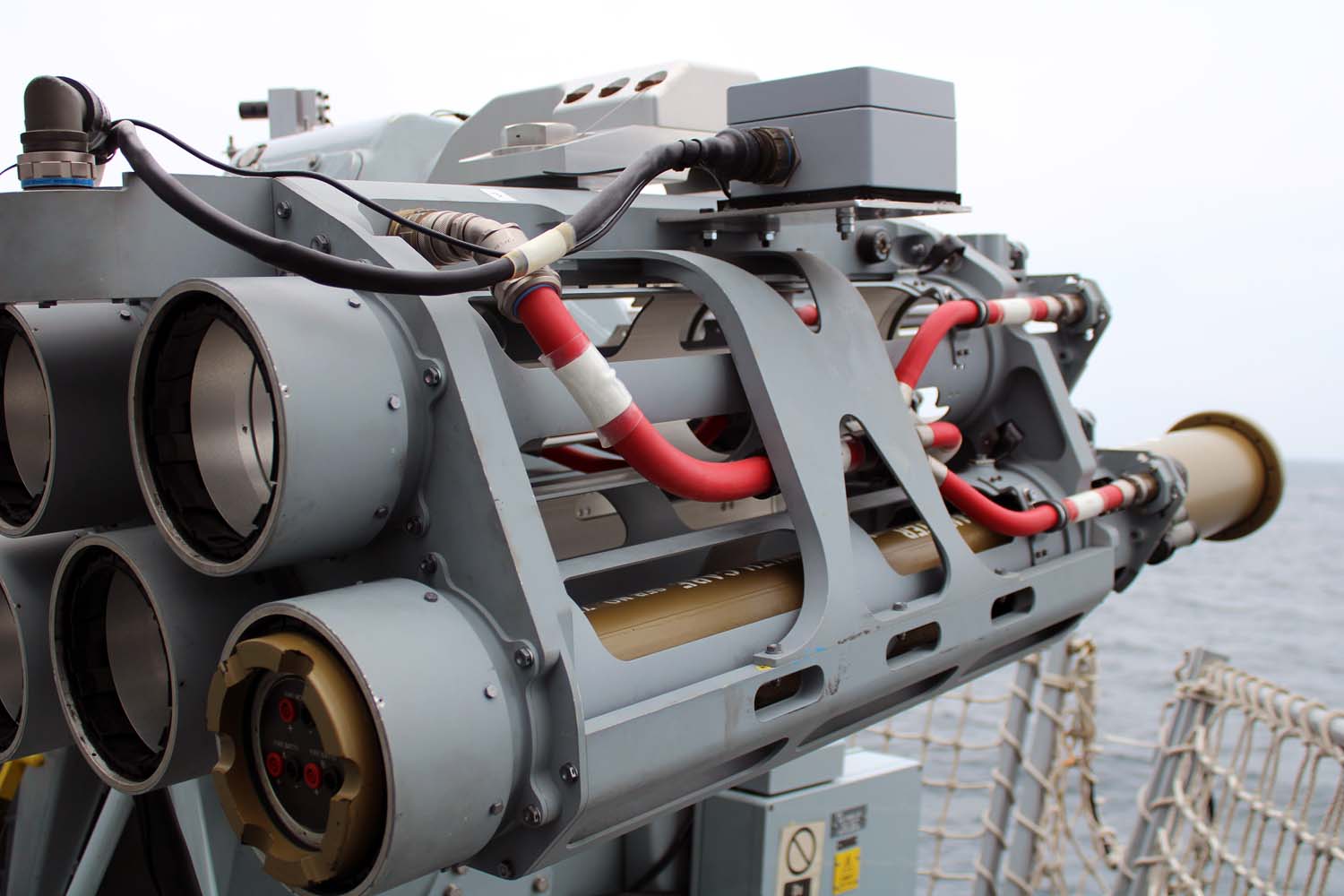
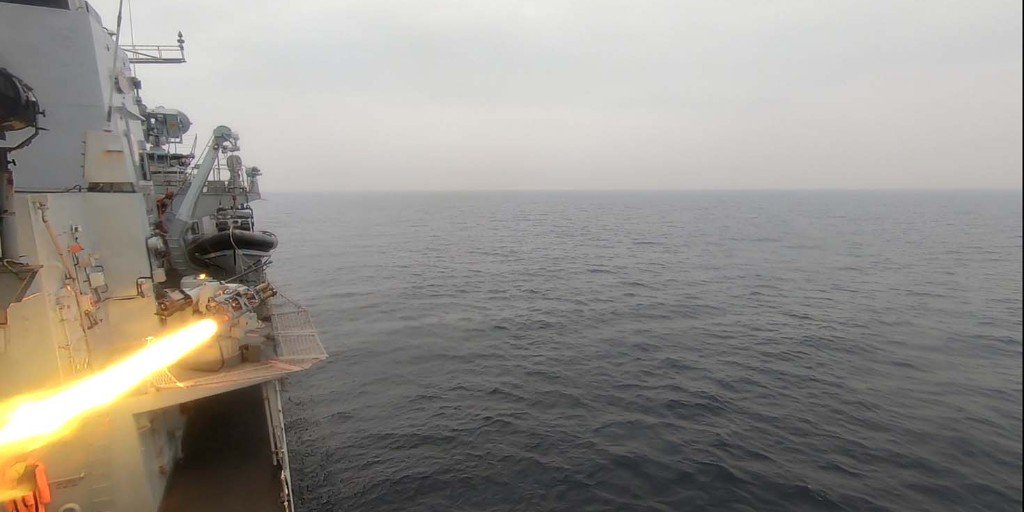
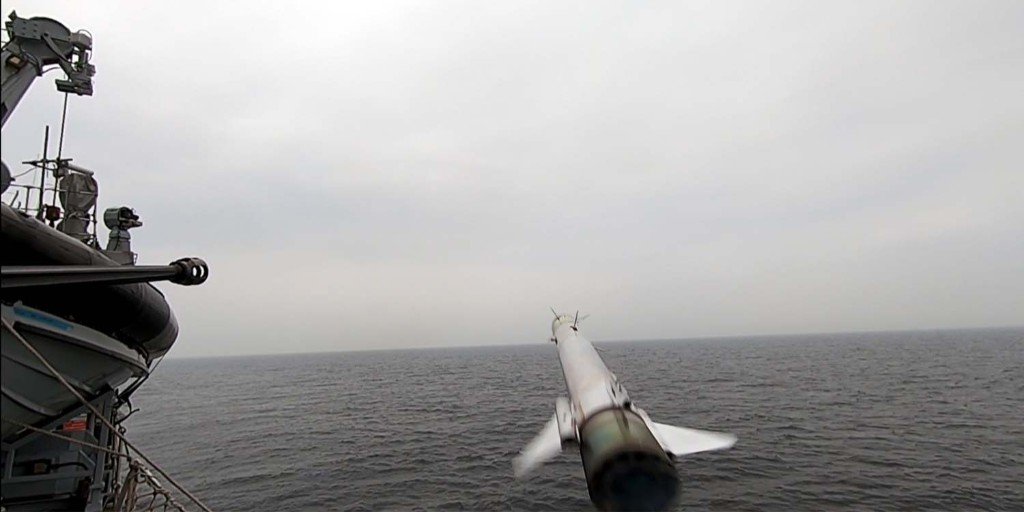
Thales commented;
Thales working with MSI Defence, demonstrated the precision strike of the Lightweight Multirole Missile from the Type 23 frigate, HMS Sutherland. Working closely with ship staff and DE&S, the Thales/MSI team successfully engaged small unmanned surface targets closing the ship rapidly and manoeuvring.
After first proving that the gun could still fire accurately with the missile fitted – 120 rounds obliterated a large red ‘killer tomato’ target – and that the sensors behind LMM could track its radio-controlled foe at ranges of up to five kilometres.
Finally, four missiles were fired – one to test the effect of LMM ‘blasting off’ from its launcher on the gun mounting and the side of Sutherland (the missile accelerates to one and a half times the speed of sound in an instant), three packed with telemetry to measure the missile’s accuracy (ordinarily the weapon carries a 3kg warhead).
July 2019 was a busy month for Martlet LMM, the Royal Marines also completed a series of test firings from the 3-round lightweight multiple launcher (LML) and shoulder-fired launcher (the same launch devices that can also be used with the Starstreak HVM)
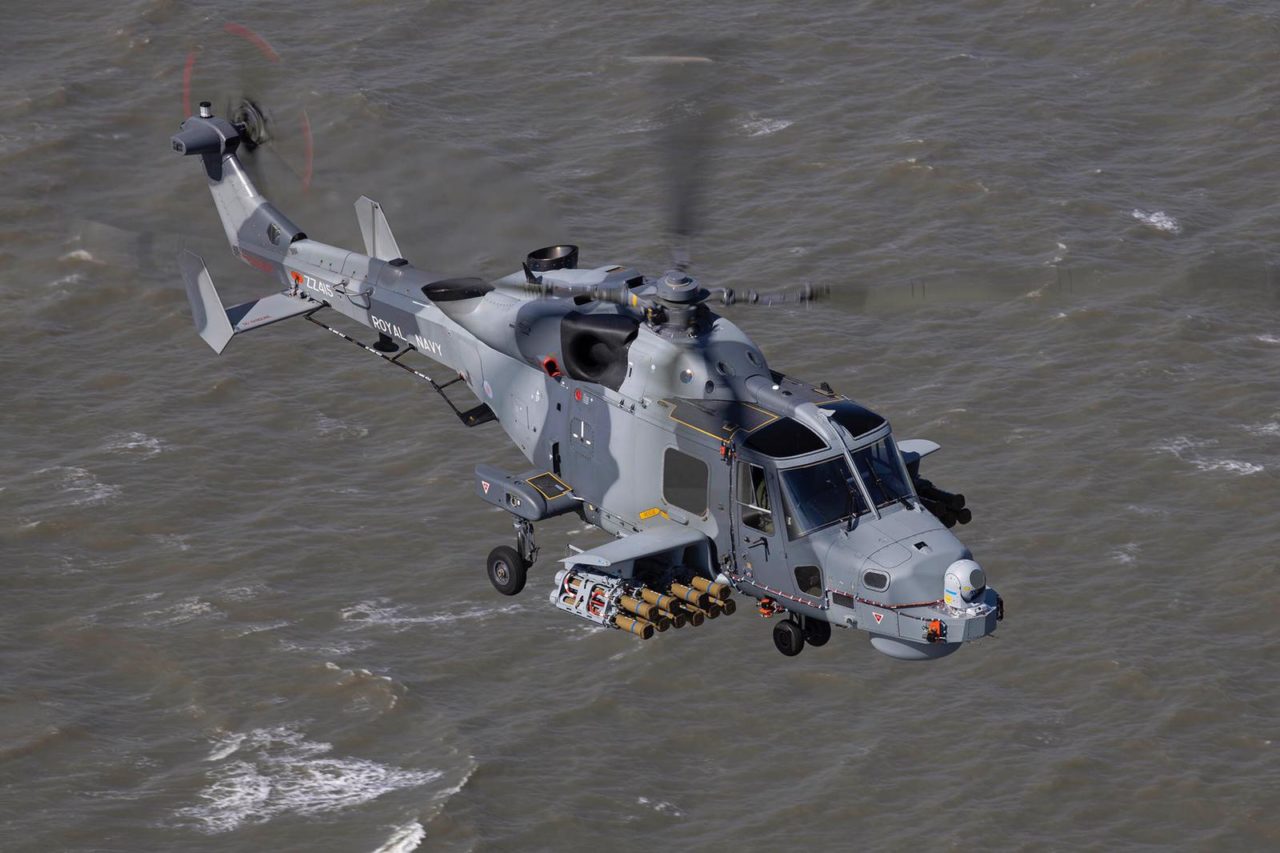
The Royal Navy, Leonardo, and Thales progressed with Wildcat and Martlet integration through 2020, with the first firing taking place in May
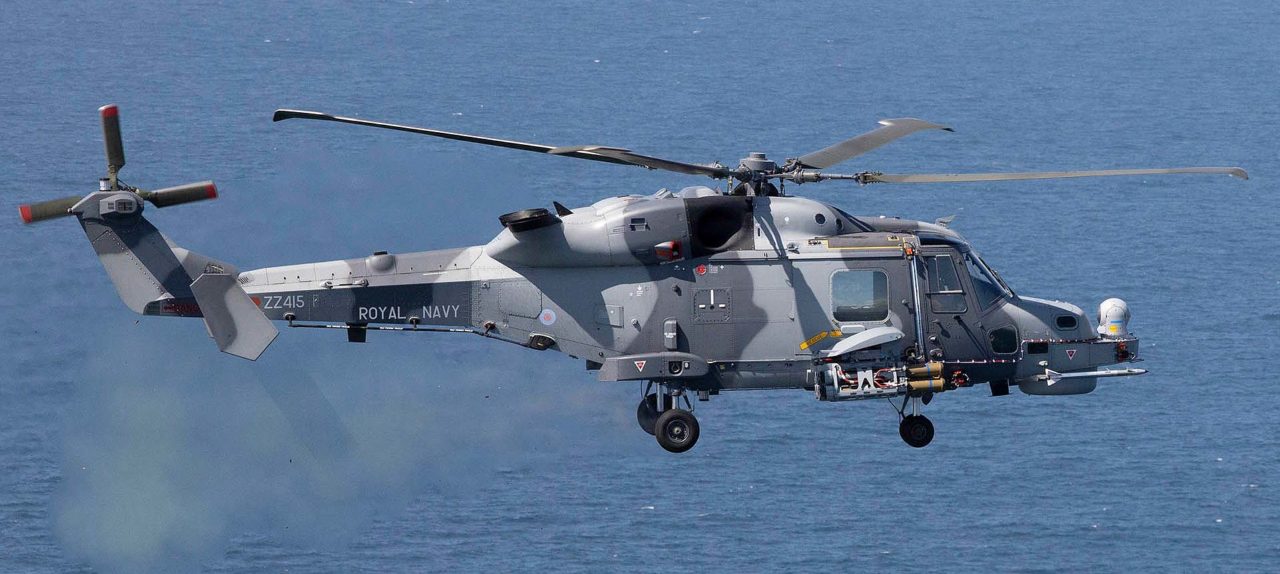
Video
The Initial Operating Capability (IOC) milestone was achieved in late 2020, two years later than originally planned.
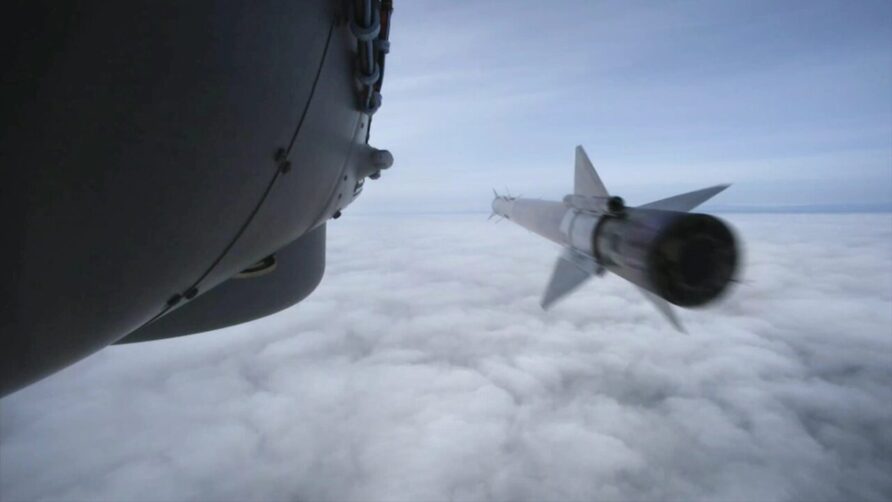
Martlet was deployed for the first time in 2021 as part of Carrier Strike Group 21.
As part of a package of support measures to Ukraine in the aftermath of the Russian invasion, the UK provided a number of LMM systems.
Video emerged of LMM being used to destroy a Russian helicopter and UAS.
Martlet was used during a US/RN SINKEX in September 2022.
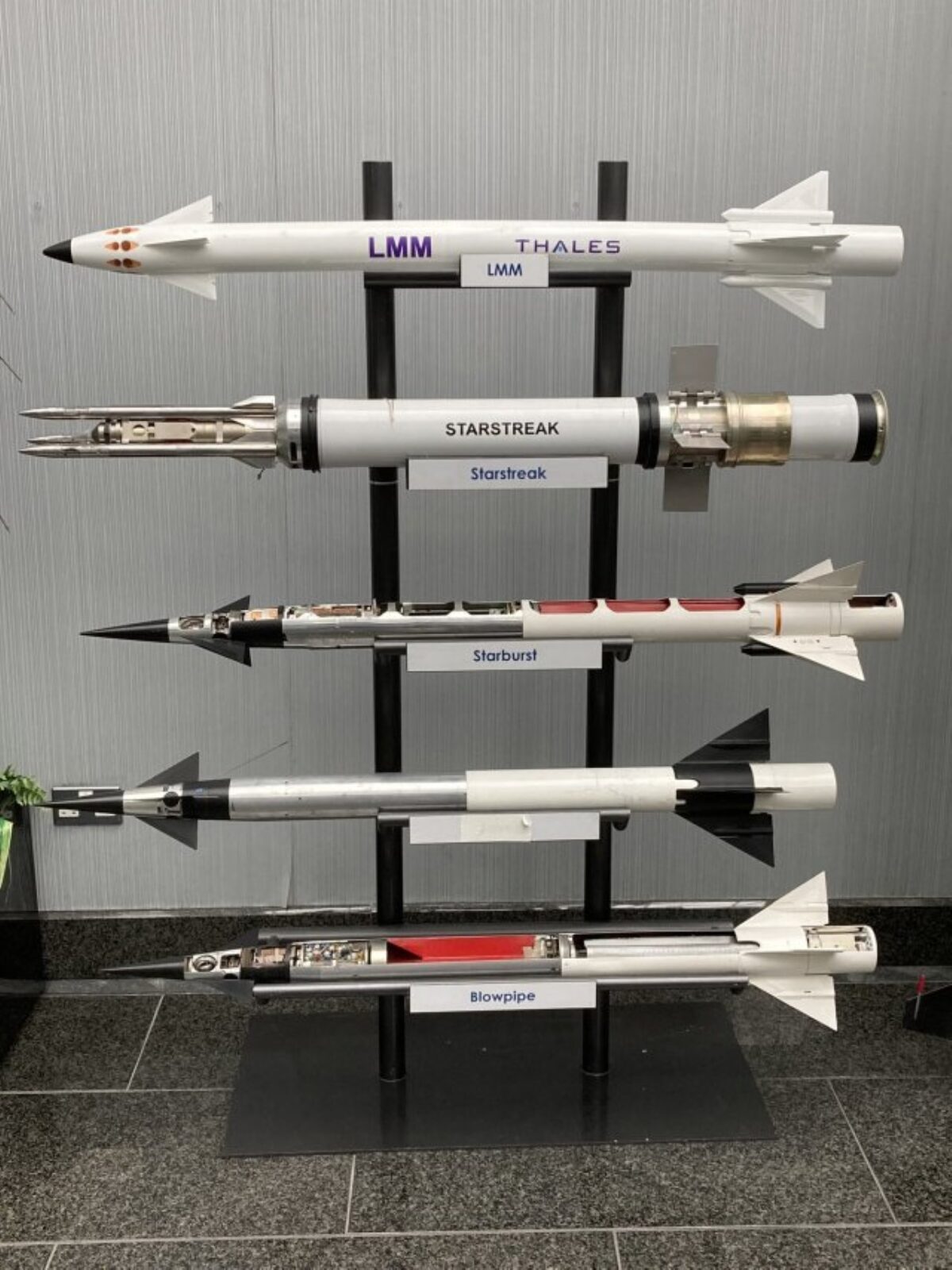
The path from Blowpipe to the Martlet can be seen in the image below.
LMM (Martlet) continued to be used in Ukraine throughout 2023.
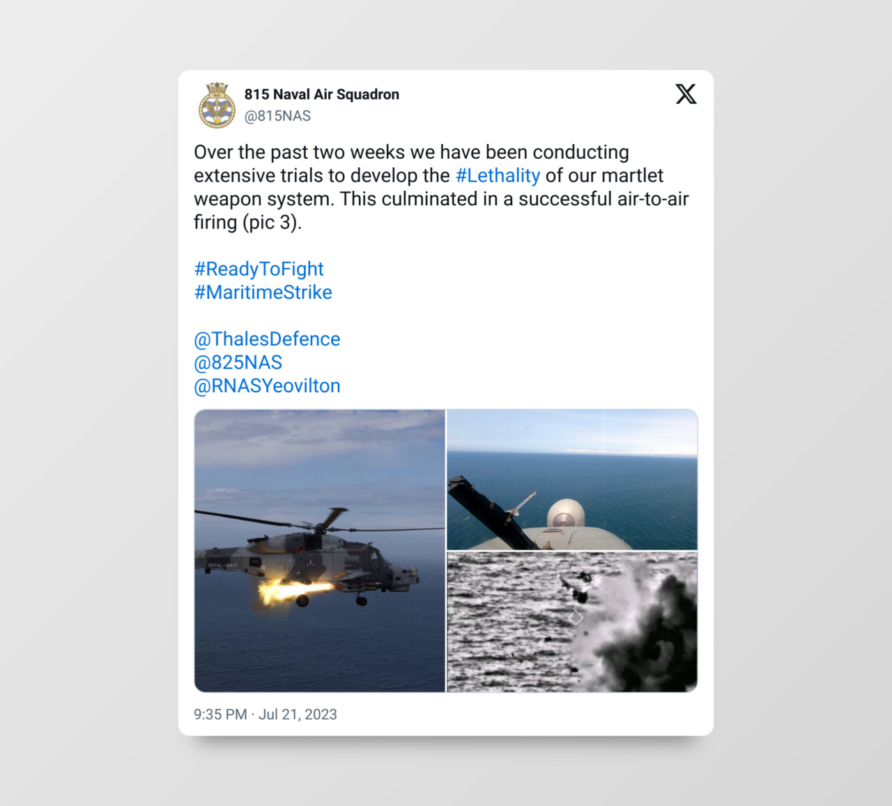
815 Squadron, Fleet Air Arm demonstrated the use of Martlet against a UAS target in July 2023.
In a written response to the Defence Select Committee report, ‘Ready for War’, in April 2024, the MoD stated
To date investments include support to deliver a large purchase of 155mm munitions, building storm shadow stockpiles, supply chain mapping, wargaming, enhancements to a range of critical infrastructure, and medical stockpiles.
In addition to these uplifts, we have placed almost £1Bn in contracts to replenish UK stocks of equipment and munitions already granted to Ukraine. Contracts have been placed to replenish UK stockpiles include Next Generation Light Anti-Tank Weapons; Starstreak High Velocity Missiles; Lightweight Multirole Missiles; Javelin missiles; Brimstone missiles; 155mm artillery rounds; and 5.56mm rifle rounds
The MoD placed an order for additional missiles in July 2024.
DE&S has ordered a significant number of Thales UK’s Lightweight Multirole Missiles (LMM) for UK Armed Forces.
The order, worth £176 million, will equip current and future short-range air defence capabilities including the British Army’s Stormer combat vehicles and Royal Navy’s Martlet maritime anti-surface missile system, deployed from Wildcat helicopters.
In September 2024, the MoD confirmed the UK would supply 650 Lightweight Multirole Missile (LMM) systems to Ukraine to boost the country’s Air Defence capabilities.
Further expanding the engagement envelope, the Royal Navy confirmed an LMM Martlet armed Wildcat helicopter had successfully engaged a Banshee aerial target drone.
The MoD confirmed a £162 million replenishment order for Martlet (Lightweight Multirole Missiles) in January 2025, with the first 650 going to Ukraine.
LMM (Martlet) Capabilities and Options #
The LMM Missile #
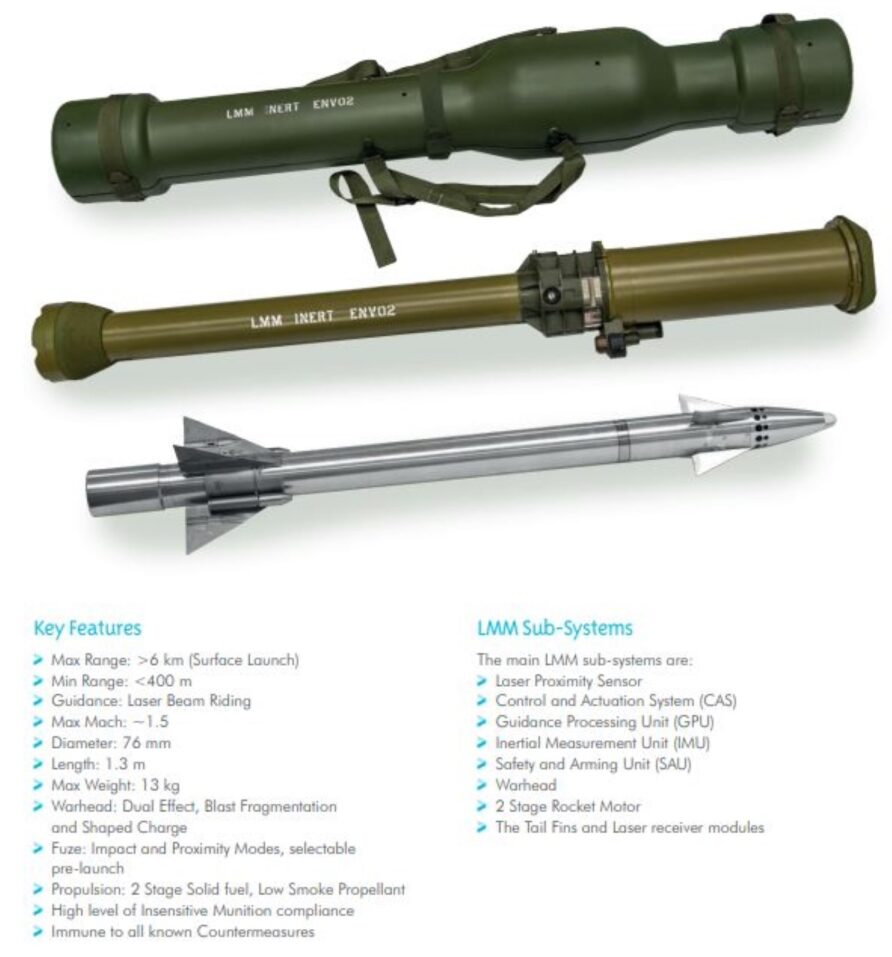
The Lightweight Multirole Missile (LMM) is just about as described.
Instead of developing aerodynamic data for a new missile design, Thales used data from Starburst as the starting point, a cost-effective and wholly sensible approach.
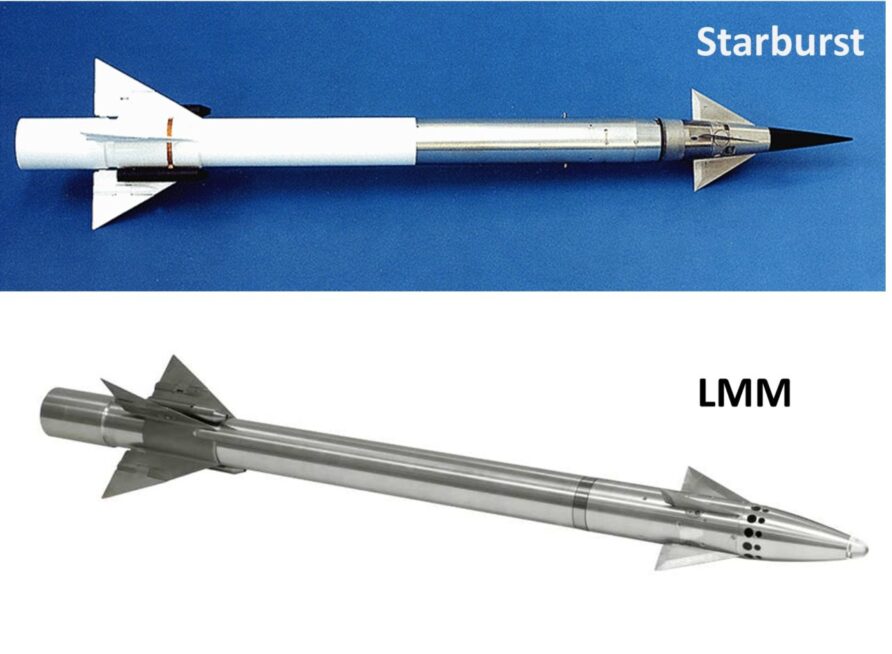
LMM weighs 13 kg, is 1.3m long and is 76 mm in diameter (wingspan of 260 mm).
It flies at a maximum speed of Mach 1.5 and has a maximum range of 8 km, a minimum range is 400m, and is propelled by a two-stage rocket motor.
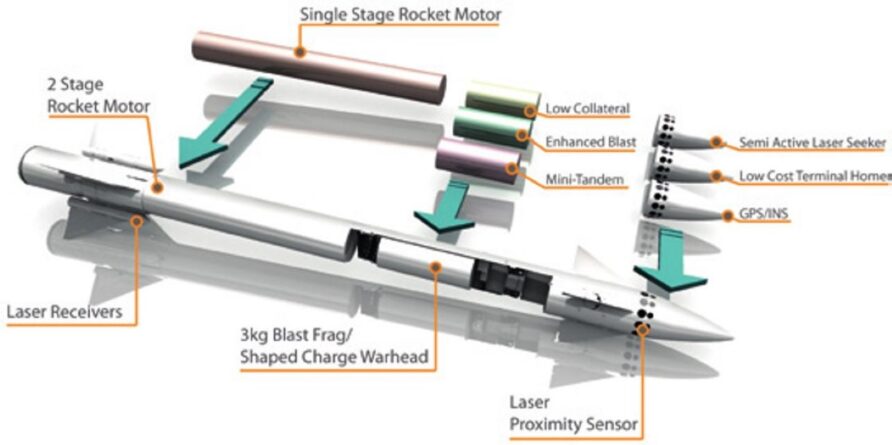
The shaped charge fragmentation warhead weighs 3 kg and is initiated by a laser proximity sensor in the nose.
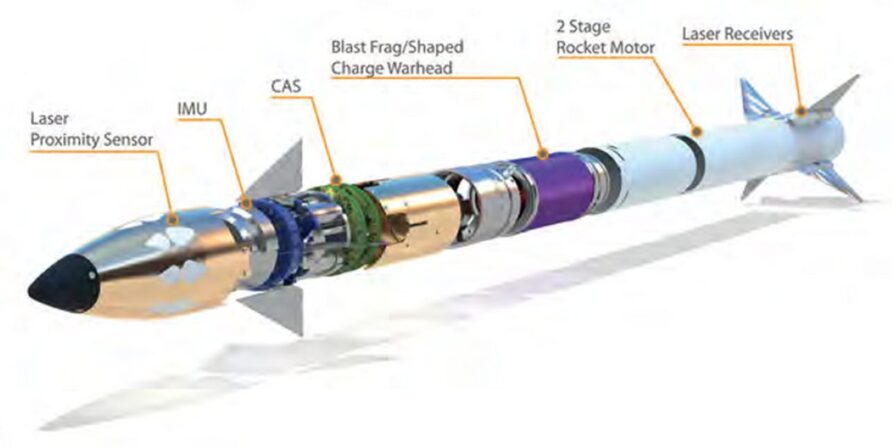
Primary guidance utilises a laser beam riding system.
The operator places the laser point on the target, and sensors in the rear of the missile guide it in. A secondary semi-active laser homing facility is also available, although it is not clear whether the version coming into service with the MoD will feature this guidance mode.
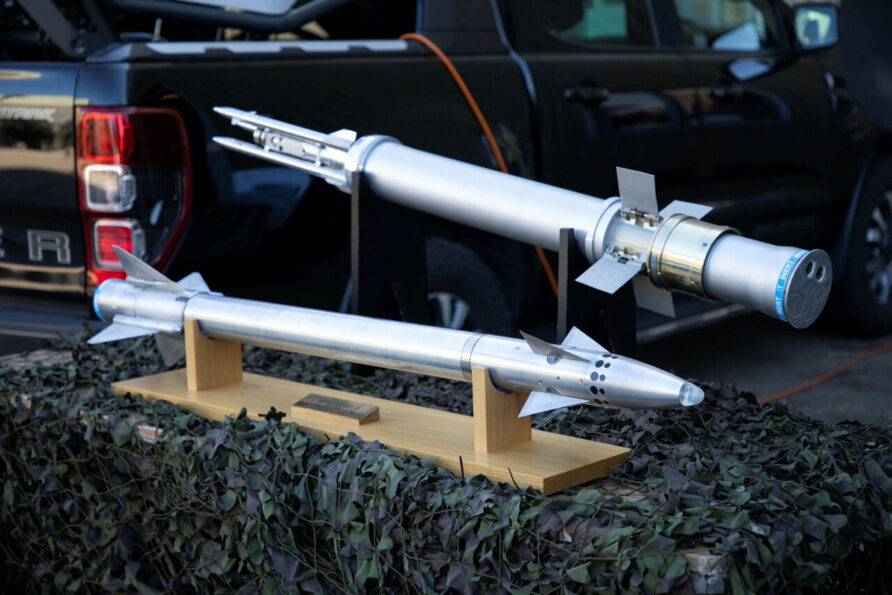
Because LMM (Martlet) and HVM (Starstreak) can utilise the same launchers, they are often mistaken for each other, but as can be seen from the image below, they are different.
LMM is certainly multirole, as was defined by the Blowpipe requirements in the mid-sixties.
Thales proposed a number of additional seeker options for LMM some years ago, but these have not progressed.
Helicopter Carriage #
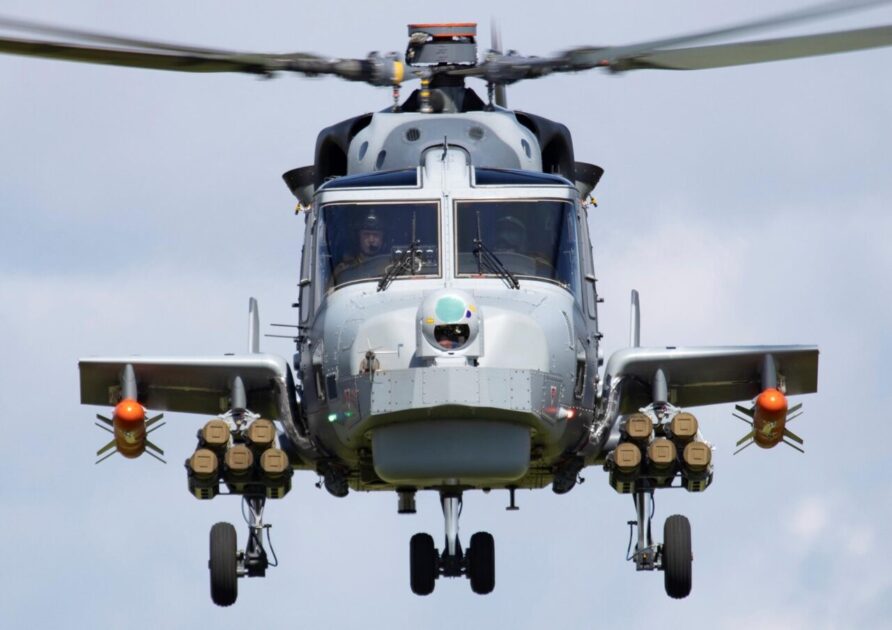
For Royal Navy service, Martlet (LMM) will be contained in a multi-tube pylon assembly for Wildcat. A number of different configurations and arrangements appeared throughout the development process, but the in-service design uses a 5 round pannier assembly, with two positions available per ‘wing’
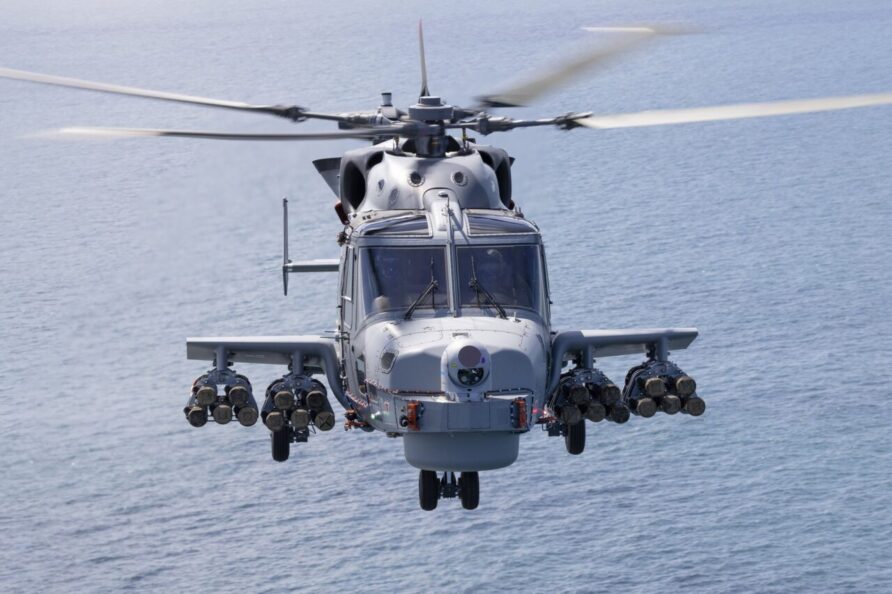
Wildcat can thus carry a total of twenty Martlet missiles or ten and two Sea Venom as a mixed load.
There are no plans for this arrangement to be used on Army Air Corps Wildcat or for LMM to be integrated on Army Air Corps AH-64E Apache attack helicopters.
Lightweight Launchers #
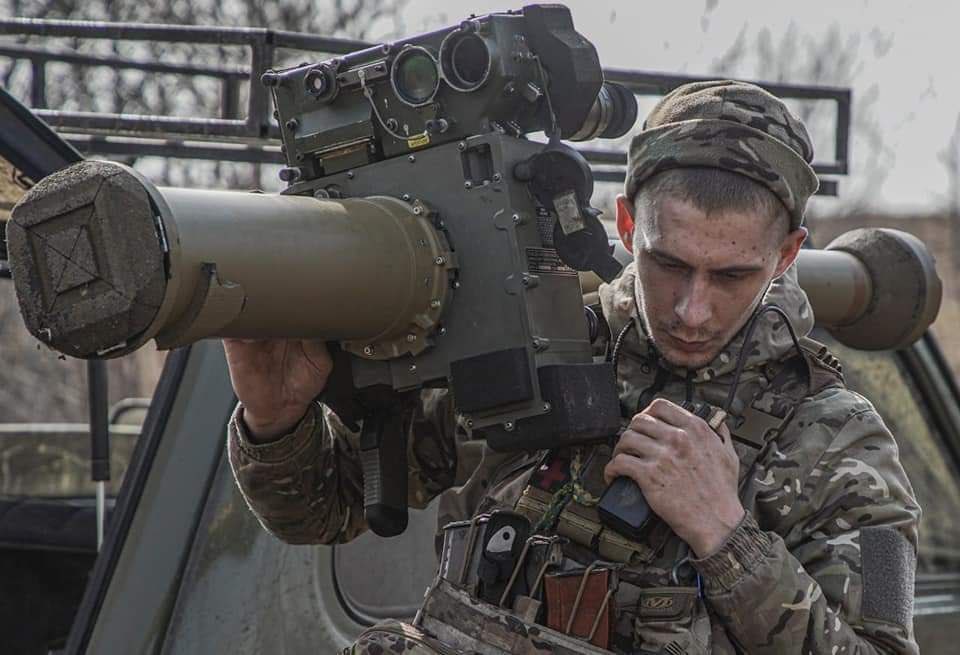
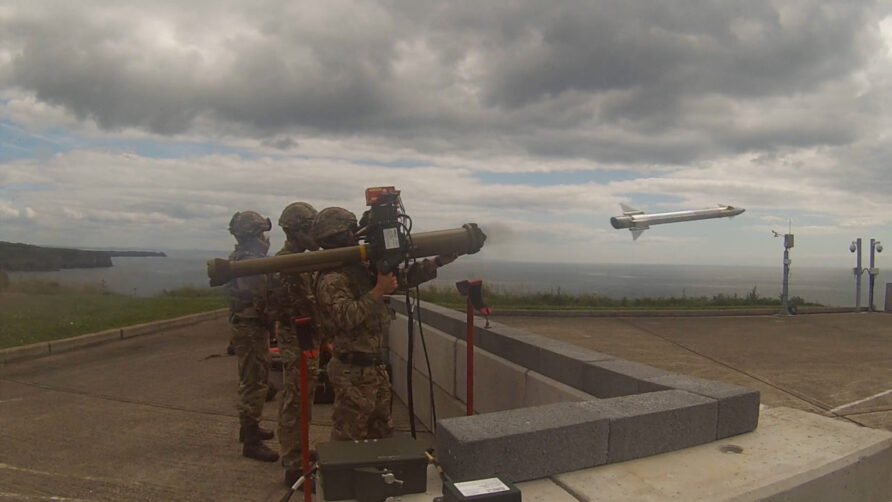
LMM can be fired from the Shoulder Launcher, as below
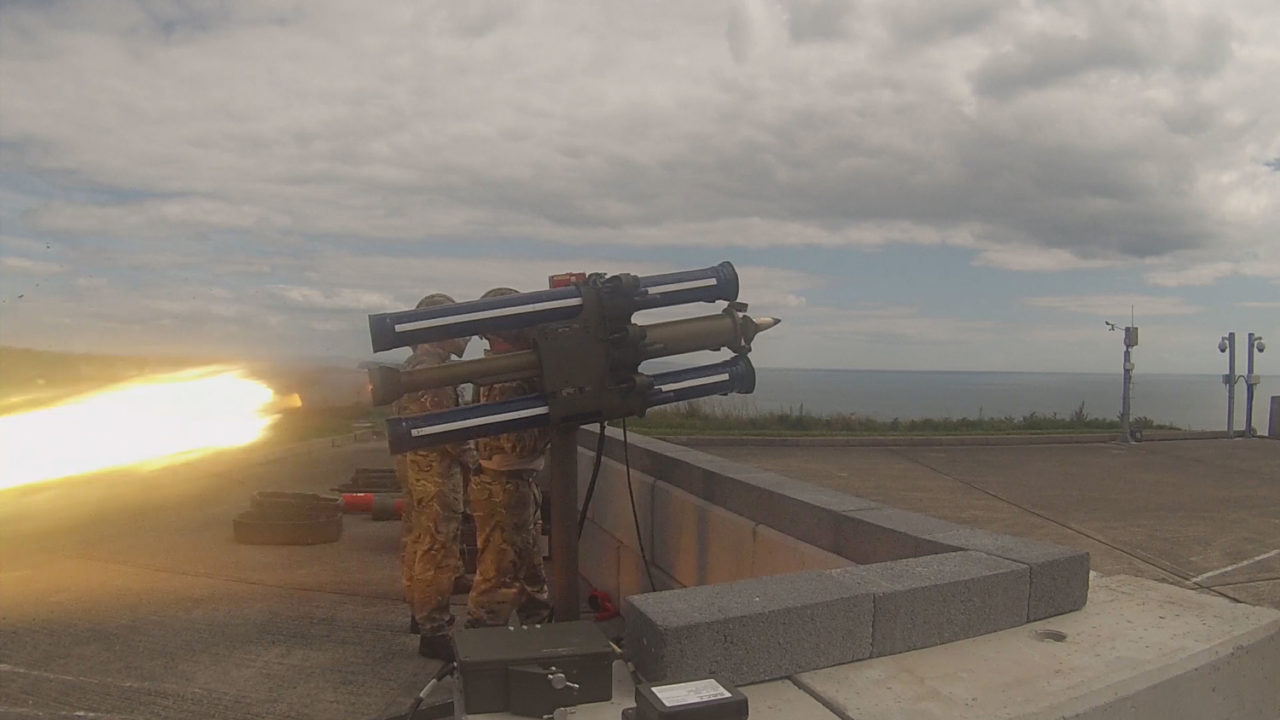
The in-service HVM LML can also be used.
Thales has developed a ‘Next Generation’ Lightweight Multiple Launcher (LML)
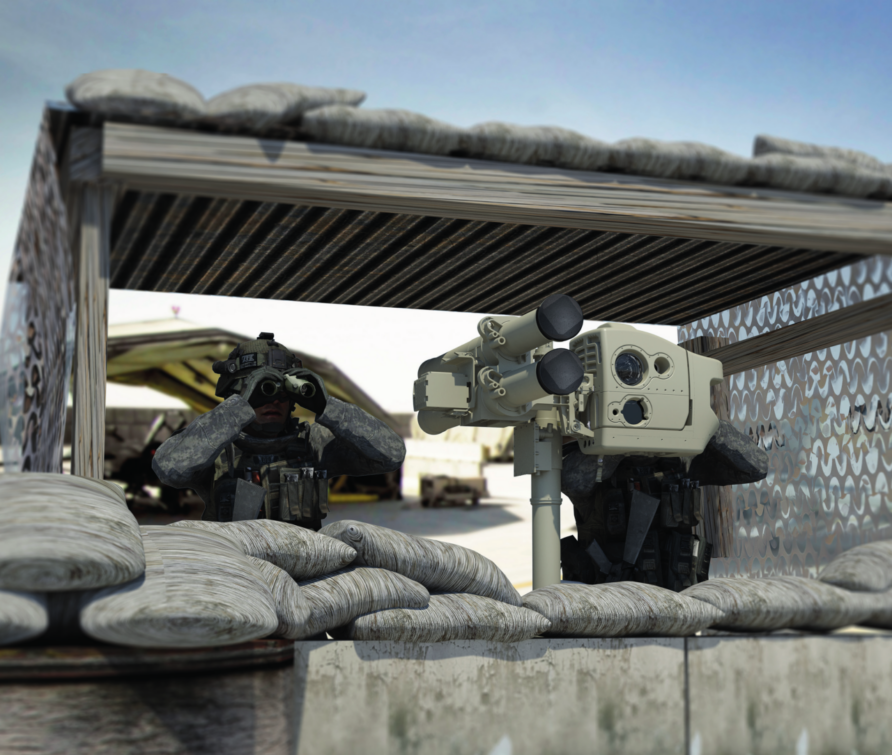
The brochures say…
The LML-NG employs two missiles, enabling targets to be engaged in quick succession.
For portability, the LML-NG is made up of three separate parts; the tripod, the head assembly and the sensor assembly. The system is prepared for operation simply by erecting the tripod, fitting the head assembly, mounting sensor assembly and putting the missiles into position. LML-NG assembly is completed in a few minutes and is then ready for firing.
The LML-NG provides a 24 hour capability based on TV and Thermal Imaging cameras. A stabilised Laser Guidance system allows highly accurate target engagements, using either manual or Automatic Target Tracking (ATT) modes. The Systems improved architecture supports linkages to a Command and Control network, to radar or passive surveillance sensors for target detection and acquisition.
The command and control information can be displayed to both the Commander and the Operator
The LML-NG can also be mounted to a light vehicle or small ship or boat.
Maritime #
For maritime applications, Thales has partnered with MSI and Aselsan in Turkey.
MSI has demonstrated a 5 missile launcher on their Seahawk SIGMA mount, a similar mount to that widely found on Royal Navy vessels, the Automated Small Calibre Gun (ASG). The LMM missiles would be used outside the range of the 30 mm cannon or in situations where a guided weapon was deemed to provide the better option for target destruction.
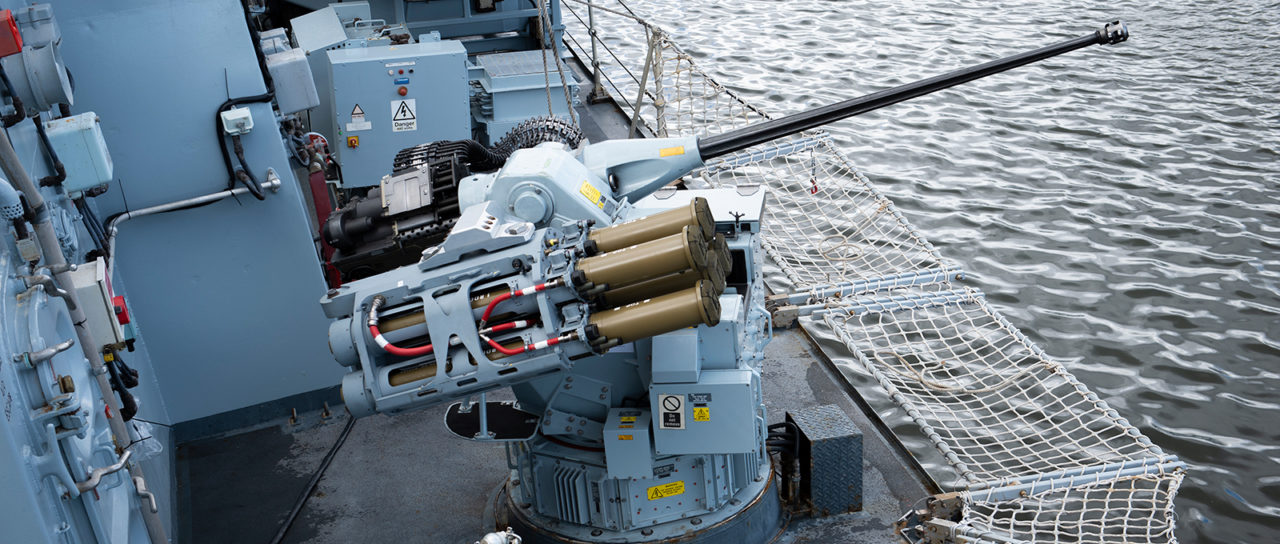
Aseslan has developed the Missile Launching System (MSL) that carries four or eight LMM in a stabilised mount, complete with an electro-optical sighting system.
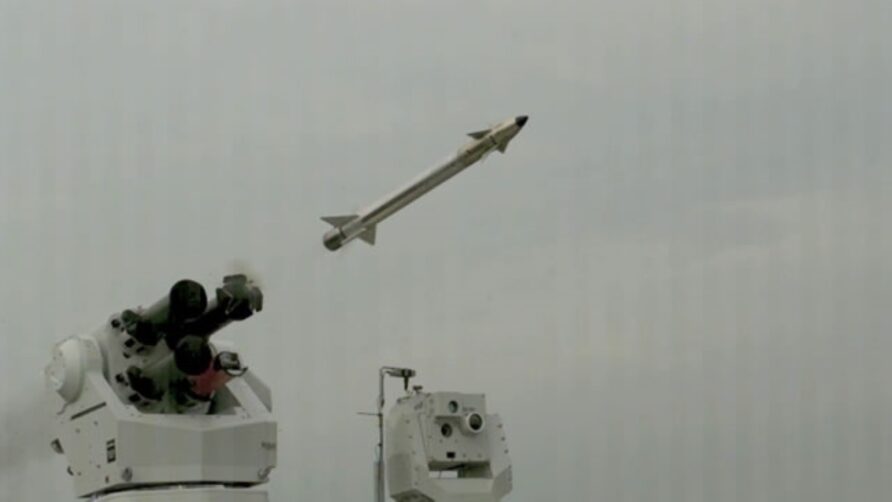
The maritime launcher from ASELSAN has now completed all qualification firings.
Free-fall #
Although Thales completed much of the initial development work on Free-fall LMM, their partnership with Textron has allowed them to integrate the Textron tri-mode fuse (point, airburst, and delay) and GPS/INS guidance module.
The 6 kg, 680 mm long free-fall LMM, once marketed as Fury by Textron, is a small guided munition that allows ISTAR focussed lightweight RPAS and aircraft to carry offensive capability, thus allowing them to attack fleeting targets of opportunity, light vehicles or mortar/rocket firing positions for example.
Free-fall munitions also provide a wider engagement envelope than forward-firing types, to the side or behind, for example.
A single standard weapon rail can carry three Free-fall LMM in a low drag tandem mounting, although other configurations have also been shown.
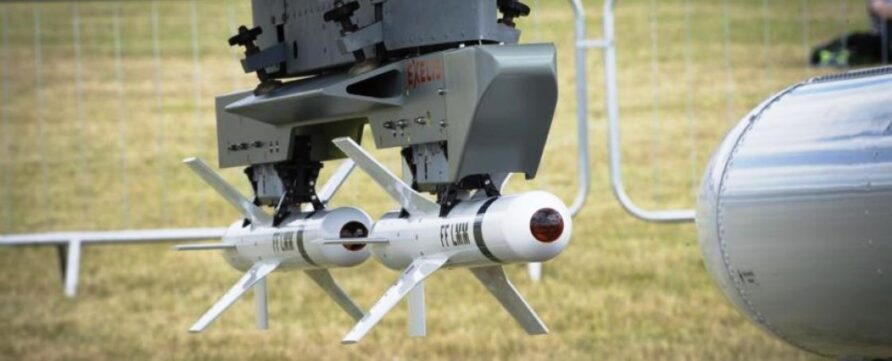
From 10,000ft (ca. 3 km), it reportedly has a range of between 4 and 5 km.
Free-fall LMM/Fury is typically used against soft-skinned vehicles and similar targets, and Textron has indicated up to 24 could be carried on a Reaper UAS.
A variation of Free-fall LMM has also been proposed as a payload of the Long-Range Area Effects Technology Demonstrator Programme.
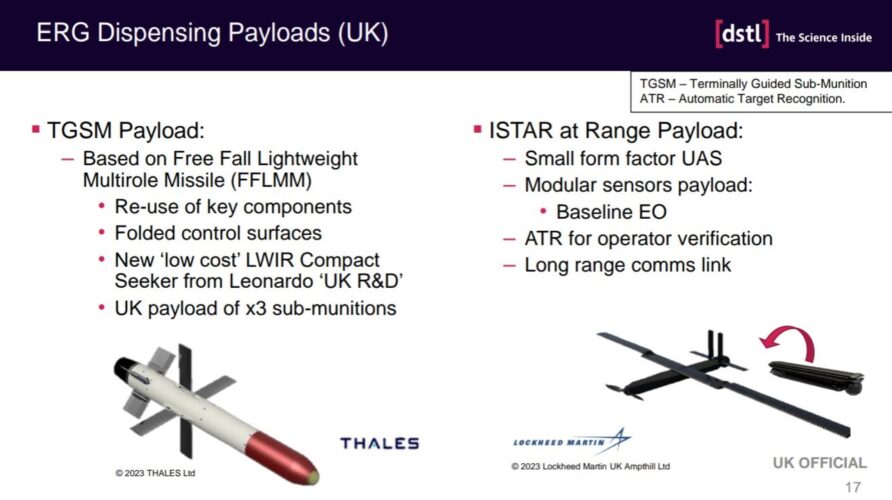
Vehicle Launched #
Thales has demonstrated firing an LMM from the Stormer HVM system, Thor, and later Rapid Ranger launch turrets equipped with an Ultra Electronics servo system. Thor became the Multi-Mission System.
The Ultra-Lightweight Vehicle Mounted Turret is shown below
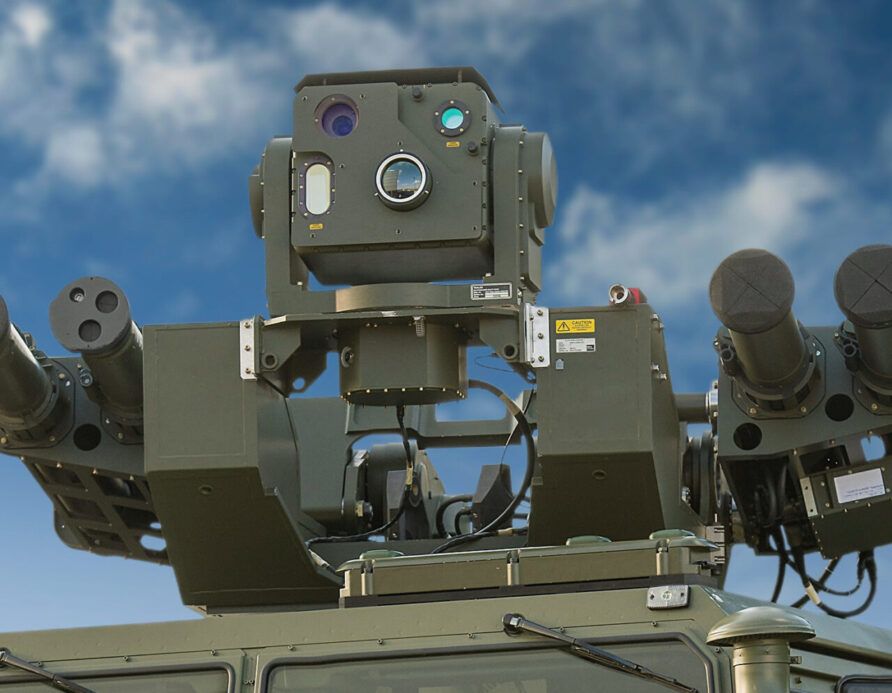
Although the UK has not formally expressed an interest in the vehicle-launched role, the emerging small UAS threat may yet see that change.
The smaller vehicle launch system is small and light enough to be mounted on 4×4-type vehicles. Although the LMM does not pack the same punch as the larger Javelin/Hellfire/Brimstone it is relatively cheap and, with the smaller warhead, better suited to some targets, a sniper team in a built-up area, for example.
Summary #
LMM is self-evidently a flexible and versatile weapon, and the ability to be fired from the same launch systems as HVM only increases that flexibility.
It has been successfully used in operations by Ukraine and is now in service with the British Armed Forces.
To wrap up, this video shows the full range of LMM firing options.
If you found value in this article, help me keep Think Defence going
Think Defence is a hobby, a serious hobby, but a hobby nonetheless. I have removed those annoying adverts, but hosting fees, software subscriptions and other services add up.
To help me keep the show on the road, I ask that you support the site in any way you can. It is hugely appreciated.
You can click on an affiliate link, Buy Me a Coffee at https://ko-fi.com/thinkdefence, download an e-book at https://payhip.com/thinkdefence or even get some TD merch at https://www.redbubble.com/people/source360/
Youtubers, if you are going to lift content from here, the decent thing to do would credit me


