
 Doc Summary

Blowpipe was a British man-portable air defence system (MANPADS) developed by Short Brothers with manual command-to-line-of-sight guidance, entered service with the British Army and Royal Marines in 1975.
Blowpipe History #
In 1966, the Royal Radar Establishment (RRE) conducted a feasibility study with three contractors to investigate the design of a system to meet the requirements of the Naval and General Staff target for a man-portable all-arms weapon for self-defence against low-flying aircraft and surface targets.
Important to note that even at this early stage, surface targets were in the requirement set.
The study concluded that the private venture Blowpipe, designed and developed by Shorts Brothers and Harland in Northern Ireland, provided the best option.
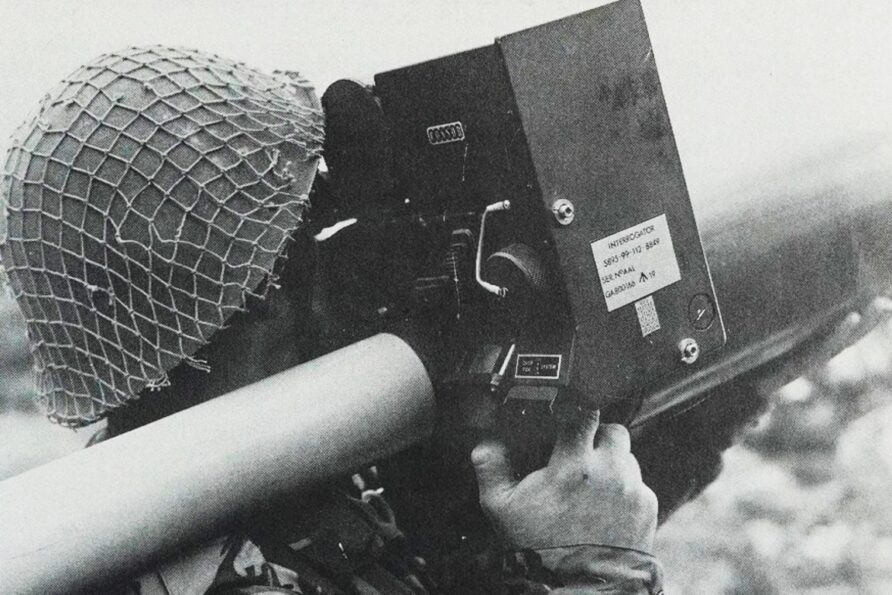
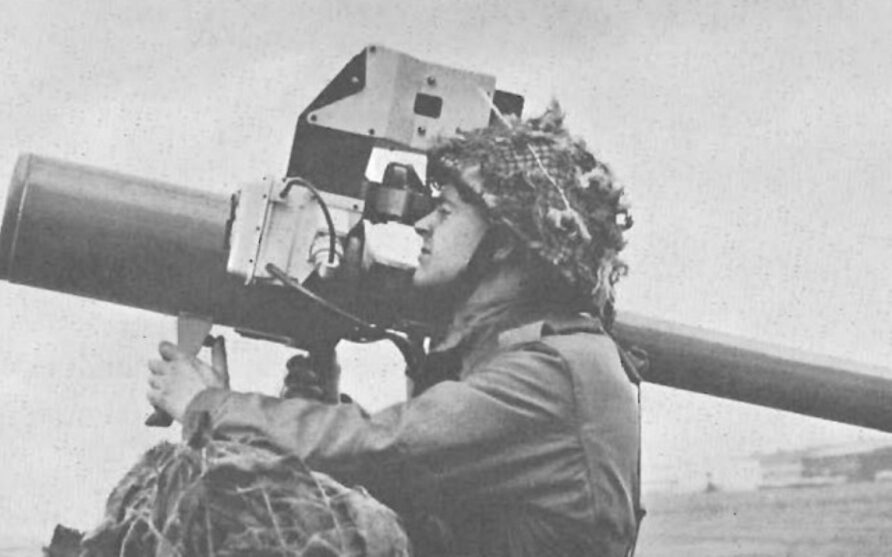
Blowpipe was a manual command line guidance missile that needed a high degree of operator skill, guiding the missile onto the target using a thumb joystick, where the proximity fuse would initiate the 2.2 kg warhead.
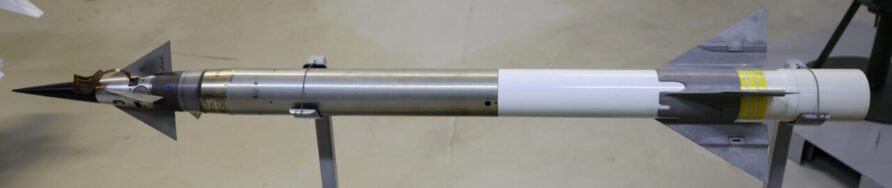
The Blowpipe entered service in 1975 with 103 Air Defence Regiment, Royal Artillery after a production order was placed in 1972.
Blowpipe was used by both Argentina and the UK during the 1982 Falklands Conflict, but neither nation achieved much success with it, only 2 aircraft kills (one each) were subsequently credited to Blowpipe despite nearly 100 being fired by each.
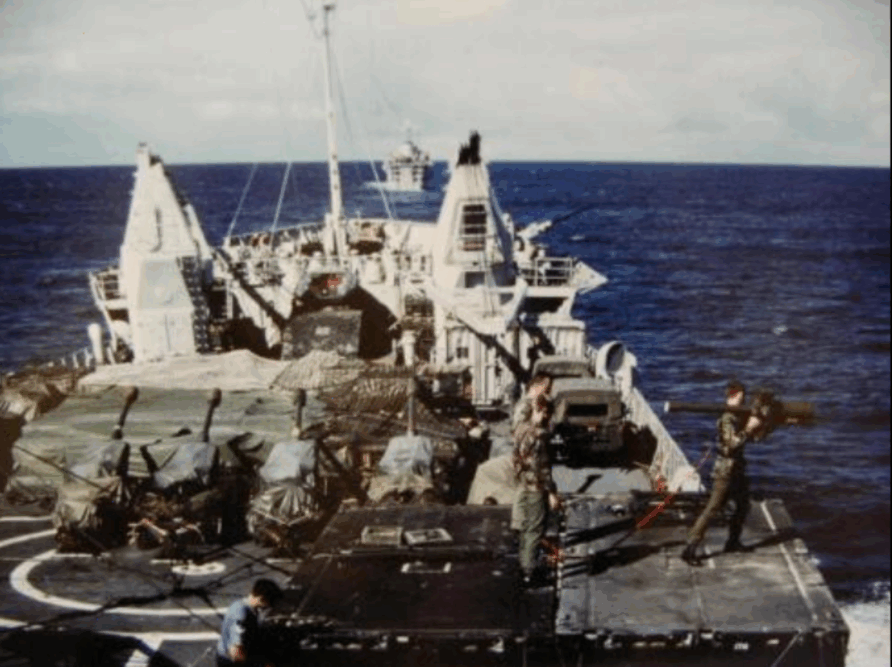
Although many criticised this performance it was relatively unfair, the engagement’s Blowpipe was designed for were very different from those encountered in 1982.
However, after the conflict, the UK recognised the deficiencies of Blowpipe and initiated a successor programme, to be called Blowpipe Mk2.
If you found value in this article, help me keep Think Defence going.
Think Defence is a hobby, a serious hobby, but a hobby nonetheless. I have removed those annoying adverts, but hosting fees, software subscriptions and other services add up.
To help me keep the show on the road, I ask that you support the site in any way you can. It is hugely appreciated.
You can click on an affiliate link, Buy Me a Coffee at https://ko-fi.com/thinkdefence, download an e-book at https://payhip.com/thinkdefence or even get some TD merch at https://www.redbubble.com/people/source360/
Youtubers, if you are going to lift content from here, the decent thing to do would credit me


