
 Doc Summary

Light Anti-Armour Weapon LAW80 was intended as a replacement for the Rocket 66 mm HEAT L1A1, more commonly known as the M72 LAW.
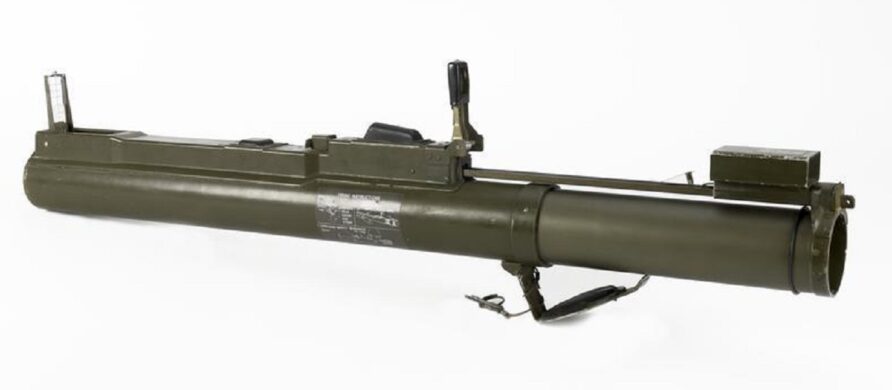
The L1A1 was considered increasingly obsolete against modern Soviet armour, primarily as a result of its fixed diameter, unlike RPG-type weapons, the launch tube diameter constrained the warhead diameter. For HEAT warheads, one of the principal means of increasing penetration is with a warhead of greater diameter.
Hunting Engineering began the development of a replacement for the L1A1 and 84 mm Carl Gustav in the late seventies. It still had an encapsulated rocket, and a disposable housing, but with an integral spotting rifle to exploit the larger rockets’ increased range over the 66 mm L1A1.
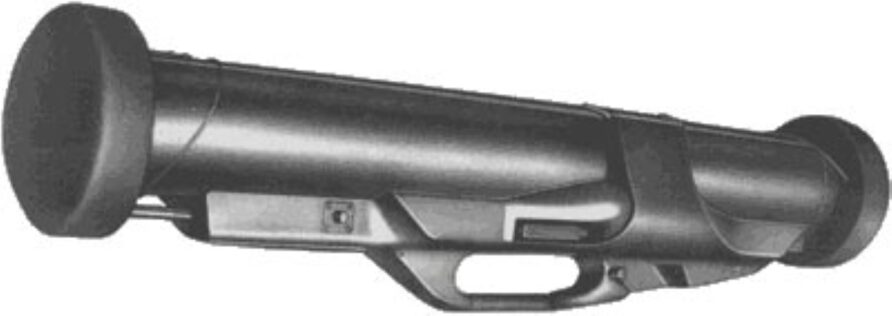
LAW80 was designed with a 94 mm diameter warhead and included a spotting rifle and a five-round magazine that fired ammunition ballistically matched to the main round. The round was 9 mm in diameter and mounted in a modified 7.62 mm NATO case with a .22 Hornet blank in the base.
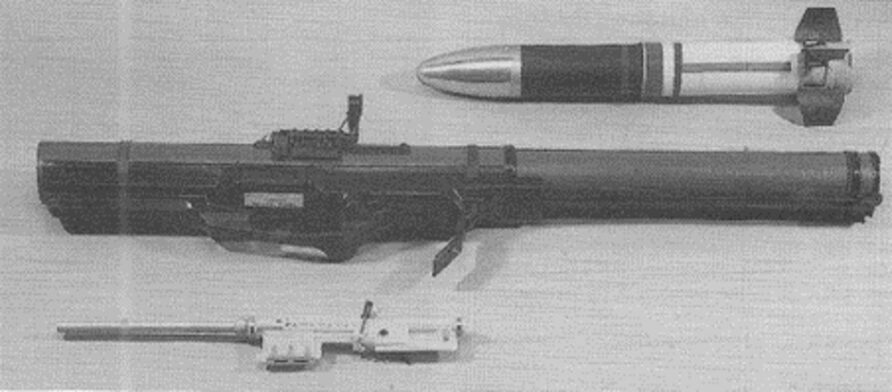
LAW80 was generally referred to as LAW-94, regarding the warhead diameter.
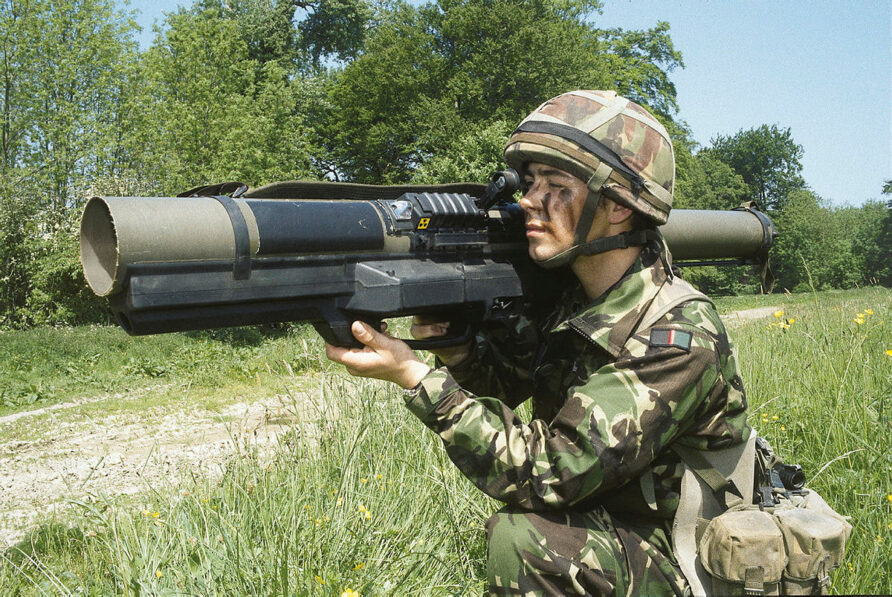
The effective range was reportedly 500m, although it would be relatively difficult to achieve a hit at this range against a moving target. If it did hit, though, the vehicle would likely be in trouble, the warhead could penetrate 700 mm RHA.
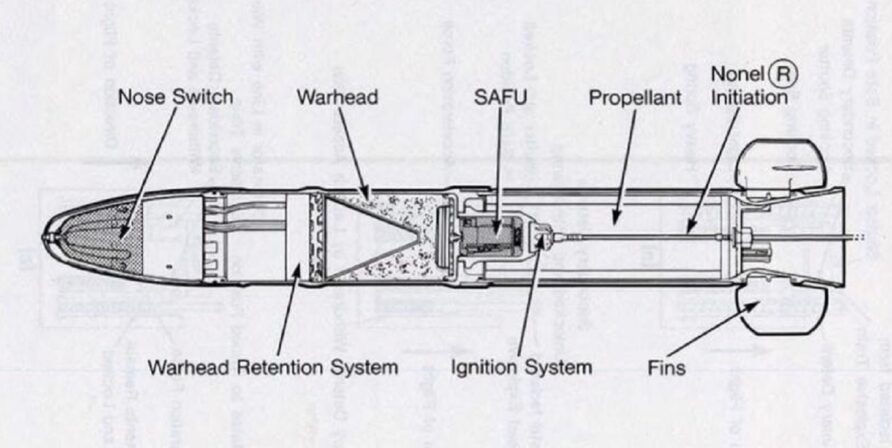
When carried, the rocket was 1m long, this was extended to 1.5m in the ready-to-fire mode. The tubes were made from Kevlar-reinforced epoxy resin that used a filament winding process, and coated in polyurethane that was co-cured with the resin matrix.
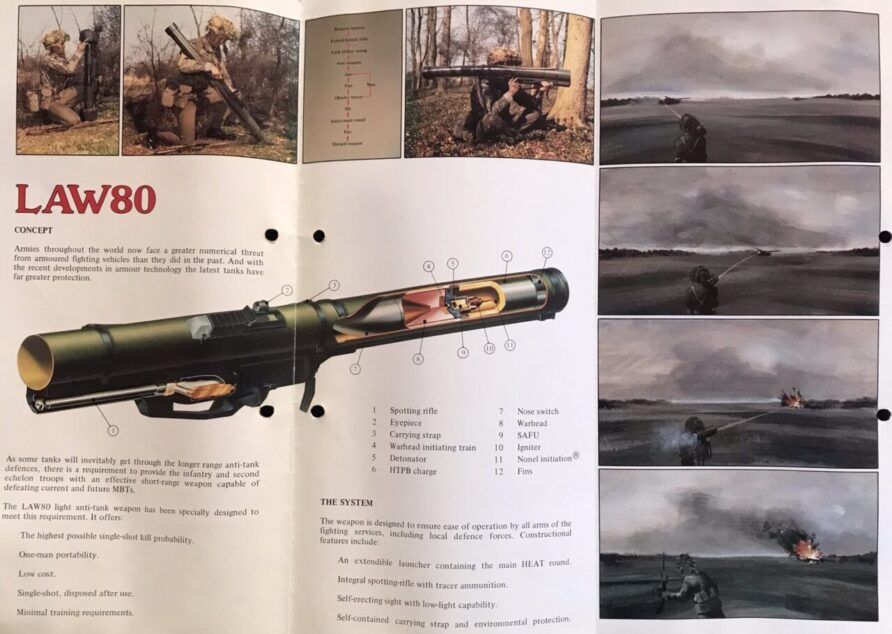
LAW80 weighed 10 kg and had a rear danger area of 10-20m.
The soldier prepares the launcher by removing the protective end caps and extending the rear tube, which contains the rocket. He then places the weapon on his shoulder, takes aim through the small optical sight, and presses the trigger to fire the spotting rifle.
The rifle is a self-loader and carries five rounds in its magazine so that up to five aiming shots can be fired. Once the soldier sees a shot strike the target he presses forward the change lever.
With his thumb and, maintaining the same point of aim, pressed the trigger to fire the rocket. The rocket motor burns out before the rocket has left the launcher, thus ensuring that the back blast is confined by the tube and directed well behind the firer.
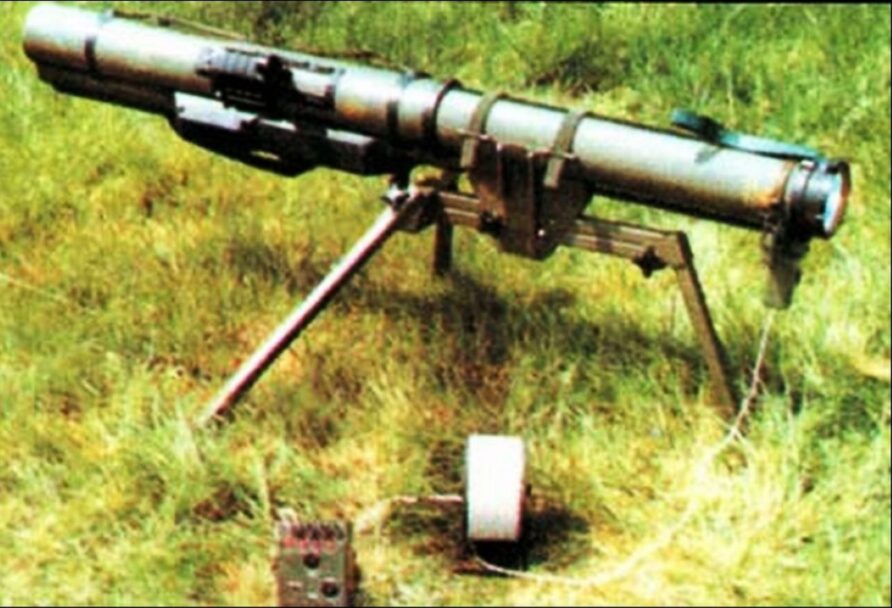
LAW80 could also be used as a command-detonated ‘off-route mine’ with a simple kit.
LAW80 was last produced in 1993.
A more complex set of off-route mine systems were developed called Addermine, Addermine/Arges, and Adderlaze.
Addermine used a sensor wire, with the weapon firing in response to a vehicle crushing or breaking it.
Addermine/Arges used a clip-on sensor that could determine the optimum firing point for specific vehicles.
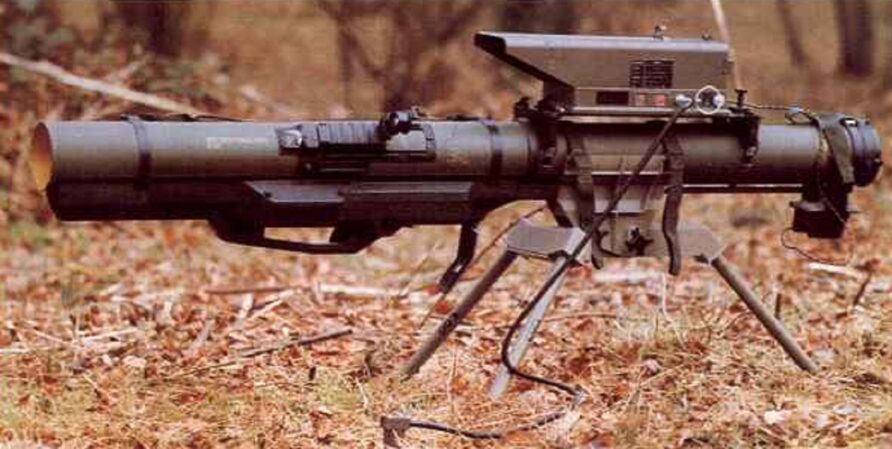
Adderlaze used a laser rangefinder and computing system that was claimed to enable targets to be engaged at up to 2,000m.
LAW80 was replaced by NLAW.
If you found value in this article, help me keep Think Defence going.
Think Defence is a hobby, a serious hobby, but a hobby nonetheless. I have removed those annoying adverts, but hosting fees, software subscriptions and other services add up.
To help me keep the show on the road, I ask that you support the site in any way you can. It is hugely appreciated.
You can click on an affiliate link, Buy Me a Coffee at https://ko-fi.com/thinkdefence, download an e-book at https://payhip.com/thinkdefence or even get some TD merch at https://www.redbubble.com/people/source360/
Youtubers, if you are going to lift content from here, the decent thing to do would credit me


