
 Doc Summary

The Sea Skua, a British lightweight helicopter-launched anti-ship missile developed by British Aerospace, armed the Royal Navy’s Westland Lynx helicopters from 1982 until its retirement in 2017.
The Egyptian attack on the Israeli destroyer Eilat (formerly HMS Zealous) from the Komar class fast attack craft using SS-N-2 (Styx) or P-15 anti-ship missiles in 1967 drew into sharp focus the reality of the threat of Soviet anti-ship missiles.
The ripples it sent through Western naval leadership were considerable, even though they should have known exactly the effect, as Warsaw Pact forces had been using them for some time.
A weapon was needed to hold a missile-armed fast attack craft at a distance, that weapon was a system, the Westland Lynx, Ferranti Seaspray Radar and British Aircraft Corporation CL 834 Missile.
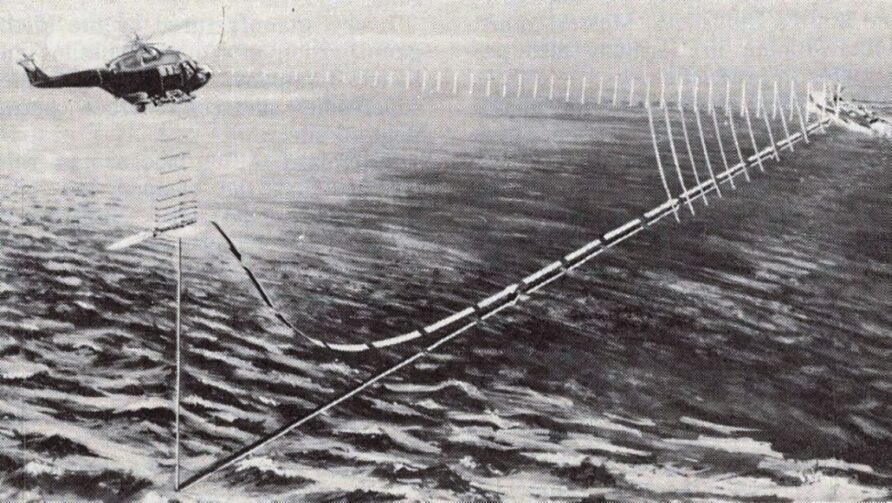
These would replace the Westland Wasp and AS12 missiles.
The CL 834 was announced in 1972 and was intended to have enough range to be fired beyond the range of any Fast Attack Craft self-defence systems and have enough punch to sink it in one.
Seaspray, Lynx and CL 834 were not developed in isolation; all three were designed to integrate to create a potent threat to the fast attack craft as so ably demonstrated by the Egyptians.
Seaspray would detect and illuminate the target for the semi-active guidance seeker in the missile to home on to.
Supplementing the Seaspray the Racal ‘Orange Crop’ Electronic Support Measures (ESM) system could also be used to provide targeting information which meant the radar could be used much later in the engagement, a valuable tactical advantage.
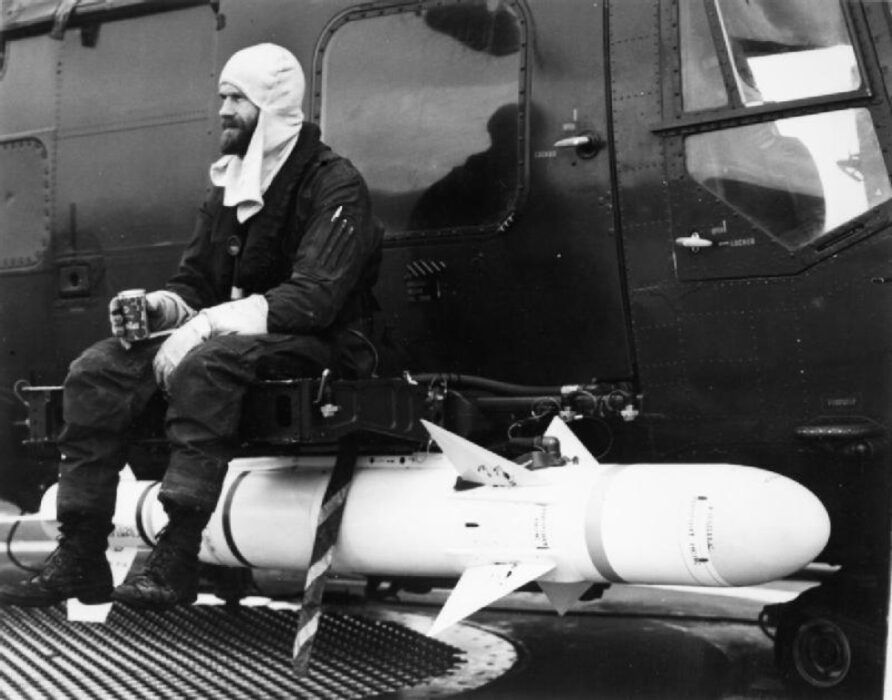
The Sea Skua was relatively compact at 2.85m long, 0.22m in diameter and weighing just under 150 kg, between two and four can be carried by a Lynx helicopter. Its semi-armour-piercing warhead weighs 30 kg of which 9 kg is the explosive material, RDX, more than enough to deal with fast attack craft and corvette-sized vessels.
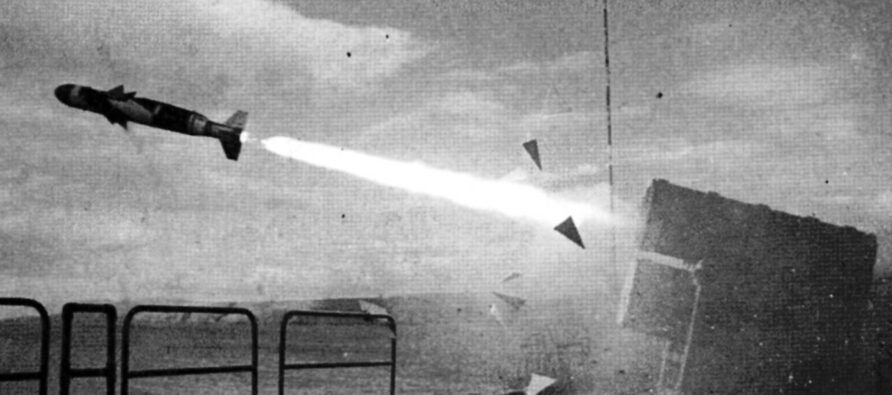
A newly developed lightweight J Band radar altimeter would allow the missile to fly at extremely low altitudes.
Arab forces would not repeat their earlier success with a sea-skimming missile, during the 1973 Yom Kippur war they reportedly fired over 50 Styx missiles without a single hit, the Israeli forces obviously being fast learners.
As the missile continued development, it was renamed Sea Skua. The first flight took place in late 1979 at the Aberporth range in Wales, and the first deliveries to the Royal Navy were made in 1981, just in time for the Falklands Conflict.
After the initial definition stage in 1972 production started in 1981 and although it was in service at the time of the Falklands conflict it was not fully in service. Of the 24 815 NAS Lynx HAS.2’s taking part in Operation Corporate, 16 were capable of firing the Sea Skua.
On the 3rd of May, a Lynx from HMS Coventry launched several Sea skuas against the ARA Alferez Sobral.
Click here for an account of the attack in Spanish.

Whilst searching for the downed crew of an Argentine Air Force Canberra, a Sea King spotted her and after a short burst of gunfire from the ship it retired and sought help. Two Lynx armed with Sea Skua were launched from HMS Coventry and HMS Glasgow, who both attacked, twenty minutes apart.
Significant damage was done, but she eventually limped back to port a couple of days later.
In 1990, British Aerospace and Ferranti funded a demonstration of a ship-launched Sea Skua onboard the patrol craft the Verifier (designed by Amgram).
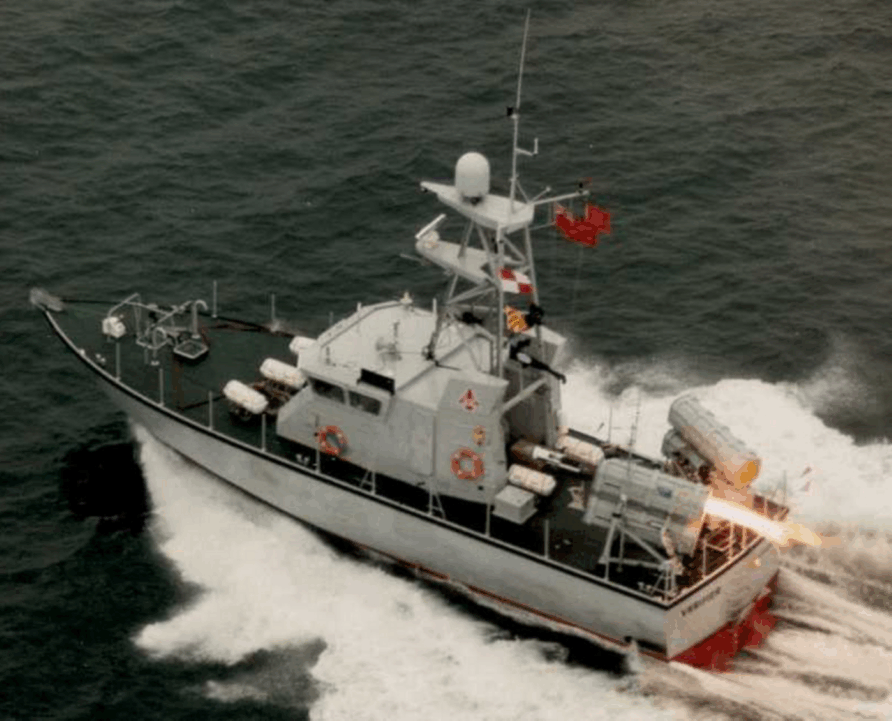
This confirmed Sea Skua could be fired and guided to the target from a small fast attack craft.
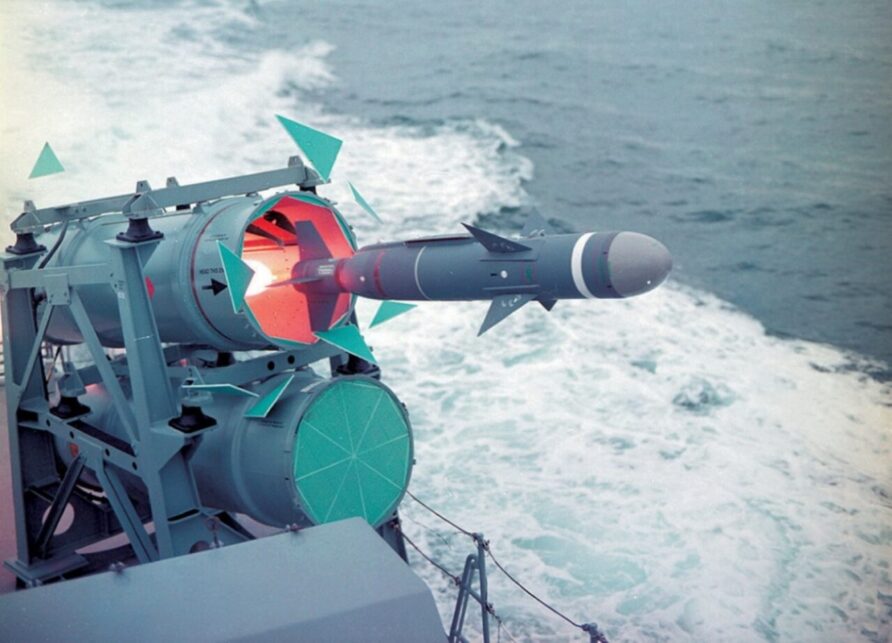
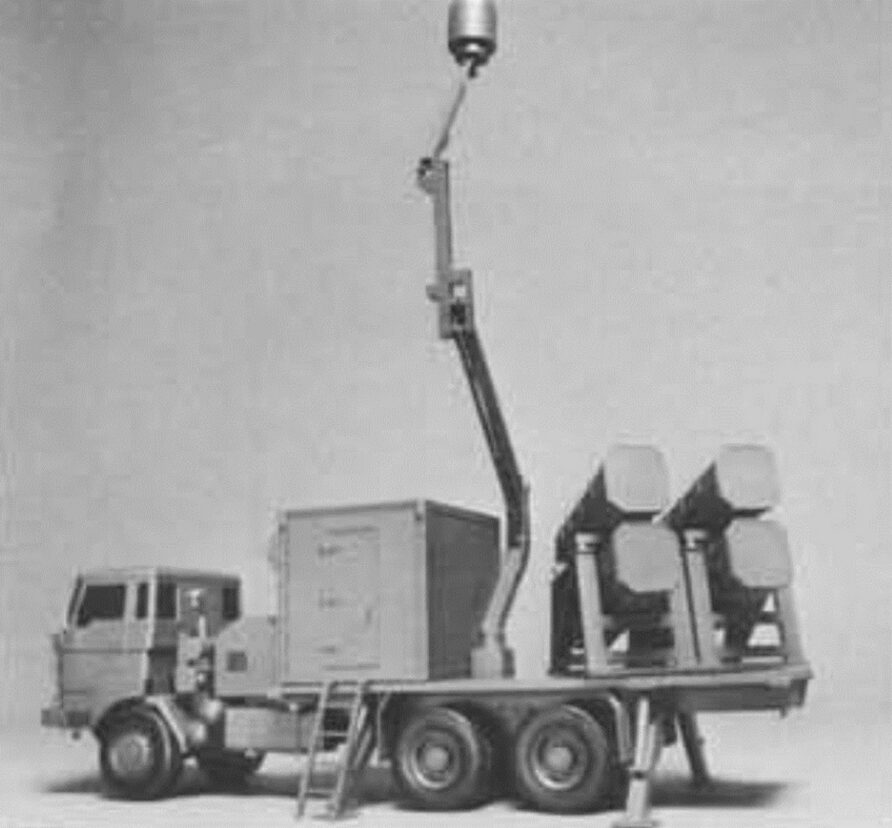
A ground-launched coastal defence variant was also developed.
An ashore defence system was also proposed.
The next major outing for Sea Skua was during the 1991 Iraq War, where Sea Skua would be used by the Royal Navy to sink 4 Iraqi patrol boats and severely damage at least 12 other small vessels including minesweepers and landing craft.
The Gulf War operation was interesting for several reasons; it validated the Royal Navy’s insistence on maintaining an effective capability against small craft through a combination of equipment and training.
In an unusual situation, it found itself in a position of possessing a capacity unavailable to the US Navy. Although the US had purchased the much larger Kongsberg Penguin missile, it was not used by helicopters at the time.
Operating with USN SH-60s proved to be a good partnership.
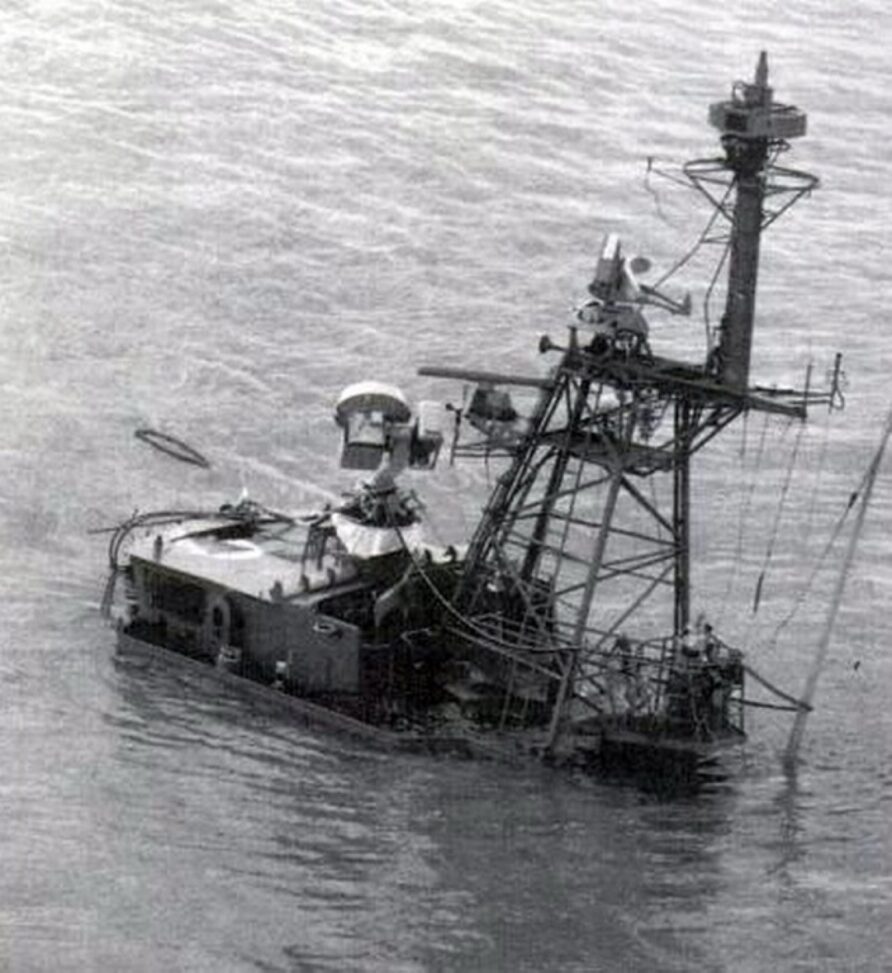
The infamous ‘Bubiyan Turkey Shoot’ saw many Iraqi vessels caught in open water and severely damaged over a period of days, read more here about the 18 hits from 25 Sea Skua launches.
There have been a number of small incremental upgrades and the replacement of the energetics to extend its useful life at a total cost of some £13m. However, the project was getting long in the tooth by the time the Future Air to Surface Guided Weapon (Heavy) project was announced.
Like Baseline Brimstone and Dual Mode Brimstone, the principal driver for change was the need for increasing positive verification of target identification in cluttered environments.
Sea Skua was replaced by Sea Venom
If you found value in this article, help me keep Think Defence going.
Think Defence is a hobby, a serious hobby, but a hobby nonetheless. I have removed those annoying adverts, but hosting fees, software subscriptions and other services add up.
To help me keep the show on the road, I ask that you support the site in any way you can. It is hugely appreciated.
You can click on an affiliate link, Buy Me a Coffee at https://ko-fi.com/thinkdefence, download an e-book at https://payhip.com/thinkdefence or even get some TD merch at https://www.redbubble.com/people/source360/
Youtubers, if you are going to lift content from here, the decent thing to do would credit me


