
 Doc Summary

Two years after the Javelin entered service, in 1986, Shorts began the development of the Advanced Javelin, later renamed it to Javelin S15.
Javelin S15 incorporated a laser beam riding system.
The first firing trials took place towards the end of 1986, development was completed in 1989, and production for the British Army started the same year.
Starburst #
Starburst, was the name eventually given to the Javelin S15 (Advanced Javelin)
The laser beam riding conferred a high degree of countermeasures immunity, again, building on the original operating concept for Blowpipe of being capable of head-on engagements.
In addition to Shoulder Launched (SL), three lightweight launchers were developed for Starburst; Lightweight Multiple Launcher (LML), Vehicle Multiple Launcher (VML), and Naval Multiple Launcher (NML). These lightweight launchers could also be fitted with a Starlite thermal imager.
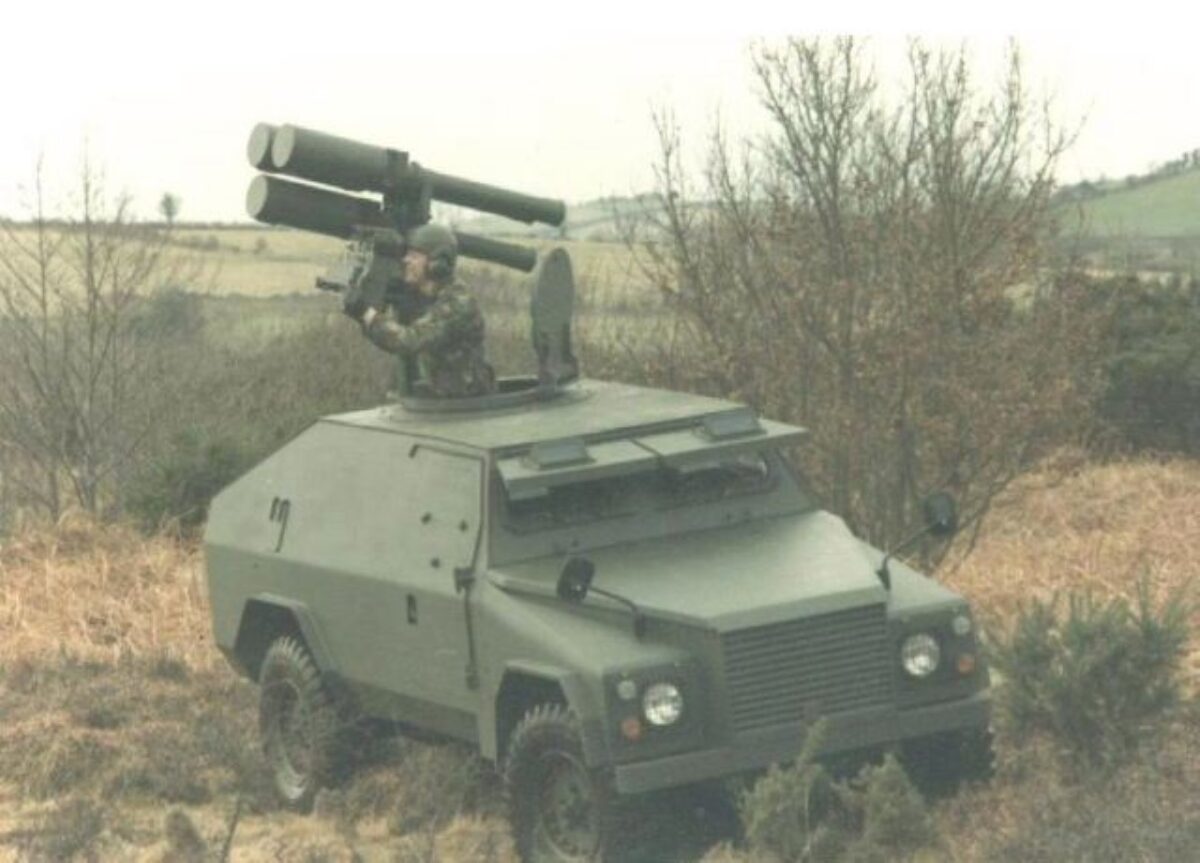
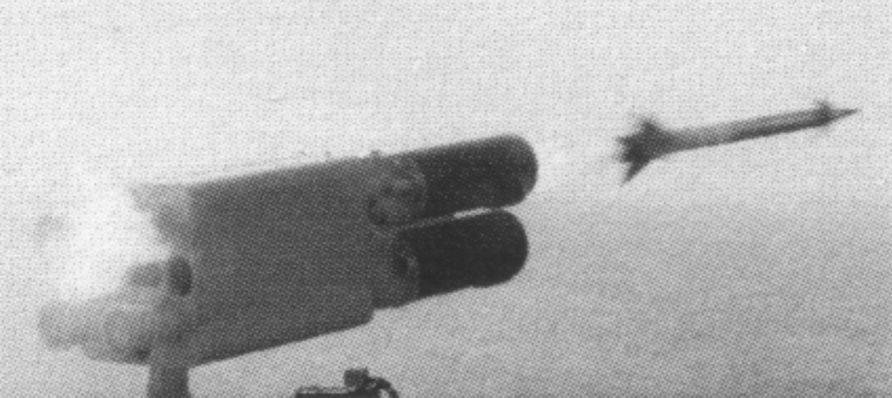
A number of additional support capabilities were developed for Starburst with the Short Joint Venture, Thomson Shorts. ASPIC, for lightweight vehicles, and a version for armoured vehicles.
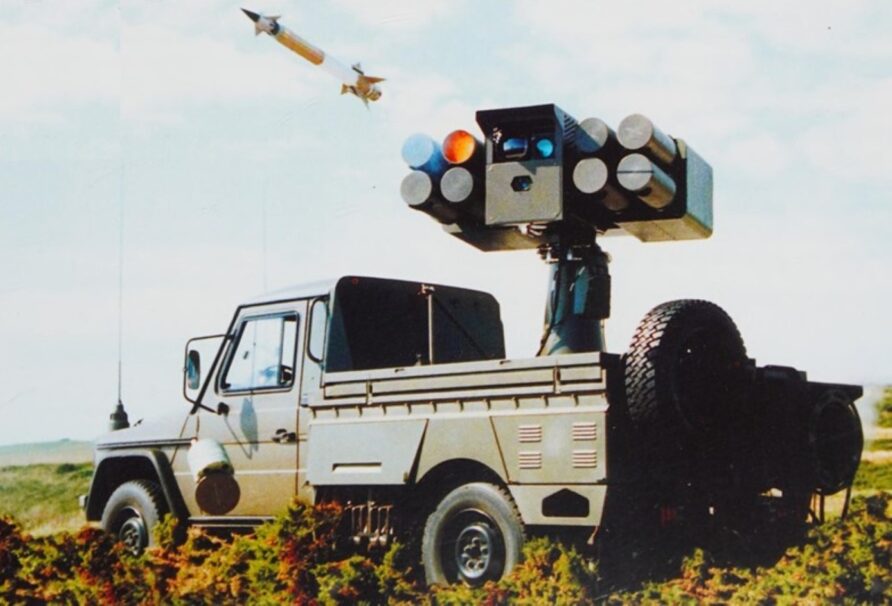
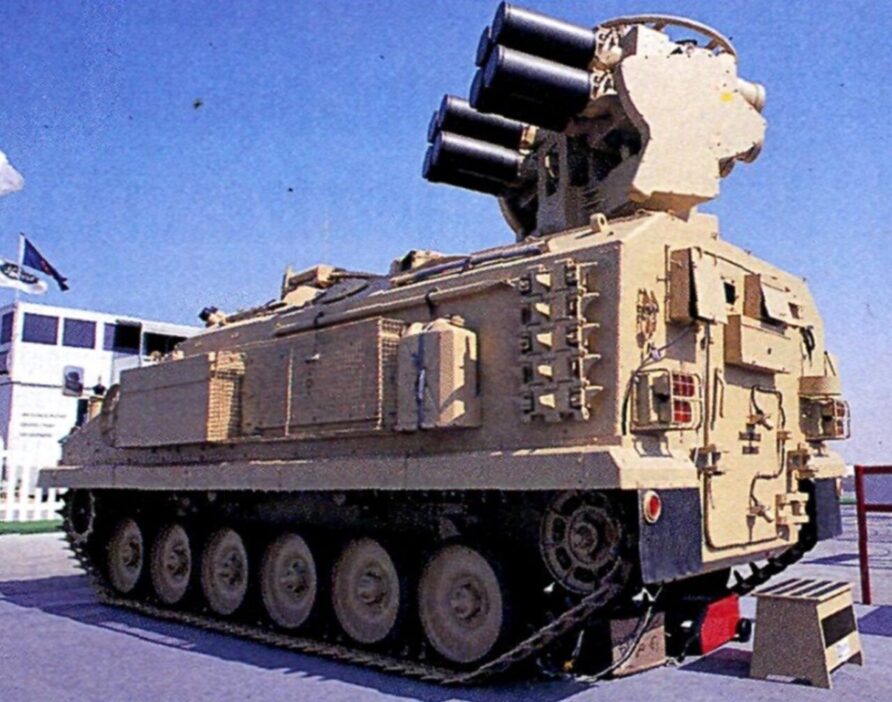
Each Starburst missile had a ten-year shelf life when kept in its sealed launch canister.
The air defence role of Starburst was eventually taken over by Starstreak High-Velocity Missile (HVM) which was developed in parallel with Starburst.
Much of the launch equipment and ancillaries are common to both Starburst and Starstreak, deliberately so.


