
 Doc Summary

The Fire Shadow loitering munition was developed in the UK but did not enter service.
Fire Shadow provides a precision capability to engage high value targets in complex scenarios. Surface launched, the munitions have a range of ~100 km and can conduct a direct transit to target or be positioned to loiter in the airspace for a significant time (~ 6 hours). A Man-In-The-Loop decision then enables a precise and rapid attack against a selected target.
I have included it in the complex weapons series for completeness.
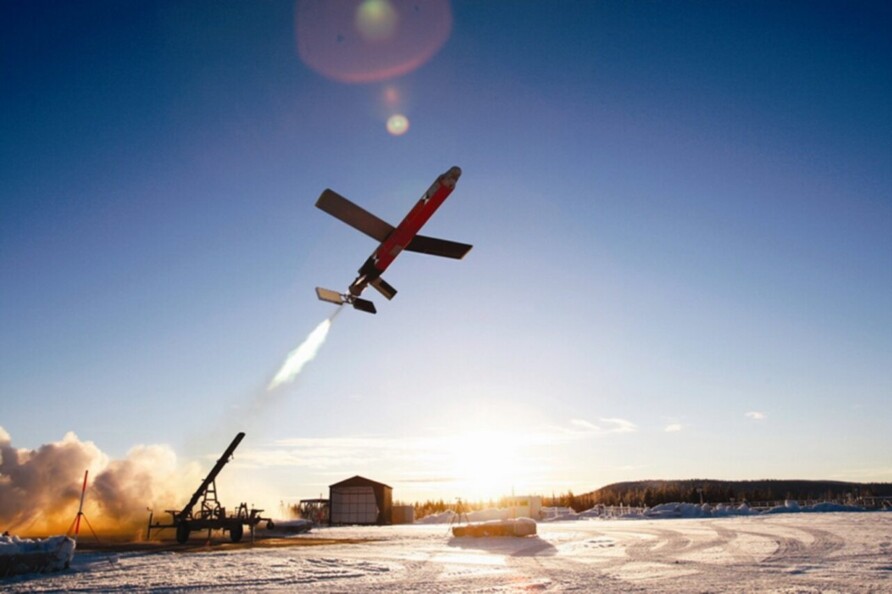
Fire Shadow Loitering Munition History #
Loitering munitions are not a new concept, the IAI Harpy system was designed for the counter-air defence role, and its loitering capability allowed it to have utility against the simple anti-radiation missile counter of switching the radar off.
The MoD Loitering Munition Capability Demonstration (LMCD) Assessment surfaced in 2005 and attracted several bidders as part of the emergent Indirect Fire Precision Attack (IFPA) project.
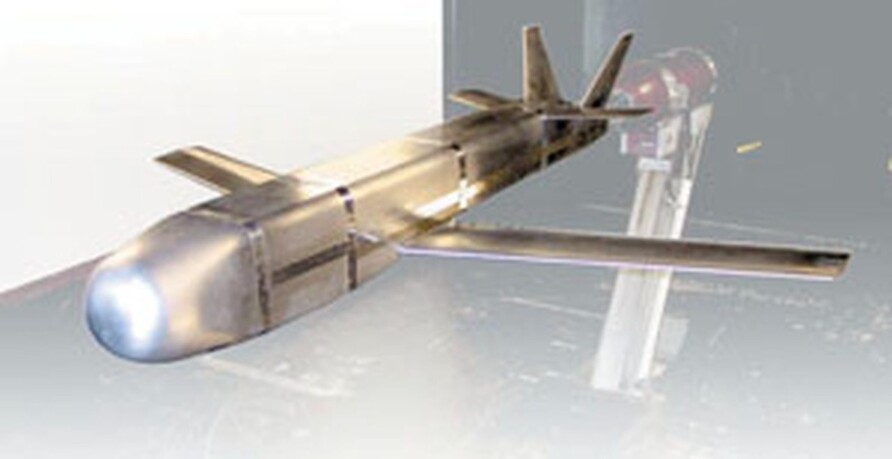
Thales and Rheinmetall offered a variant of the TAIFUN UAV called Tactical Advanced Reconnaissance Strike System (TARES).
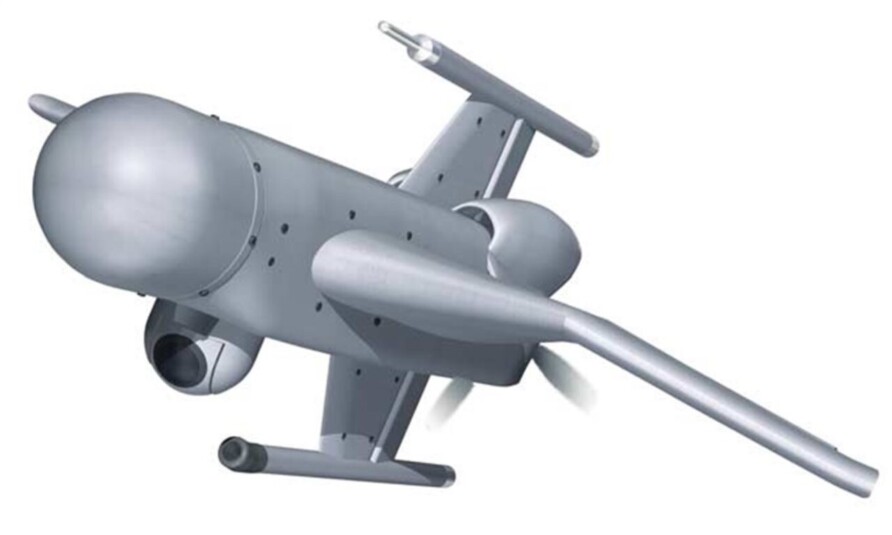
The TARES had a loiter time of 4 hours and a maximum range of 200 km.
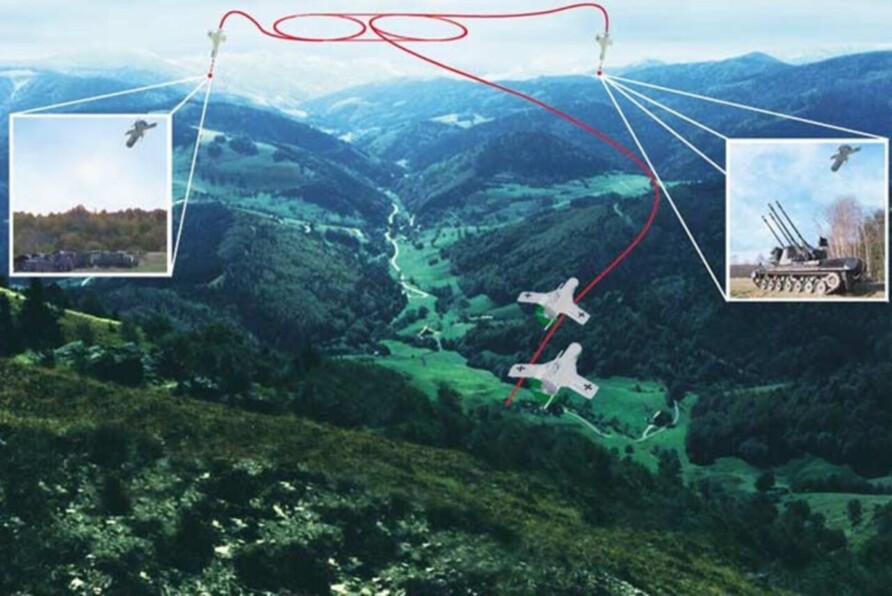
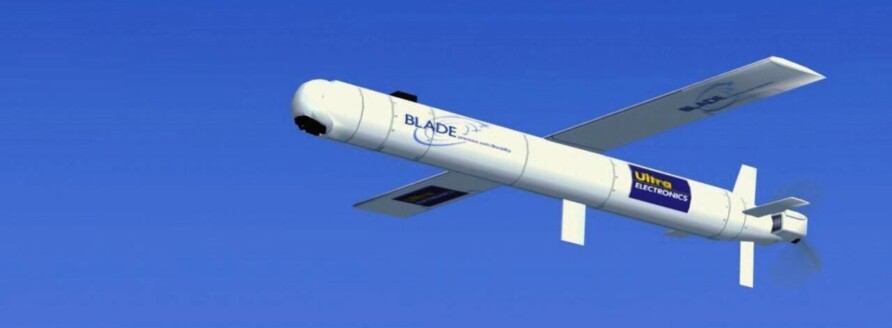
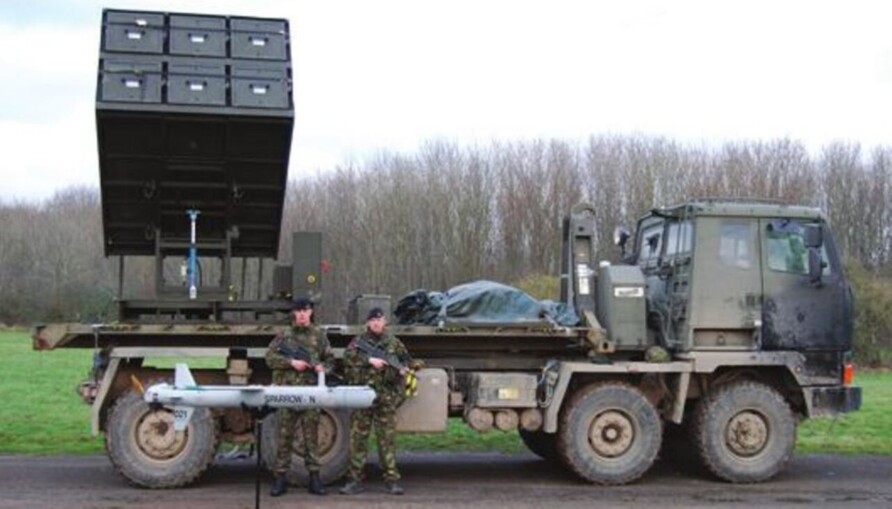
The BLADE (Battlefield Loitering Artillery Direct Effect) was an Ultra Electronics offering, although this was based on the Israeli Sparrow-N UAV from UVision and the BLADE team included BAE, Lockheed Martin, Praxis and Raytheon.
Also in 2005, the MoD awarded an £8.4m contract to Systems Development to develop a loitering munition demonstrator. Systems Development then partnered with Blue Bear Research to produce several scale models and make use of the SNAP Autopilot system and other BRR capabilities.
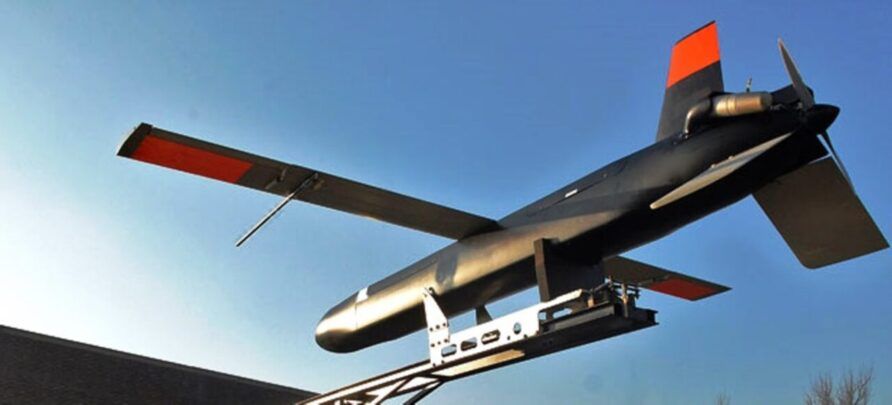
In 2007, MBDA announced the contract award to develop Fire Shadow.
Team LM, led by MBDA, is unveiling its Fire Shadow Weapon System at the DSEI exhibition in London this week. The weapon system is being presented as a solution for the UK ground forces’ requirement for a low cost, all-weather, 24 hour capability to carry out precision attacks against surface targets which may be difficult to engage and time sensitive.
Team LM is a “best in class” mix of traditional complex weapons suppliers, non- traditional complex weapons defence companies, SMEs (Small and Medium size Enterprises) as well as academia. With MBDA at its head, Team LM comprises Blue Bear Systems Research, Cranfield Aerospace, Cranfield University, Lockheed Martin UK INSYS, Marshalls SV, Meggitt, QinetiQ, Roxel, Selex SAS, Thales UK, Ultra Electronics and VEGA.
Fire Shadow will meet the UK’s requirement for a weapon system with an operating range of more than 150km and sub-metric precision (a CEP or Circular Error of Probability of less than 1 metre). To meet complex rules of engagement, Fire Shadow also features MITL (Man In The Loop) operation so that the weapon always remains under the control of an operator who can divert the weapon at the last moment should, for example, non-combatants suddenly appear near the intended target.
Following Fire Shadow’s launch over the battle zone, the weapon will be able to receive real-time target information from a range of sources in a potentially network or info-centric enabled environment. These sources could be from ISTAR (Intelligence, Surveillance, Target Acquisition and Reconnaissance) aircraft or from surveillance UAVs (Unmanned Air Vehicles) such as the UK’s Watchkeeper when it enters service or even from an operator on the ground. Fire Shadow will feature high operational flexibility and be effective in complex battle scenarios such as urban environments. The cost per munition for Fire Shadow will be kept to around that of current generation guided rockets. However, unlike guided rockets, Fire Shadow will be able to loiter for around 10 hours over the battle zone, waiting for the enemy to appear.
Fire Shadow formed part of the Indirect Fire Precision Attack (IFPA) programme Phase 1, and was launched formally at the Farnborough Air Show in 2008.
Initial image showing forward swept wing configuration.
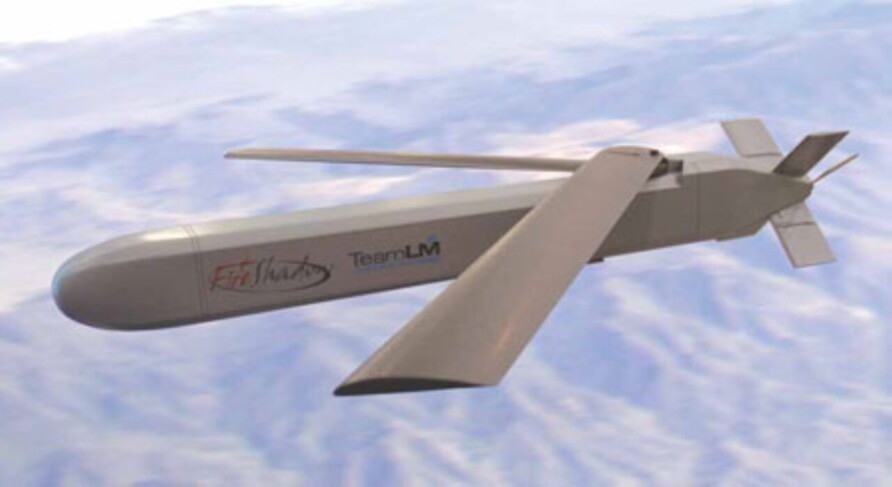
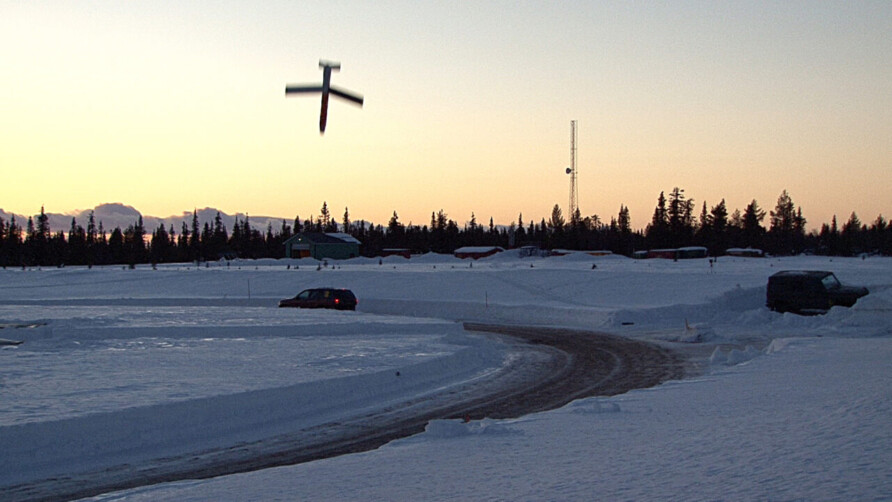
The first flight was in 2008.
By 2009, the configuration had changed as a result of flight trials, with a more square cross-section and a shorter and straight wing.
Several test flights took place in Sweden in 2011, MBDA commenting…
Fire Shadow will meet the UK’s requirement for a weapon system with an operating range of more than 150km and sub-metric precision (a CEP or Circular Error of Probability of less than 1 metre). To meet complex rules of engagement, Fire Shadow also features MITL (Man In The Loop) operation so that the weapon always remains under the control of an operator who can divert the weapon at the last moment should, for example, non-combatants suddenly appear near the intended target.
Following Fire Shadow’s launch over the battle zone, the weapon will be able to receive real-time target information from a range of sources in a potentially network or info-centric enabled environment. These sources could be from ISTAR (Intelligence, Surveillance, Target Acquisition and Reconnaissance) aircraft or from surveillance UAVs (Unmanned Air Vehicles) such as the UK’s Watchkeeper when it enters service or even from an operator on the ground.
Fire Shadow will feature high operational flexibility and be effective in complex battle scenarios such as urban environments. The cost per munition for Fire Shadow will be kept to around that of current generation guided rockets.
However, unlike guided rockets, Fire Shadow will be able to loiter for around 10 hours over the battle zone, waiting for the enemy to appear.
Video
The project was described;
The project will deliver 25 safe and useful munitions in March 2012 (50%). These will form a start-up capability for current operations.
These were demonstrated in June 2012 and while the success rate was lower than desired, performance of the hardware met the Loitering Munition key performance measures.
Reason for change: The Senior Responsible Owner took a decision not to deploy the weapon for testing in Afghanistan as the capability was not sufficiently mature. It could therefore not meet its In-Service Date for use in Afghanistan so it has been re-defined
Full Operating Capability requirement under revision as part of wider Indirect Fire Precision Attack Programme. The incremental approach has delivered an End- to- End Capability Demonstration which was successful in yielding information and understanding that will be used to inform Departmental planning on the way forward, not just in relation to Loitering Munition, but the whole Indirect Fire Precision Attack Project.
A Parliamentary Answer in 2011 detailed the progress
The fire shadow loitering munition project is the current focus of the Indirect Fire Precision Attack (IFPA) programme. The project is progressing well through the demonstration and manufacture phase and is on track to deliver a deployable capability in 2012. We already know that there is interest in this capability from other nations and we are pursuing export opportunities as part of the wider complex weapons initiative in support of driving down future costs.
The wider IFPA programme is in the assessment phase; this will establish the type and numbers of munitions required and the associated costs. The broad cost of the first phase of the fire shadow loitering munition programme, including concept, assessment, demonstration and initial manufacture, is forecast to be some £200 million.
Information relating to future fire shadow loitering munition stock levels is being withheld for the purpose of safeguarding national security and because its disclosure would, or would be likely to, prejudice the capability, effectiveness or security of the armed forces.
The first deliveries of Fire Shadow to the British Army took place in 2012, with a series of additional flight trials in the same year.
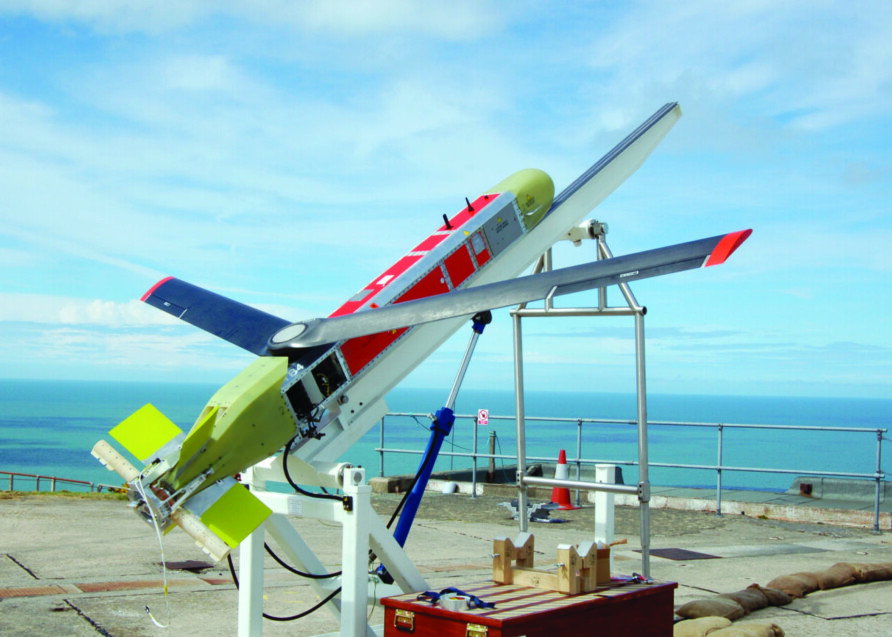
In 2013, news emerged of delays, reportedly due to the concept of employment issues.
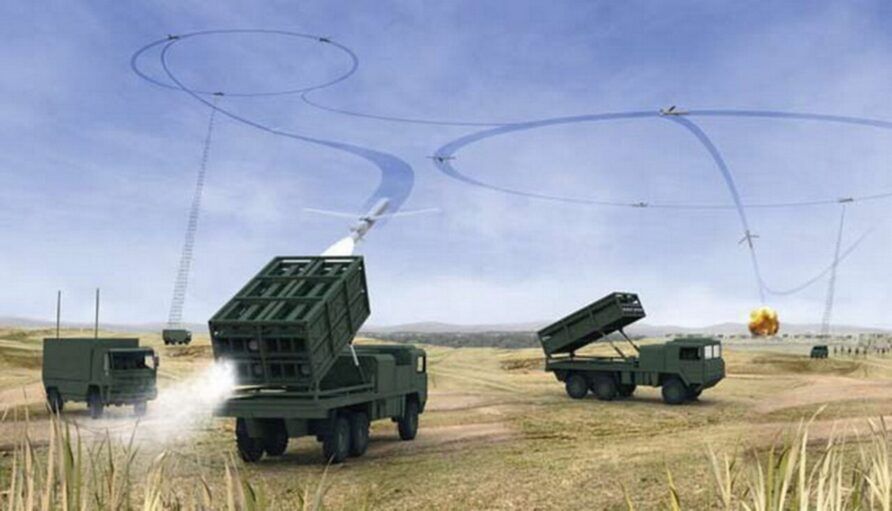
Several images showing different vehicle carriage concepts were released

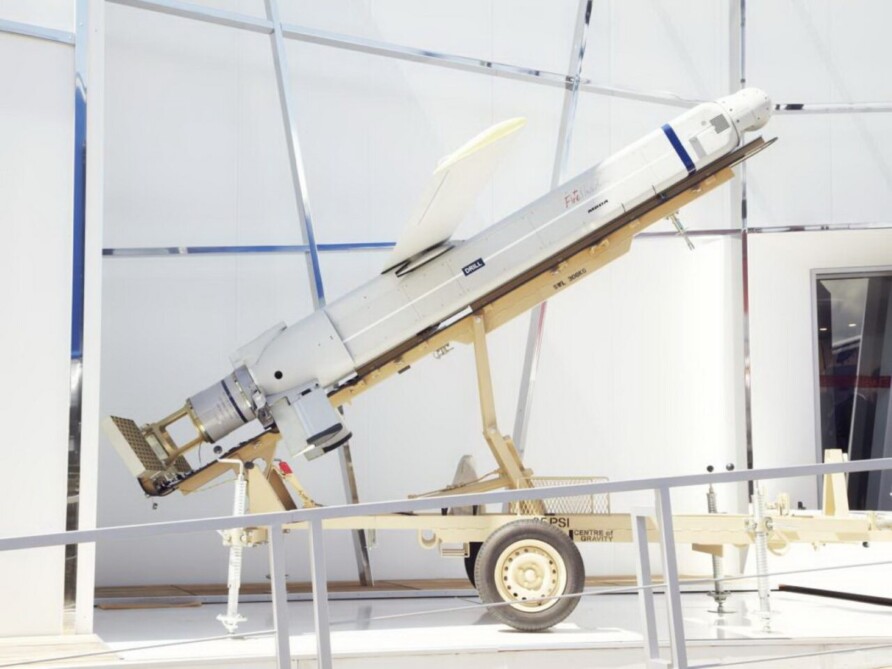
And another with a trailer
Fire Shadow was cancelled in 2018
A project to equip the British Army with a loitering munition weapon system has been formally cancelled by the UK Ministry of Defence (MoD). The Fire Shadow system was written off at a loss of GBP95.494 million (USD125.5 million), according to the ministry’s 2017-18 annual accounts, which were published on 20 July. The effort to build the Fire Shadow was part of the army’s ill-fated Indirect Fire Precision Attack (IFPA) programme and was intended to provide land component commanders with a man-in-the-loop precision system capable of striking moving targets out to 50 km and re-tasking the weapon in flight. A small number of launchers and rounds were purchased and test-fired in 2012 but the system never formally entered service as part of a cost-saving drive.
Fire Shadow would have been an interesting weapon for naval use.
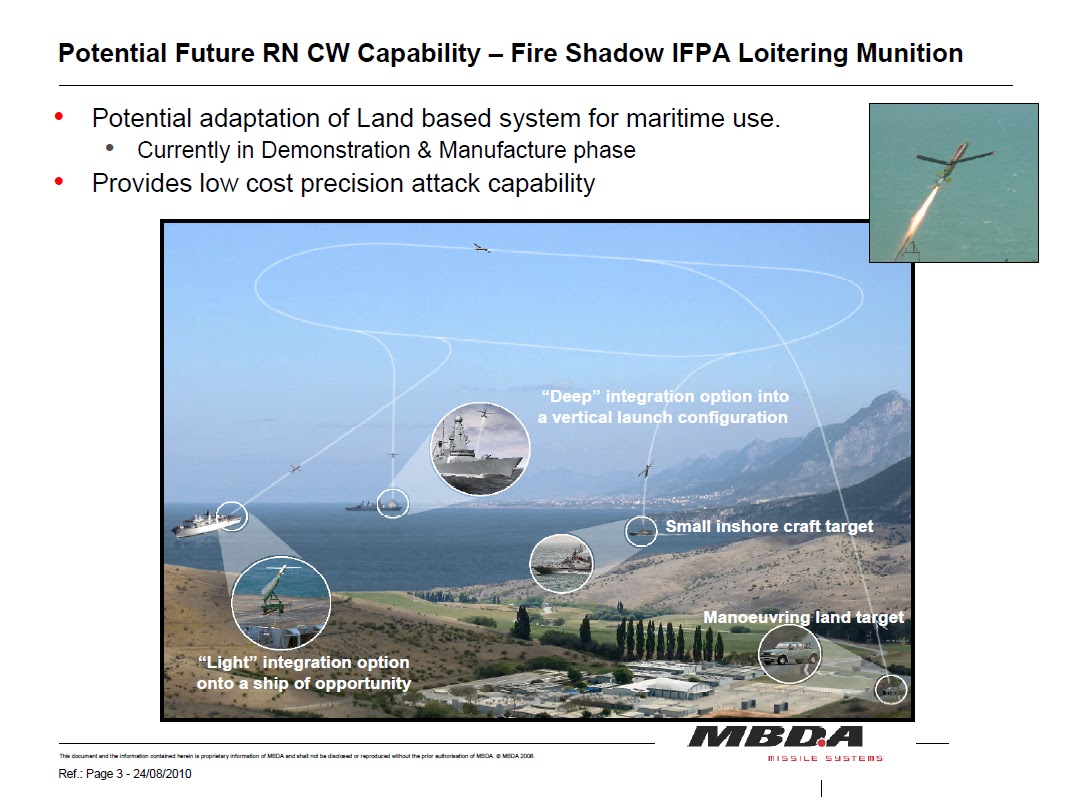
But it was not to be.
If you found value in this article, help me keep Think Defence going
Think Defence is a hobby, a serious hobby, but a hobby nonetheless. I have removed those annoying adverts, but hosting fees, software subscriptions and other services add up.
To help me keep the show on the road, I ask that you support the site in any way you can. It is hugely appreciated.
You can click on an affiliate link, Buy Me a Coffee at https://ko-fi.com/thinkdefence, download an e-book at https://payhip.com/thinkdefence or even get some TD merch at https://www.redbubble.com/people/source360/
Youtubers, if you are going to lift content from here, the decent thing to do would credit me
Read more (Affiliate Link)


