The Combat Vehicle Reconnaissance (Wheeled), or CVR(W), family comprised a series of lightweight 4×4 armoured vehicles developed and produced in the 1960s and 1970s primarily for reconnaissance roles within the British Army.
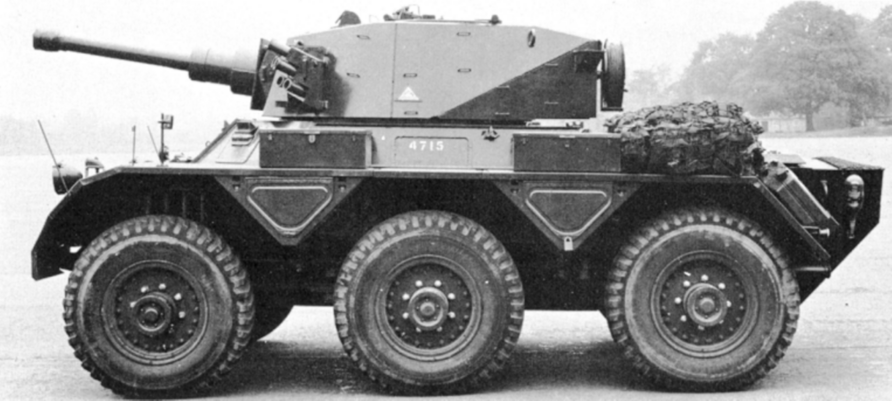
The primary and most produced model was the FV721 Fox, a fast, air-portable scout car designed to replace ageing postwar vehicles such as the Daimler Ferret (over 4,400 built, 1952–1971) and Alvis Saladin (1,177 built, 1958–1972).
Fox emphasised excellent road mobility, air transportability (up to three in a C-130 Hercules), and sufficient firepower from a 30 mm RARDEN cannon to engage light vehicles, while sharing components (notably the Jaguar petrol engine) with the tracked CVR(T) family (e.g., Scorpion and Scimitar) for logistical efficiency.
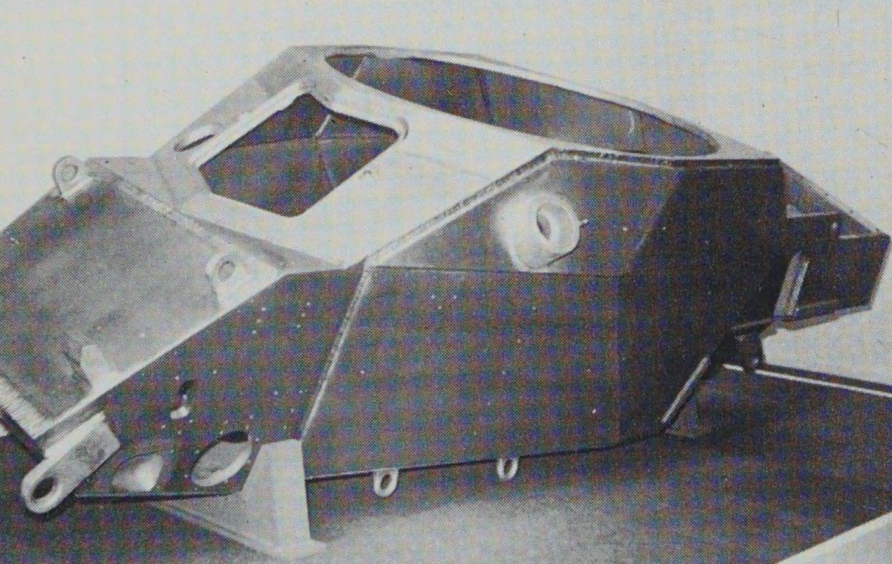
Constructed of all-welded aluminium armour for weight saving, it prioritised speed and deployability over heavy protection.
Despite these attributes, persistent mechanical reliability issues, including engine overheating, gearbox failures, and a propensity for rollovers due to its high centre of gravity, contributed to a relatively short service life in British use.
Production was limited to approximately 325 vehicles, and while a broader CVR(W) family was envisioned, only the Fox saw full-scale manufacture.
Historical Context and Development Origins (1960s)
Post-Second World War reconnaissance requirements evolved from vehicles like the Daimler Dingo and Ferret, and Alvis Saladin for Cold War requirements.
By the early 1960s, these were considered obsolete against potential Warsaw Pact forces and a number of connected (and some unconnected) studies eventually coalesced in 1964 until there were two vehicle requirements;
- Combat Vehicle Reconnaissance (Tracked) — CVR(T), General Staff Requirement 3301
- Combat Vehicle Wheeled (Wheeled) — CVR(W), General Staff Requirement 3358
The CVR(W), given the designation FV720 series, focused on medium/close reconnaissance, battlefield surveillance, limited anti-armour support, internal security, liaison, and CBRN roles—particularly for airborne and rapid-reaction forces.
The Fighting Vehicles Research and Development Establishment (FVRDE) conducted research on designs that built upon the Saladin and Ferret Mark IV concepts. In September 1965, it proposed two upgraded Ferret variants to the army to meet GSR 2258: the Ferret Mark V, an all-steel vehicle featuring a one-man turret, and the more innovative Ferret Mark VI, with an aluminium hull and a two-man turret.
The Mark VI design was selected to fulfill the CVR(W) requirement and was further developed into the Fox armoured car.
Development prioritised a 4×4 configuration, sharing the same Jaguar 4.2L petrol engine and 30 mm RARDEN cannon as found in CVR(T), although alternatives were considered.
Fox was developed further by the Jaguar owned Daimler under a separate development contract and by 1967, the first prototype was delivered
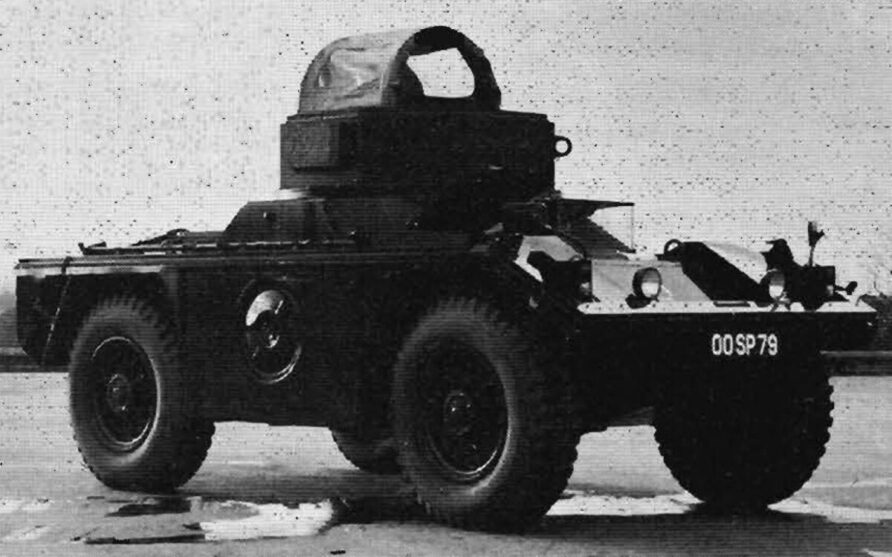
Fifteen prototypes (FV720 series) were constructed from November 1967 to April 1968.
By the end of 1968, all prototype vehicles had been delivered and were involved with user acceptance trials.
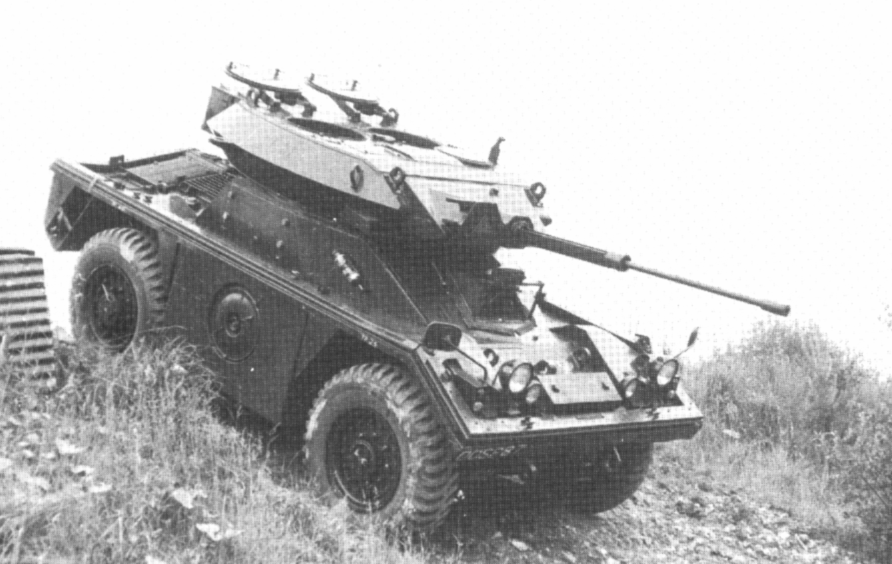
Prototype Number 9 has been restored at the Eden Camp.
User trials (1968–1969) assessed mobility, armament, and air portability, including semi-amphibious flotation (later often removed due to poor performance).
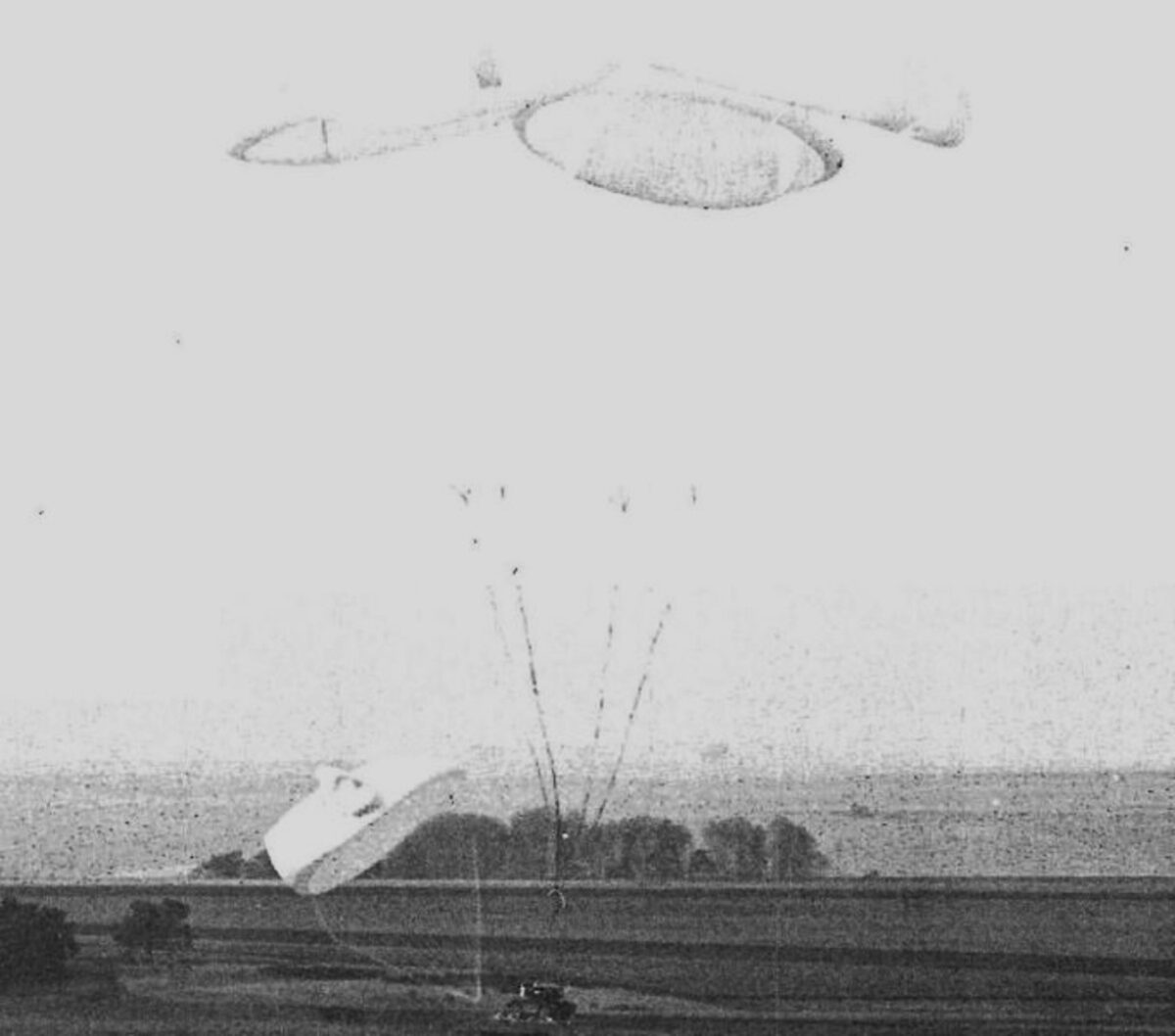
Although it is a poor-quality image below, it shows air despatch trials for CVR(W) Fox, like Ferret, air mobility was very much an important consideration.
Air despatch with the Fox is also shown in the video below
Initial programme costs were approximately £2.6 million (equivalent to ~£48 million inflation-adjusted).
Alongside, another requirement (GSR 3340) defined a more lightly armed vehicle that would be focussed on liaison duties, replacing the Ferret. This was also based on the Fox, although without the large turret, allowing an extra seat and more space for radio equipment.
This vehicle would go on to be called the Combat Vehicle Liaison Wheeled (CVL(W)) FV722 Vixen, although it did not enter service.
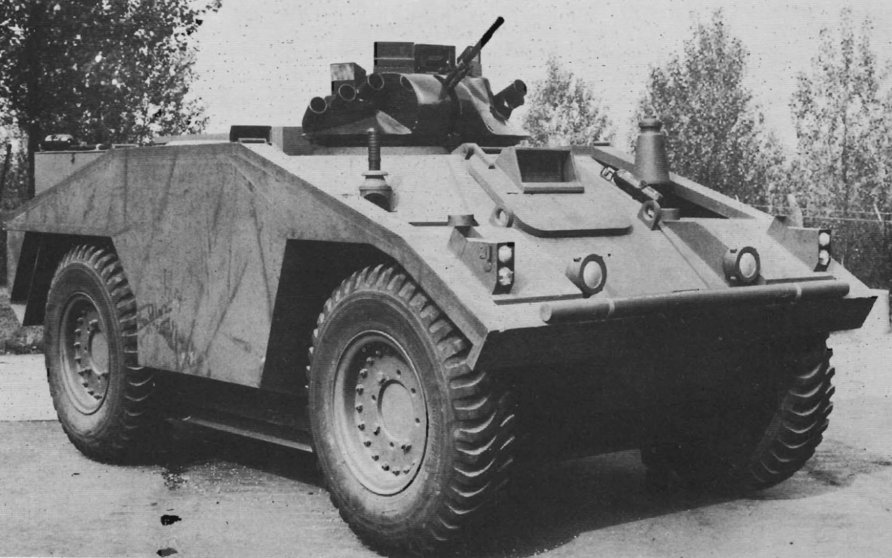
Fox was publicly announced in October 1969 and accepted for service in 1970.
Production and Use (1970s–1990s)
The production contract went out to tender in 1970.
By this point, Alvis, Daimler, and Jaguar had all been incorporated into the British Leyland group, meaning a substantial portion of the vehicle’s components would inevitably come from within the same conglomerate, particularly since Alvis was responsible for producing the turret.
Daimler, with its extensive expertise in wheeled armoured fighting vehicles, submitted a bid.
The Royal Ordnance Factory at Leeds also tendered and offered a lower price than Daimler.
Although the ROF Leeds lacked experience with either aluminium armour or wheeled vehicles, its overhead costs were subsidised by ongoing Chieftain tank production, allowing it to secure the contract.
This decision effectively ended Daimler’s involvement in armoured vehicle manufacturing and delayed the Fox’s production by at least two years as the ROF resolved its technical challenges.
Daimler ceased armoured vehicle manufacture in 1971.
Full production commenced in 1972 at ROF Leeds, with the first vehicle completed in May 1973.

Total output: was circa 325 (180–200 for the UK, and 145 exported).
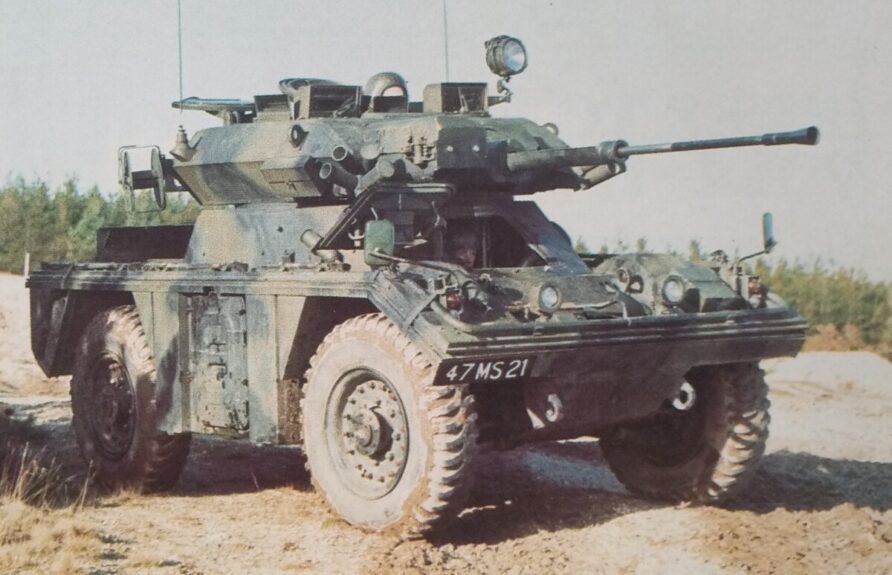
The Fox entered service in 1975 with B Squadron, 1st Royal Tank Regiment at Tidworth.
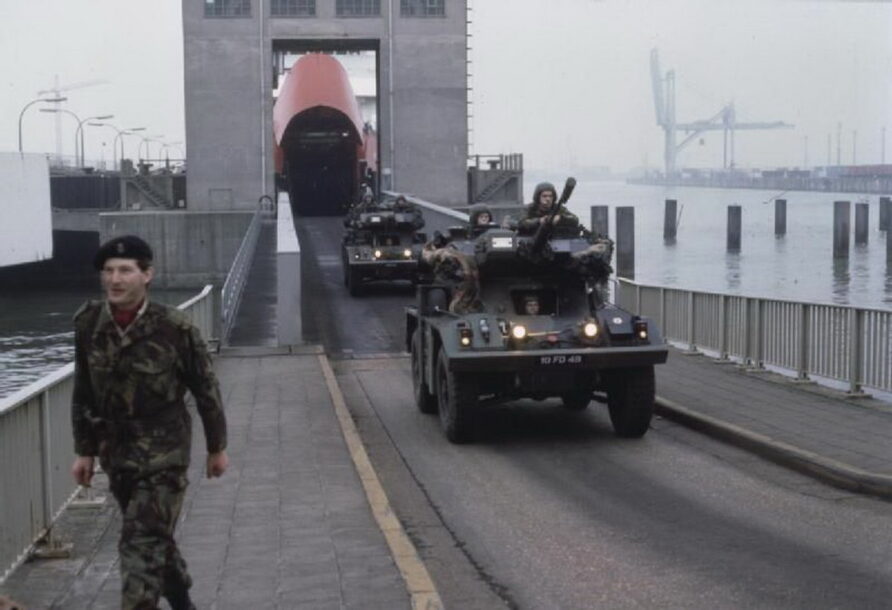
Fox equipped reconnaissance regiments in the British Army of the Rhine (BAOR), and Territorial Army units in the UK, the Royal Yeomanry and Queen’s Own Yeomanry, plus small numbers in air-mobile, armoured, and mechanised infantry battalions.
Typical squadron organisation: four troops (each with four Foxes) plus support.
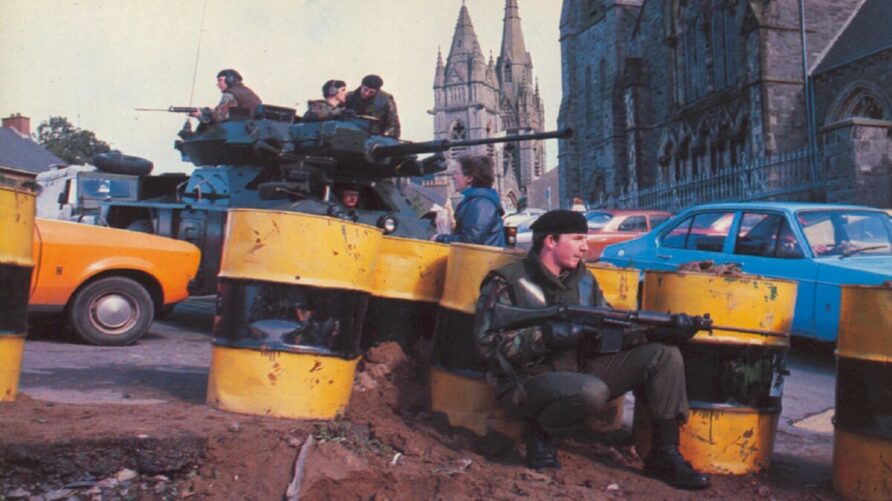
Fox also equipped was used in the medium reconnaissance role by the two Fox squadrons based at Omagh in Northern Ireland
In the early years of the Fox’s service, several serious accidents raised concerns about its stability, primarily due to the vehicle’s apparent top-heavy design. Testing revealed that, under specific conditions, the Fox tended to oversteer, and drivers’ natural instinctive responses often exacerbated the problem.
The introduction of specialised driver training reduced the risk of oversteer occurring, and as a result, the high accident rate seen in its initial service period was reduced.
Vickers Defence Systems acquired ROF Leeds in 1986, production rights for Fox included.
Production of Fox concluded in the mid-1980s.
In 1995, 136 Scorpion vehicles were modified by replacing the 76 mm gun turret with surplus Fox turrets, which had the same 30 mm gun as the Scimitar, this version being called the Sabre. 13 Fox turrets were also fitted to Berlin Brigade FV432’s in the mid-seventies.
Fox was completely withdrawn by the British Army by 1994.
A small number are thought to remain in limited service with Malawi and Nigeria.
Design Details and Capabilities
Wheel and tyre size, track and wheelbase dimensions are identical to those of Ferret Mk 4, the ‘Big-Wheeled Ferret’
The driver is central in a forward compartment, and the gunner and vehicle commander/loader are accommodated in the turret.
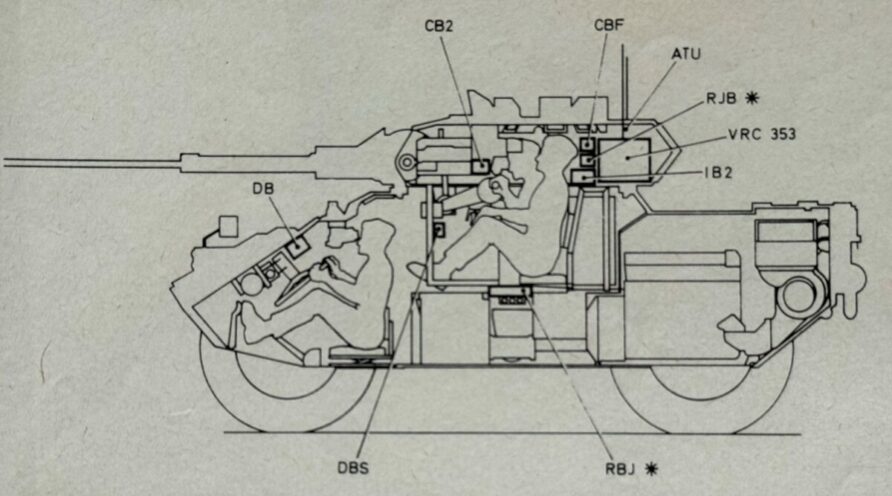
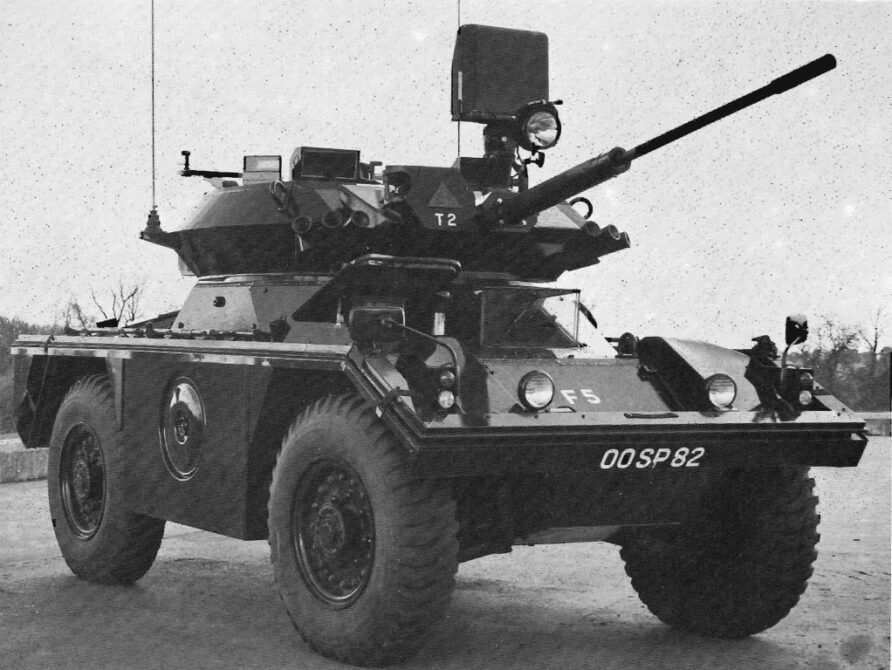
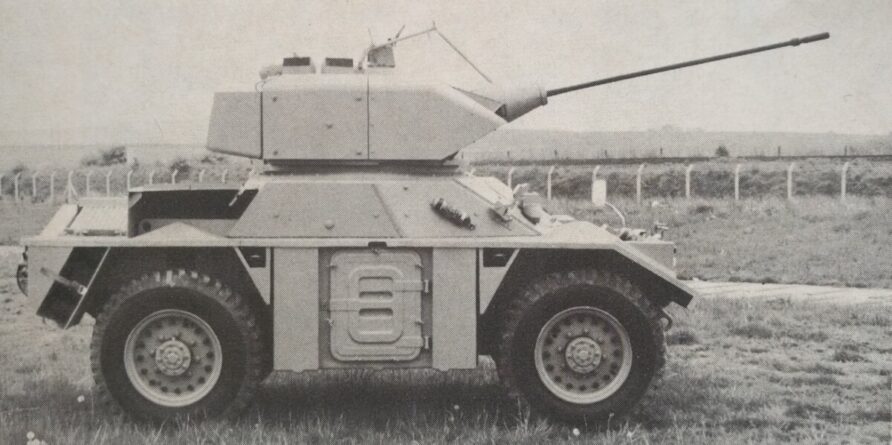
CVR(W) Fox had a 5.08 m length, 2.13 m width, and 2.2 m height.
Combat weight was 6.75–7.4 tonnes.
Automotive
CVR(W) Fox was fitted with a Jaguar J60 XK 4.2 L inline-six petrol engine (190 hp, derated to 160 hp).
David Brown pre-selector epicyclic gearbox (five forward/reverse gears with fluid coupling).

Top speed was stated at 104 km/h and operational range, 434 km (145 L fuel)
It had independent wishbone/coil-spring suspension (0.279 m wheel travel) and run-flat tyres.
Vertical obstacle: 0.5 m; trench: 1.2 m.
Ford depth: 1 m unprepared.
Operational temperature range: -40 °C to +50 °C.
Weapons and Equipment
Unstabilised 30 mm L21 RARDEN cannon (manual three-round clip feed; 96–99 rounds stored: APDS-T penetrating ~40 mm at 45° to 1.5 km, HEI-T, practice).
Coaxial 7.62 mm L37A2 or L94A1 machine gun (2,600–4,500 rounds).
SPAV L2A1 passive night sight; periscopic vision blocks; Clansman radios
Protection
The all-welded 7039 aluminium armour offered protection against 7.62 mm small-arms fire (at range), and shell splinters at shorter ranges.
Eight smoke grenade dischargers.
Variants
The earliest Fox variant was Vixen. The design concept was accepted in 1970 and a contract to build prototypes was placed with ROF (Leeds) in 1971.
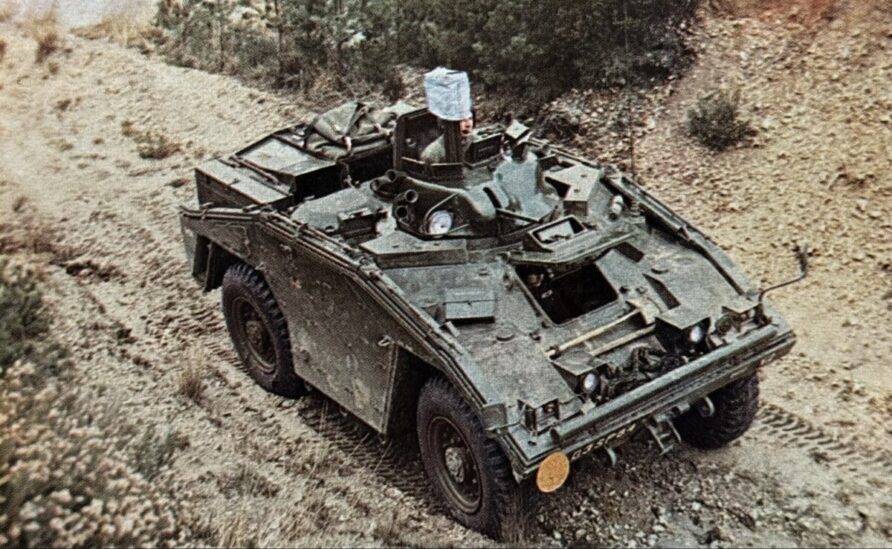
However, it never went into production, and cancelled as part of defence budget cuts in 1974.
Offered to Malaysia for trials in 1980, the Panga variant was fitted with a Peak Engineering turret mounting a single .50in/12.7 mm Browning HMG.
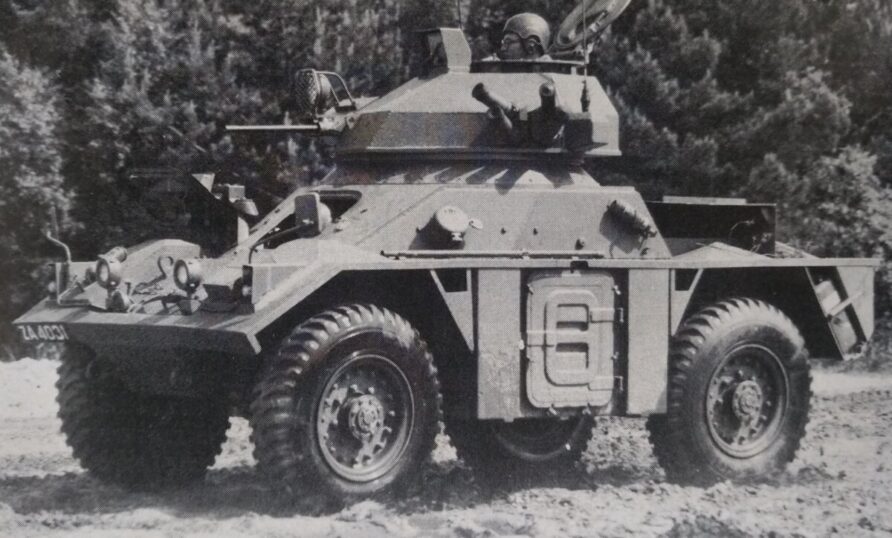
Following trials, it was fitted with a new one-man turret by the Helio Mirror Company. The FVT-800 turret was equipped with a .50in MG and a coaxial 7.62 mm GPMG.
The 25 mm cannon variant was equipped with a one-man United Defense (FMC Corporation) Electric Drive Turret and McDonnell Douglas Helicopters’ 25 mm M242 Chain Gun. The turret was also fitted with a 7.62 mm coaxial machine gun. 250 rounds of 25 mm and 1,000 rounds of 7.62 mm ammunition were carried
Equipped with the Milan anti-tank guided weapon (ATGW), this variant has a two-man crew.
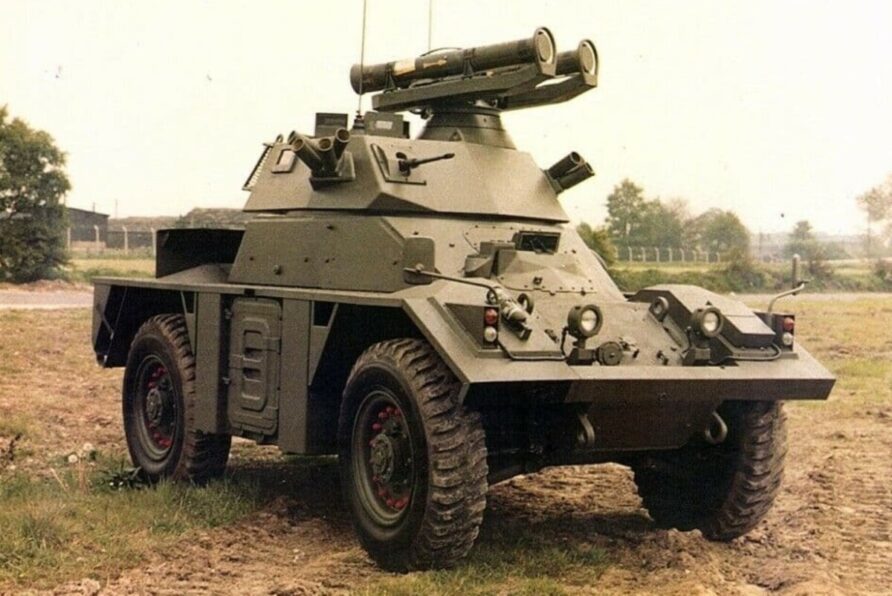
Two missile tubes are mounted on the Milan Compact Turret, and an additional eight missile tubes were carried internally and in stowage bins.
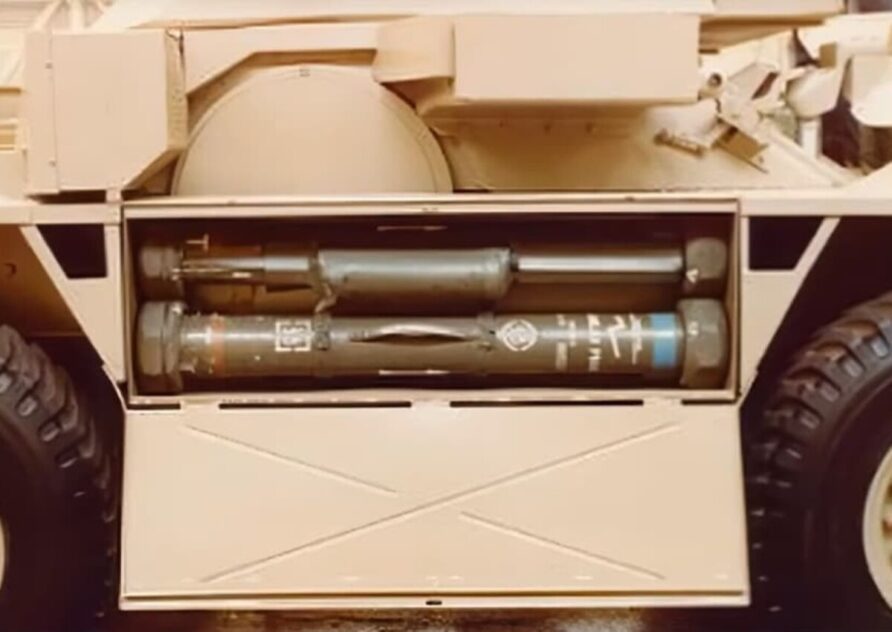
Secondary armament was either a 7.62 mm GPMG or Chain Gun with 2,600 rounds.
The Fox Scout used the same turret and the Milan carrying variant (without the missiles) and a McDonnell Douglas Helicopter’s 7.62 mm Chain Gun. The Chain Gun was available in a long and short barrelled version
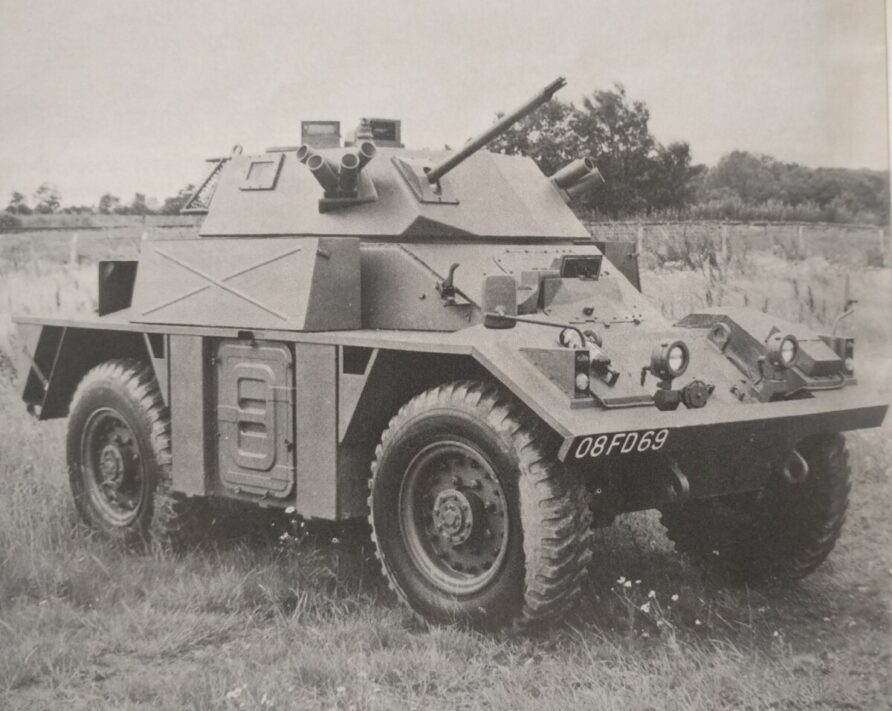
The Polecat/Stoat was a proposed variant for use in Northern Ireland that replaced the RARDEN turret with a Peak Design 7.62 mm turret from the FV432.
The Fox Anti Aircraft (AA) was a one-off anti-aircraft prototype unveiled in 1982, mounted an Oerlikon 20 mm KAA-001 cannon on a standard Fox hull turret. The externally fed gun elevated to +70° for aerial targets up to 6,800 m, firing 900–1,000 rpm at 1,050 m/s muzzle velocity.

Before you go…
Think Defence is a hobby, a serious hobby, but a hobby nonetheless.
I want to avoid charging for content, but hosting fees, software subscriptions and other services add up, so to help me keep the show on the road, I ask that you support the site in any way you can. It is hugely appreciated.
Advertising
You might see Google adverts depending on where you are on the site, please click one if it interests you. I know they can be annoying, but they are the one thing that returns the most.
Make a Donation
Donations can be made at a third-party site called Ko_fi.

Think Defence Merch
Everything from a Brimstone sticker to a Bailey Bridge duvet cover, pop over to the Think Defence Merchandise Store at Red Bubble.

Some might be marked as ‘mature content’ because it is a firearm!
Affiliate Links
Amazon and the occasional product link might appear in the content, you know the drill, I get a small cut if you go on to make a purchase